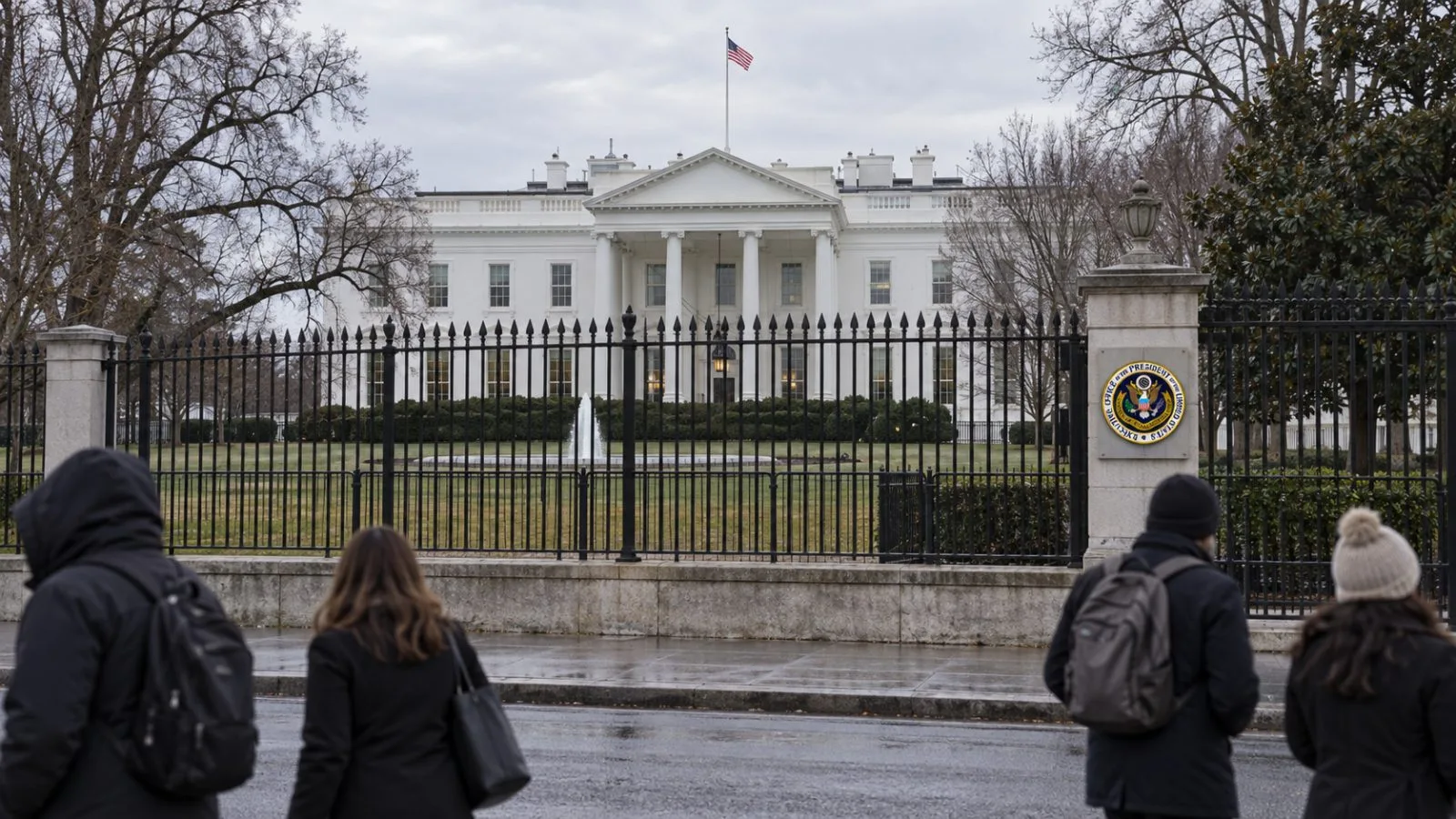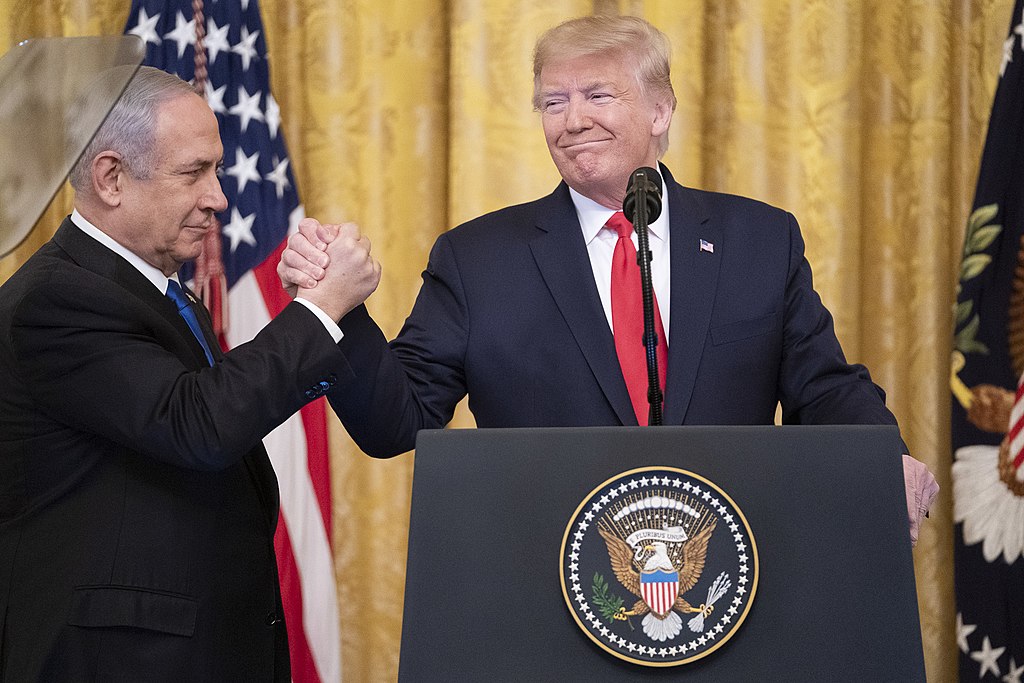
U.S. President Donald Trump announced Monday that Israeli Prime Minister Benjamin Netanyahu has agreed to a U.S.-sponsored peace proposal aimed at ending nearly two years of war in Gaza. The plan, unveiled at a joint White House press conference, calls for an immediate ceasefire, hostage exchanges, a staged Israeli withdrawal, Hamas disarmament, and an international transitional government to oversee Gaza.
Trump stressed that the U.S. would fully support Israel if Hamas rejects the plan, warning the Islamist group against further escalation. The proposal, crafted with the involvement of Trump’s special envoy Steve Witkoff and former adviser Jared Kushner, envisions the release of remaining hostages within 72 hours in exchange for Palestinian prisoners, followed by a phased Israeli pullout.
Netanyahu, standing alongside Trump, declared the plan aligned with Israel’s war goals: securing the return of hostages, dismantling Hamas’ military power, and preventing Gaza from threatening Israel again. However, tensions remain over key issues, including potential Palestinian statehood and the role of the Palestinian Authority, both of which Netanyahu has historically opposed.
Hamas has yet to officially receive the plan but confirmed through mediators in Qatar and Egypt that it would review the proposal "in good faith." Skepticism lingers, as the group has repeatedly rejected disarmament and was absent from direct negotiations.
The plan outlines a technocratic committee to handle Gaza’s daily governance, overseen by an international "board of peace" chaired by Trump and featuring figures like former British Prime Minister Tony Blair. While the Palestinian Authority cautiously welcomed U.S. efforts, Netanyahu faces domestic pressure from far-right ministers who oppose concessions, as well as from hostage families and a war-weary public.
With more than 66,000 Palestinians killed and much of Gaza devastated, the peace initiative represents Trump’s most ambitious diplomatic push since returning to office. Yet, its success hinges on Hamas’ response and Netanyahu’s ability to persuade his coalition to support it.