


 Trump Grants Clemency to Jay-Z Associate Emory Jones
  US Resumes Immigrant Visa Processing for Hungary, Poland
  US Sailor’s Father Detained by Immigration Authorities
  Kioxia Rules Out SK Hynix Manufacturing Partnership
  Cuba Says No US Talks as Blockade Costs Hit $8.1 Billion
  France Targets Shein, Temu With Fast-Fashion Fees
  Guatemala Receives 2,300 Mexicans Deported From US
  US Judge Dismisses Imran Ahmed Deportation Lawsuit
  Australia Defends Social Media Algorithm Law Amid US Concerns
  Australia Plans New Rules Giving Users Control Over Social Media Feeds
  US Tech Giants’ AI Bond Boom Raises Euro Zone Borrowing Risks
  SpaceX Turbine Push Unlikely to Threaten Howmet, Bernstein Says
  Iran Allows Iraqi Oil Tankers Through Strait of Hormuz
  SEC Sues Former Tricolor Executives Over $1.9 Billion Investor Fraud Scheme
  Google Changes EU Spam Policy Amid Antitrust Scrutiny
  Japan, US Target AI and Chips in $550 Billion Investment Push
  Iran Threatens Gulf Energy Assets as U.S. Tensions Escalate


 Add as a preferred source on Google
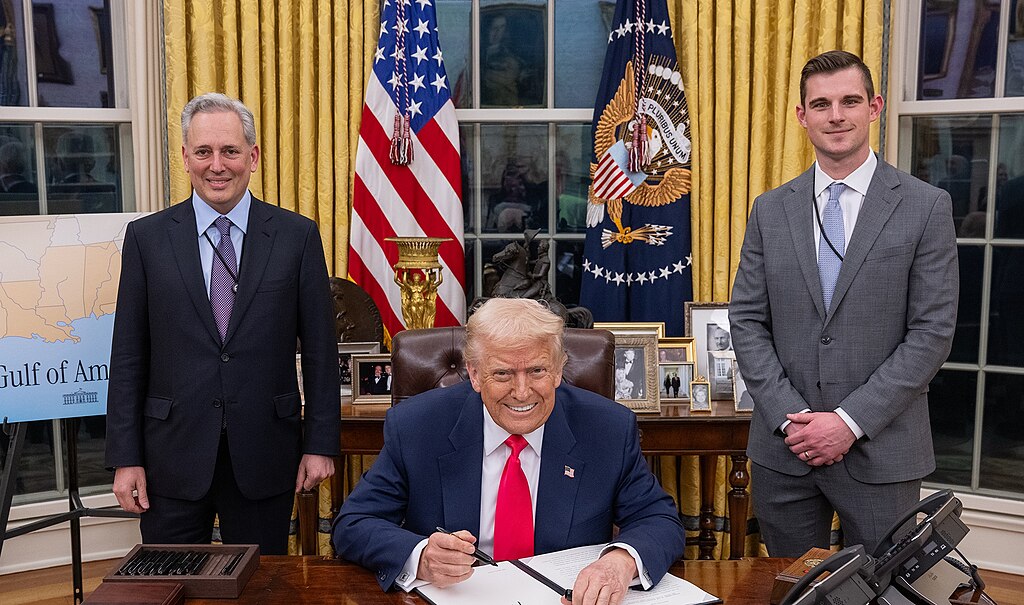
White House AI czar David Sacks warned Tuesday that excessive U.S. regulation on artificial intelligence could hinder innovation and give China a competitive edge. Speaking at the AWS Summit in Washington, Sacks dismissed fears about U.S. AI chips being smuggled to adversaries, noting the hardware’s massive scale. “These aren’t briefcase-sized devices,” he said. “They’re eight-foot server racks weighing two tons—it’s easy to track them.”
Sacks signaled a shift in the Trump administration’s AI policy, emphasizing growth and global market expansion over restrictions. He criticized former President Biden’s AI diffusion rule, which limited U.S. chip exports to certain regions, including the Middle East. “We made diffusion a bad word,” said Sacks. “But sharing our technology should be viewed positively.”
Trump recently rescinded multiple Biden-era AI regulations, including an executive order aimed at consumer protection and competition. These moves, Sacks argued, are necessary to keep the U.S. ahead in a rapidly evolving global AI race. He pointed to state-level bills and permitting issues slowing data center development as threats to progress.
Highlighting the urgency, Sacks referenced China’s rapid advancements in AI, citing the DeepSeek app’s impressive model as evidence of narrowing gaps. “China isn’t years behind,” he said. “It’s more like three to six months. If Huawei chips dominate the market in five years, we’ve lost.”
Sacks also mentioned a new U.S.-UAE plan to build the world’s largest AI campus outside the U.S., reversing Biden’s earlier export curbs to the Gulf. “If we isolate allies, we drive them to China,” he warned.
The White House clarified that while China’s AI models are close in quality, their chip technology still lags behind by one to two years.







