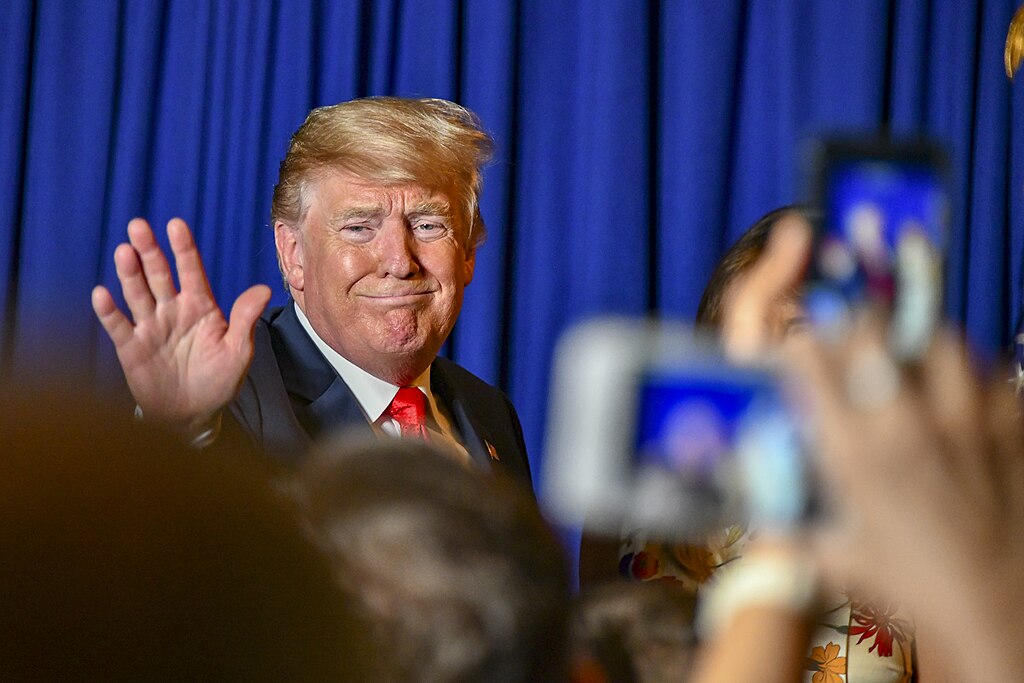
In a fiery post on his Truth Social platform, President-elect Donald Trump accused Democrats of breaking the law over claims that Vice President Kamala Harris’ 2024 presidential campaign paid celebrities, including Beyoncé and Oprah Winfrey, for their endorsements. This accusation has stirred up significant debate, raising questions about the legality of paying for celebrity support in political campaigns.
Trump’s Accusations: A New Battle Over Celebrity Influence in Politics
Trump’s post sparked a wave of controversy as he claimed the Harris campaign paid millions of dollars to secure endorsements from high-profile figures like Beyoncé, Oprah, and Reverend Al Sharpton. He wrote, "Are the Democrats allowed to pay $11,000,000, $2,000,000, and $500,000 to get the ENDORSEMENT of Beyoncé, Oprah, and Reverend Al?" He went on to say, "I don't think so! Beyoncé didn't sing, Oprah didn't do much of anything, and Al is just a third-rate Con Man."
The accusations have been strongly denied by the celebrities involved. Oprah Winfrey, who appeared at Harris' campaign rally in Philadelphia, denied receiving any payment for her endorsement, saying, "Not true. I was paid nothing, ever." Similarly, Beyoncé's representatives dismissed the claims as "beyond ridiculous."
Despite Trump’s claims, it is not illegal for political campaigns to pay for celebrity endorsements. The Federal Election Commission (FEC) clarified that while there are no specific provisions addressing paid endorsements, candidates must disclose such payments as part of campaign finance rules. Therefore, if the Harris campaign had paid for endorsements, those payments would need to be publicly disclosed, as required by federal law.
The Role of Celebrity Endorsements in Modern Campaigns
Celebrity endorsements have become a common tool for politicians looking to reach wider and more diverse audiences. Public figures like Beyoncé and Oprah hold significant sway over their followers, making them valuable assets in a campaign. These endorsements can be particularly beneficial for candidates like Harris, who are looking to connect with younger voters and minority groups.
While endorsements can be helpful, transparency is essential to maintain trust in the electoral process. Paying celebrities for their support is legal, as long as campaigns adhere to federal regulations and disclose any related expenses. Without proper disclosure, the integrity of the electoral process could be called into question.
Public Reaction: Trump’s Claims Spark Division
Twitter users quickly took to the platform to voice their opinions on Trump’s accusations, with reactions ranging from skepticism to support:
- @PoliticalTruth: "Trump’s claims about paid endorsements are just another distraction. Let's focus on actual issues. #ElectionIntegrity"
- @CampaignWatchdog: "If the Harris campaign did pay for these endorsements, they should have disclosed it. #TransparencyMatters"
- @MediaCritic: "Trump loves to stir controversy, but there’s no evidence that these payments are illegal. #FactCheck"
- @ProgressiveVoice: "This is just a diversion. Let’s talk about real political problems instead of celebrity endorsements. #FocusOnTheIssues"
- @ConservativePatriot: "Trump is right. We can’t let celebrities dictate the direction of our politics. #DrainTheSwamp"
- @ElectionReformNow: "I don’t trust these celebrity endorsements without full disclosure. We need more transparency in campaigns. #CampaignFinanceReform"
What’s Next for Harris’ Campaign and Legal Implications
Although Trump’s accusations have sparked widespread attention, it is unlikely that they will have any legal repercussions for the Harris campaign. The allegations may, however, influence public perception, particularly among Trump’s supporters, who have long questioned the fairness of elections. Trump’s claims echo broader frustrations with political transparency and the influence of money in politics.
For now, the Harris campaign maintains that the endorsements were not paid for, and the controversy has yet to produce any concrete evidence to the contrary. As the election cycle progresses, the issue may continue to fuel partisan debates over the role of celebrities in politics and the transparency of campaign finances.