


 US Recalls Nicaragua Envoy After Ambassador Rejection
  IMF Warns US Debt Crisis Needs Fiscal Action, Urges China to Boost Consumption
  US Justice Department Drops Prosecution of Ex-CIA Analyst Sue Mi Terry
  Jordan Bardella Antisemitism Allegations Threaten Le Pen’s Campaign
  Container Ship Sinks in Strait of Hormuz as Iran Attacks Escalate
  FBI Denies Report of Kash Patel’s Russia Visit
  Asian Stocks Fall as Oil Prices Rise Ahead of US CPI Data
  Elon Musk Donates $366 Million to 2026 US Midterms
  UN Urges Talks on Lebanon Peacekeeping Mission Extension
  Asian Stocks Plunge as AI Chip Selloff Hits South Korea and Japan
  Trump Defends Russian Diesel Deal Amid US Sanctions Backlash
  US Condemns China Sanctions on Taiwan Allies Belize and Paraguay
  Wall Street Closes Lower as Bank Earnings and AI Concerns Weigh
  China Warns Taiwan Over South China Sea Coast Guard Incident
  Zelenskiy Seeks New US Talks to Revive Ukraine-Russia Peace Negotiations
  RBA Signals More Rate Hikes as Inflation Risks Rise
  Zelenskiy Says Ukraine Received No Warning Before Russian Missile Attack


 Add as a preferred source on Google
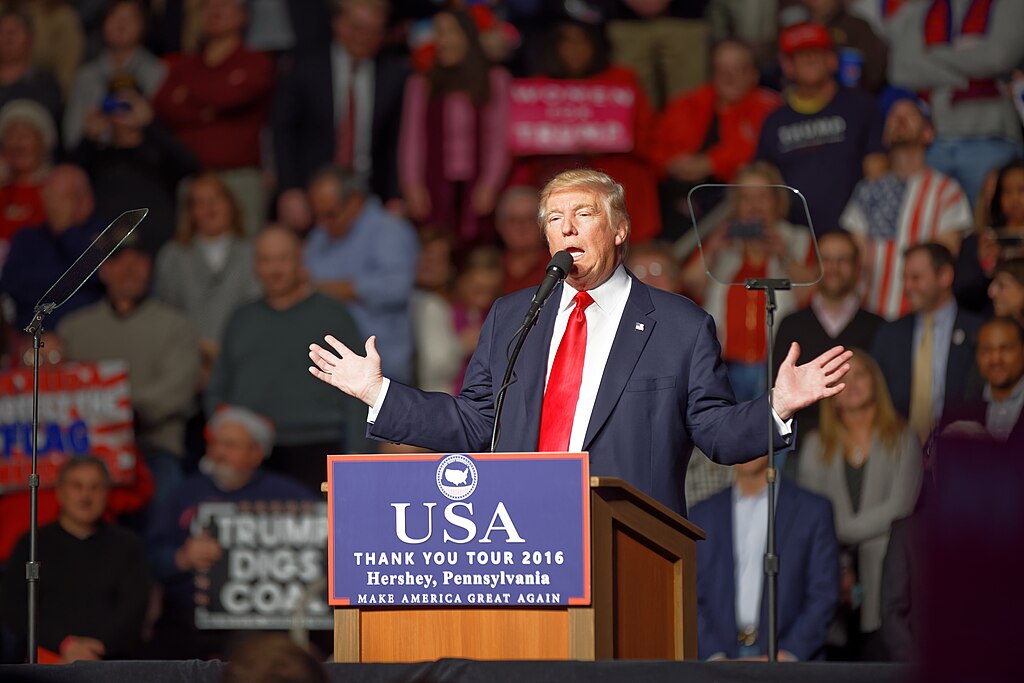
Tensions between the United States and Mexico escalated Tuesday after Mexican President Claudia Sheinbaum signaled her readiness to impose retaliatory tariffs if President-elect Donald Trump follows through on his plan to hike duties on imports from Mexico. Sheinbaum’s warning, issued during a press conference, underscores the growing friction between the two nations as Trump prepares to return to the Oval Office.
"One tariff would be followed by another in response, and so on until we put at risk common businesses," Sheinbaum cautioned. Her remarks suggest Mexico will take a much tougher stance compared to the Trump administration’s previous dealings with Andrés Manuel López Obrador.
Trump’s Proposed Tariffs and Their Economic Impact
Earlier this week, Trump announced plans to implement a sweeping 25 percent tariff on all goods from Mexico and Canada unless the two countries curb the flow of drugs and migrants across borders. He also proposed a 10 percent duty on Chinese imports, building on his campaign promise to impose a 60 percent blanket tariff on Chinese goods and raise tariffs on imports from other trading partners.
Trump maintains that the tariffs will boost American manufacturing without affecting consumer prices. However, economists overwhelmingly disagree, warning that these taxes will ultimately be passed on to American consumers.
"A tariff is a tax paid by the U.S. importer, not a foreign country or the exporter," said Jonathan Gold, vice president of supply chain and customs policy at the National Retail Federation. "This tax ultimately comes out of consumers' pockets through higher prices."
Industries Facing the Greatest Risk
Mexico is currently the largest trading partner of the United States, with the two nations exchanging nearly $798 billion in goods and services in 2023. Experts warn that tariffs could significantly impact seven key industries: auto manufacturing, agriculture, electronics, mineral fuels, plastics, machinery, and aluminum and steel.
Raymond Robertson, director of Texas A&M University's Mosbacher Institute for Trade, Economics, and Public Policy, highlighted the interconnected nature of the U.S. and Mexican markets. "These tariffs on Mexico are a lot like putting tariffs on California. It's not good for our consumers," he told Newsweek.
Small business owners are particularly concerned. Joe Maxwell, a fourth-generation farmer from Missouri, described the potential tariffs as "devastating," noting that American farms already struggling with inflation would face higher costs for fertilizers and other essentials.
Alice Vaughn, CEO of MilkToast Brands, a Las Vegas-based company, warned that layoffs would be unavoidable if the tariffs take effect. "Decades of offshoring have built a global economy that can't be reversed overnight," she explained. "Tariffs would impact domestic manufacturers, too, as they rely on globally sourced materials and equipment."
Netizens Sound Off on the Tariff Debate
- @TradeObserver: “Trump’s tariff war will only make inflation worse. American families will bear the burden.”
- @MAGA_Faithful: “Finally, a president putting America first. These tariffs will strengthen our economy!”
- @EconExpert2024: “Mexico and China won’t pay these tariffs. U.S. consumers are the real losers here.”
- @SmallBizSupport: “Small businesses like mine are terrified. Higher costs mean layoffs and fewer products on shelves.”
- @PolicyWatcher: “A tit-for-tat trade war with Mexico? Sounds like a disaster for both countries.”
- @FarmLifeUSA: “Farmers are already struggling. These tariffs could push many of us out of business.”







