The U.S. economy expanded at a 3.4% annual rate in the third quarter, while inflation reached 3.7% over the year through September as voters prepared to weigh economic conditions in Tuesday’s midterm elections.
Gallup found that 50% of registered voters surveyed Oct. 1-19 viewed the economy as extremely important to their congressional vote; 42% said the same of gas prices. In a Reuters/Ipsos poll conducted Aug. 28-31, 47% selected cost of living as the single most important factor in their midterm vote. A September AP-NORC survey of 2,140 adults found 17% approved of President Donald Trump’s handling of cost of living and 26% approved of his handling of the economy. The poll’s margin of sampling error was 2.9 percentage points.
The Bureau of Economic Analysis (BEA) estimated real gross domestic product (GDP) grew at a 3.4% annual rate from July through September, compared with 2.2% in the second quarter. Investment, consumer spending and government spending contributed to the gain; lower exports partly offset it as imports increased. BEA data show real personal consumption expenditures grew at a 3.8% annual rate.
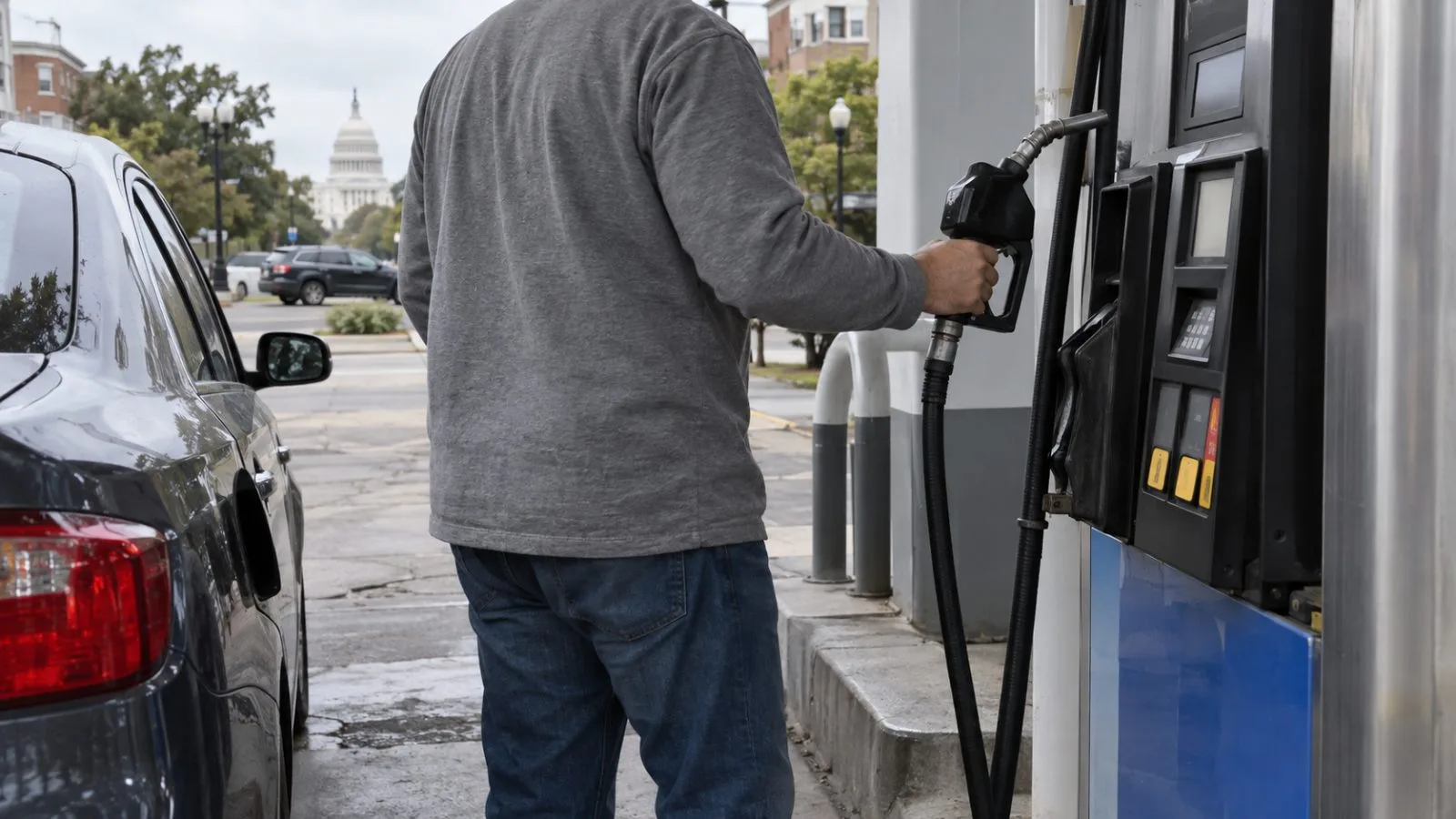
The Bureau of Labor Statistics (BLS) reported the Consumer Price Index (CPI) rose 0.6% in September from August and 3.7% over the 12 months through September. Core CPI, which excludes food and energy, increased 0.3% for the month and 2.6% over the year. The CPI gasoline index climbed 9.1% in September, accounting for more than half of that month’s increase in the overall index. Annual inflation had fallen from 9.1% in June 2022 to 2.3% in April 2025 before rising again; the lower rate meant prices were rising more slowly, not falling overall.
The Conference Board’s Consumer Confidence Index rose 7.5 points to 91.7 in October, from 84.2 in September. The board said confidence remained on a long-term downward trend and consumers planned to reduce spending on services and durable goods over the next six months. Its six-month moving average rose only among consumers younger than 35 and households with incomes of $100,000 or more. Fergus McCormick, a senior economist for Global Indicators at The Conference Board, said consumers “continued to express frustration with rising costs.”
AAA’s national averages on Nov. 1 were $4.1732 per gallon for regular gasoline and $6.3039 for diesel, compared with $3.0380 and $3.6862 a year earlier. Freddie Mac reported a 7.24% average rate for a 30-year fixed mortgage on Oct. 29, up from 6.17% on Oct. 30, 2025. The Federal Reserve raised its target range for the federal funds rate by a quarter percentage point in September, then held it at 3.75%-4.00% on Oct. 28; two members favored another increase at that meeting.
The S&P 500 closed at 7,580.07 on Oct. 30, below its 7,818.93 close on Oct. 6 but about 10.7% above its Dec. 31, 2025, close of 6,845.50. The next scheduled readings are October CPI on Nov. 10 at 8:30 a.m. ET and the second estimate of third-quarter GDP on Nov. 25 at 8:30 a.m. ET. The Federal Reserve’s next meeting is Dec. 8-9.