13 trade unions in the United Kingdom said that the British government is breaching union rights in allowing agency staff to fill in for workers going on strike. The unions said this change made by the country’s conservative government could only worsen industrial disputes and risk public safety.
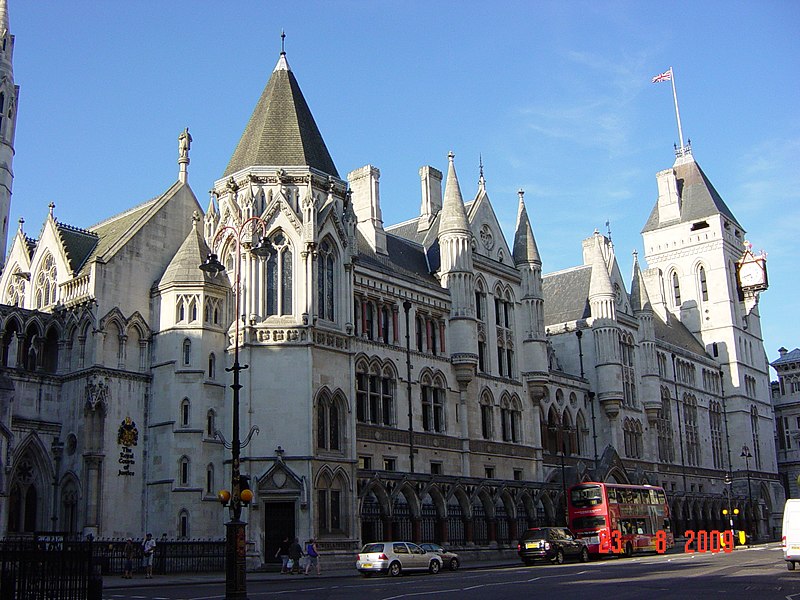
13 British trade unions told London’s High Court on Wednesday that the British government is violating unions' rights in allowing agency staff to cover for workers who are going on strike. The government changed the rules last year to make it easier for businesses to use temporary staff to fill in for its employees who have gone on strike. The business minister at the time, Kwasi Kwarteng, argued that the changes would scrap “burdensome, 1970s-style restrictions” that prevent employment agencies from supplying workers to replace those on strike, which was a criminal offense at the time.
The unions said the change by the government to this rule would only worsen the industrial disputes and risk the public’s safety if agency staff is made to cover safety-critical roles even when they are not trained to do so.
The lawyers of the 13 trade unions said that the government made changes that allowed agency workers to fill in for those on strike without first consulting the unions. The lawyer representing 11 unions, Oliver Segal, said in a court filing that the government instead relied on the 2015 consultation that came before Brexit, the pandemic, and the cost-of-living crisis.
The hearing by the unions before the High Court comes as two unions that represent staff in the National Health Service are planning on taking further strike action while four teaching unions in the UK are considering a coordinated strike.
On Tuesday, over one million NHS staff in the UK will see an increase in pay after trade unions voted to accept the pay offer. The offer covers nurses, paramedics, midwives, and other workers in the UK and includes a one-off payment that equaled two percent of salaries in the 2022-2023 fiscal year with a five percent pay increase in the 2023-2024 fiscal year.
It was accepted by the workers of the largest union, UNISON, and three others. However, two other unions – Unite and the Royal College of Nursing, rejected the offer and planned to take further strikes.