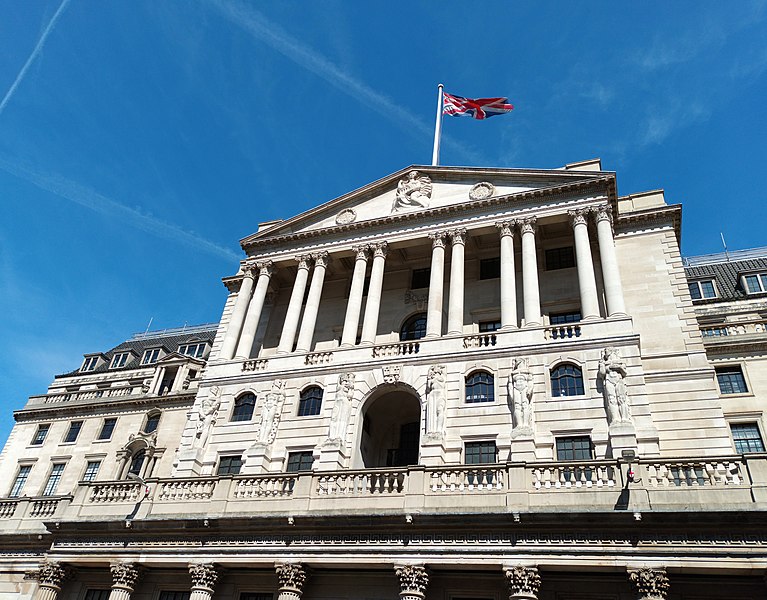
The British government has assured the country’s banking system following the collapse of First Republic Bank. First Republic Bank became the third major bank in the United States to collapse in a span of two months.
On Monday, the British finance ministry said the United Kingdom’s banking system is safe and well-funded following the collapse of the First Republic Bank in the US. The First Republic Bank was the third major bank in the US to collapse in a span of two months. The spokesperson for the British finance ministry said the First Republic Bank is “a matter for US authorities.”
“As the independent Bank of England has confirmed, the UK banking system remains safe, sound, and well-capitalized,” said the spokesperson in an emailed statement.
Meanwhile, the leader of the opposition Labour Party, Keir Starmer, appears likely to scrap out his pledge to provide free university tuition. Starmer cited the economic situation in the country as a reason for the walk-back of such a pledge. The party has pledged to scrap university fees in its campaign during the two previous general elections in 2017 and 2019, with Starmer maintaining the policy after becoming the party’s leader in 2020.
Abolishing the tuition would likely cost the government billions per year. Starmer told BBC Radio that the party will likely “move on from that commitment” as the country is currently in a “different financial situation.”
Scrapping the pledge to abolish tuition fees, which already are at a maximum of over $11,500 annually for British students studying in England, could also cost Starmer his standing to those who lean left in the party. Starmer said the party was looking into possible options for university funding and would make an announcement as soon as an official policy was agreed upon.
“The current system is unfair. It doesn’t really work for students, it doesn’t work for universities. We need a fairer way of doing this,” said Starmer.
Friday last week, four unions representing the country’s teachers said they are going to take coordinated strike action in England later in the year in an effort to increase the pressure on the government in a long-running dispute over pay and working conditions and has already resulted in disruption in schools across the country.