


 US Recalls Nicaragua Envoy After Ambassador Rejection
  Trump Sanctions International Criminal Court, Sparking EU Backlash
  Zelenskiy Seeks New US Talks to Revive Ukraine-Russia Peace Negotiations
  Zelenskiy Says Ukraine Received No Warning Before Russian Missile Attack
  North Korea Fires Ballistic Missiles Amid Rising Tensions With South Korea
  Panama Declares Emergency After 7.7 Earthquake Triggers 200 Aftershocks
  Pakistan Declares Emergency in Khyber Pakhtunkhwa, Suspends Imran Khan’s PTI Government
  Elon Musk Donates $366 Million to 2026 US Midterms
  Trump Denies China, Russia Are Helping Iran in War
  MI5 Warns of Rising Iran, Russia Threats and AI Bioweapon Risks
  India Voter List Protests Reach Supreme Court as Opposition Demands Election Chief's Resignation
  US Condemns China Sanctions on Taiwan Allies Belize and Paraguay
  Mahmoud Abbas Postpones Palestinian Elections to September 2027
  NATO Commander Warns Russia of Devastating Response to Attack
  Trump Defends Russian Diesel Deal Amid US Sanctions Backlash
  Greenland Lawmakers Back Trump Security Deal Despite Economic Concerns
  US Authorities Raid Ilhan Omar’s Home Amid Immigration Fraud Probe


 Add as a preferred source on Google
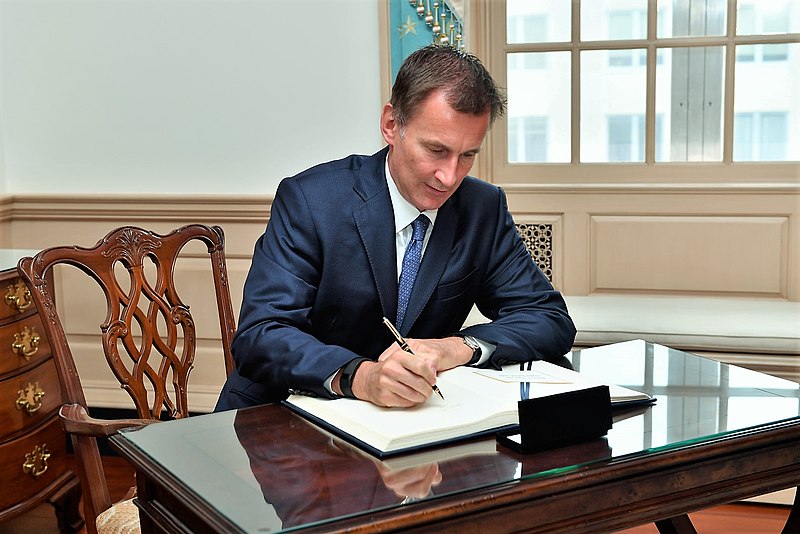
British finance minister Jeremy Hunt said he plans to raise an additional £32 billion a year in tax while scaling back the energy price cap plans of the government. This comes amidst the backlash that Prime Minister Liz Truss has received for her economic plan.
Hunt announced the tax changes Monday that can see an additional £32 billion in tax per year. Among the changes that were listed by Hunt include an indefinite suspension to the tax cut plan that was set to fall in April next year under Truss’s original economic plan that triggered financial markets.
Hunt also said the large energy price cap by the government would only last until April next year, after which the government is expected to look for ways to assist the most low-income households.
Hunt also scrapped the cut in dividend tax, creating a new VAT-free shopping scheme, freezing alcohol duty rates, and new rules for people who are self-employed, all of which are under Truss’s original plans.
“Taken together with the decision not to cut corporation tax and restoring the top rate of income tax, the measures I’ve announced today will raise every year around £32 billion,” said Hunt, adding the plans to cut the rate of National Insurance, as well as the cut to the stamp duty tax on property purchases, will proceed.
Hunt was also pressed during a parliamentary debate on whether he would recommit to the government’s pledge to raise publicly-funded pensions by the highest of income, inflation, or 2.5 percent. Hunt said he could not commit.
“I’m very aware of how many vulnerable pensioners there are and the importance of the triple lock…but I’m not making any commitments on any individual policy areas,” said Hunt. “Every decision we take will be taken through the prism of what matters most to the most vulnerable.”
Hunt also said that the economic forecasts that the country’s economic watchdog OBR is set to publish by the end of the month that will show the government’s debt dropping as a proportion of income in response to a question by a lawmaker.







