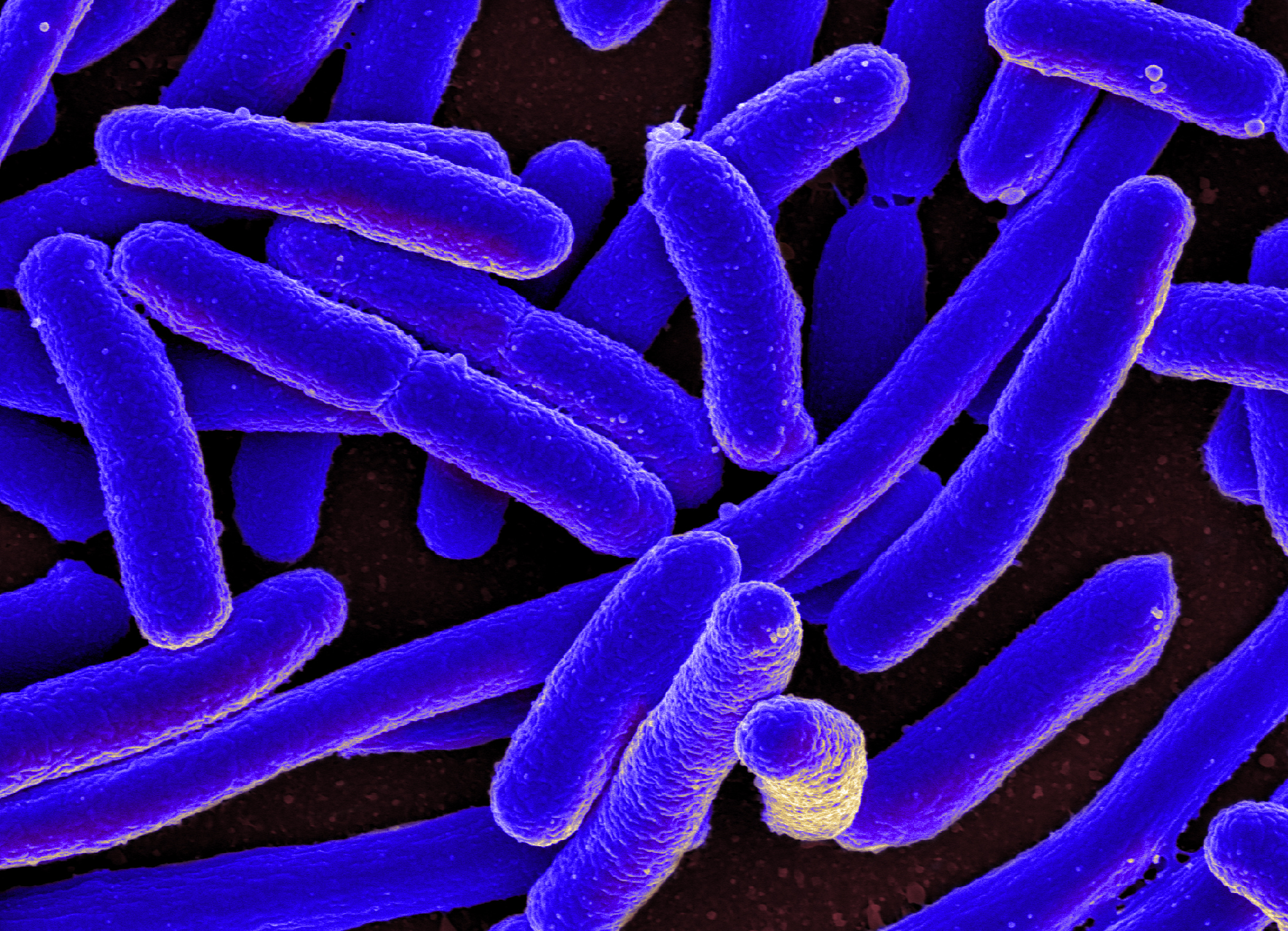
Bacteria and other microorganisms that have developed resistance to most antibiotics are largely known in the world as superbugs, but they can be a vague concept that the majority of people don’t care about. The UN doesn’t share the same opinion, however, as the international organization has just elevated the threat to a Crisis Level health issue. This is only the fourth time that the body of nations decided to do this, which is indicative of how seriously countries should take superbugs.
Modern antibiotics have been around for over 70 years, but the concept of using substances to combat bacterial infections have been around for far longer, Futurism reports. However, due to the long exposure to the drugs as well as the mass dumping of antibiotics in sewers, garbage sites, and even the ocean, resistant strains have started appearing.
These drug-resistant superbugs are not just a threat to humans either since there are also similarly toughened microorganisms that can infect crops, animals, and even farmed fish. As a result, Ban Ki-moon, the secretary general at the UN declared superbugs as “fundamental, long-term threat to human health, sustainable food production and development.”
In a recent gathering of UN officials, the secretary general detailed how superbugs currently threaten humanity as a whole. He also stressed that this is not a threat that’s far off into the future. It is happening right now.
“More than 200,000 newborn children are estimated to die each year from infections that do not respond to available antibiotics. An epidemic of multidrug-resistant typhoid is now sweeping across parts of Africa, being spread through water. Resistance to HIV/AIDS drugs is on the rise. Extensively drug-resistant tuberculosis has been identified in 105 countries. And resistance to antimalarial medicines is an urgent public health concern in the Greater Mekong sub-region,” Mr. Ban Ki-moon said.