The United States and Japan conducted a powerful joint air exercise this week as regional tensions escalated following increased Chinese and Russian military operations near Japan and South Korea. According to Japan’s defence ministry, two U.S. B-52 nuclear-capable strategic bombers flew alongside six Japan Self-Defense Forces (SDF) fighter jets over the Sea of Japan on Wednesday, demonstrating what Tokyo described as a firm commitment to deterrence and stability in the region.
Japanese officials said the drill reaffirmed the two allies’ readiness to counter any attempt to alter the regional status quo by force. The exercise came just a day after China and Russia carried out a joint flight of strategic bombers over the East China Sea and western Pacific, a move that heightened concerns in Tokyo and Seoul. China also conducted separate aircraft carrier exercises that prompted Japan to scramble jets after its forces reported being targeted by radar beams—an action Japan considers highly provocative.
South Korea confirmed that its military also deployed fighter jets on Tuesday when Chinese and Russian aircraft entered its air defence identification zone, adding to the sense of growing military pressure across Northeast Asia.
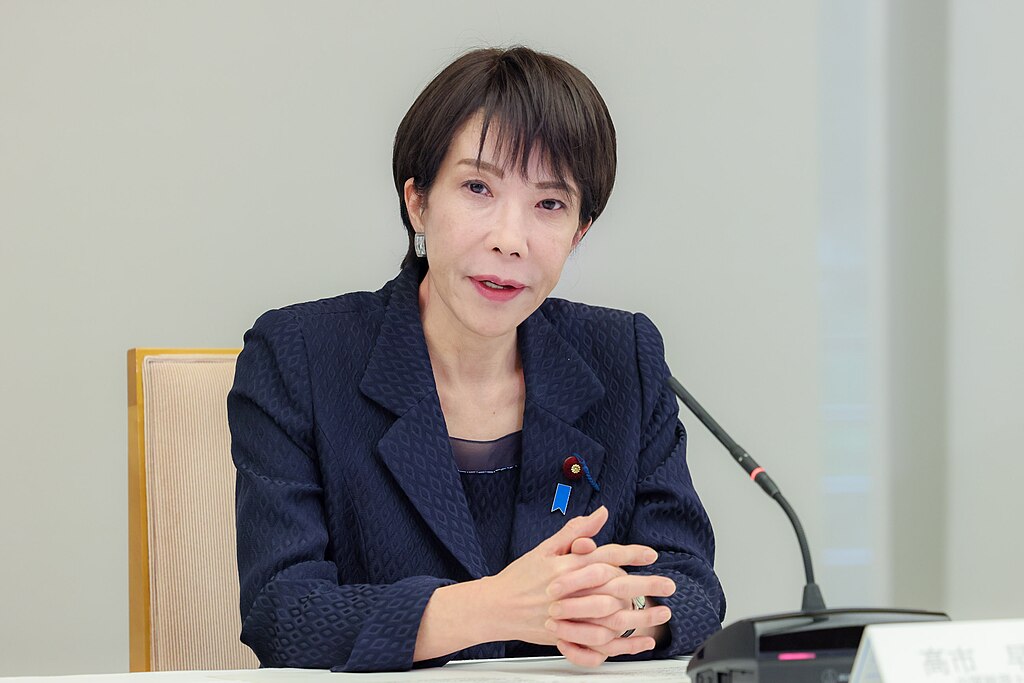
The latest tensions follow remarks by Japanese Prime Minister Sanae Takaichi last month regarding how Japan might respond to a hypothetical Chinese attack on Taiwan. Her comments sparked strong criticism from Beijing, which claims Taiwan as its territory and has not ruled out using force to bring the self-governed island under its control. Taiwan lies just over 100 kilometres from Japanese territory and is surrounded by vital sea lanes essential to Japan’s economy, amplifying Tokyo’s strategic concerns.
As the region faces increasingly assertive military maneuvers, the U.S.–Japan alliance continues to emphasize deterrence, coordination, and readiness to maintain security in the Indo-Pacific.