


 German Industry Pushes Merz for Tougher China Trade Policy
  Yindjibarndi Appeals Fortescue Mining Compensation Ruling
  34 Australians Missing After Deadly Nepal Floods
  Ecuador Court Convicts Ex-President Lenin Moreno in Bribery Case
  U.S. Unseals Charges Against Five Alleged CJNG Leaders, Raises Reward for New Cartel Chief
  Finland’s Stubb Says Russia Unlikely to Attack NATO
  Australia’s Corporate Leaders Face Parliament Over KPMG Client Data Scandal
  Qatar PM Heads to Tehran to Revive Iran-US Diplomacy
  US Military Uses Laser to Shoot Down Cartel Drones at Mexico Border
  SoftBank Eyes $20 Billion Bond Sale to Refinance OpenAI Loan
  UN Chief Raises Concern Over US Sanctions on ICC Officials
  Google Changes EU Spam Policy Amid Antitrust Scrutiny
  Nvidia Options Price in $280 Billion Earnings Swing
  Judge Rejects Minnesota Bid to Force ICE Agent Extradition
  TikTok, DOJ Reach $400 Million Children’s Privacy Settlement
  Iran Weighs Conditions to Reopen Strait of Hormuz
  Peru Court Frees Former President Ollanta Humala After Conviction Overturned


 Add as a preferred source on Google
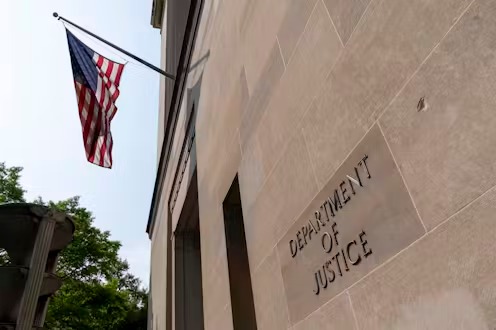
U.S. authorities have arrested two men accused of illegally smuggling Nvidia’s highly sought-after H100 and H200 artificial intelligence chips to China, according to the Justice Department. The case comes as President Donald Trump recently authorized Nvidia to resume exports of its H200 chips to Beijing, highlighting ongoing tensions surrounding advanced semiconductor technology and national security.
Prosecutors say Fanyue Gong, a 43-year-old Chinese citizen living in New York, and Benlin Yuan, a 58-year-old Canadian citizen originally from China, worked separately with employees at a Hong Kong logistics firm and a China-based AI company to bypass U.S. export controls. Court filings state the pair and their associates allegedly used straw buyers and intermediaries to obtain restricted Nvidia GPUs, claiming the hardware was intended for U.S. clients or customers in places such as Taiwan and Thailand.
Authorities allege the chips were delivered to several U.S. warehouses where Nvidia labels were removed and replaced with labels from what investigators believe was a fictitious company. The hardware was then prepared for shipment overseas. According to a separate complaint, Yuan also recruited people to inspect the mislabeled products and instructed them not to reveal that the chips were destined for China. He allegedly participated in creating a cover story for retrieving seized shipments.
The Justice Department estimates the smuggling network has been active since at least November 2023. Another individual, Alan Hao Hsu, previously pleaded guilty in October for his role in the same scheme. Prosecutors say Hsu and his company received over $50 million in wire transfers from China and helped move at least $160 million worth of export-controlled Nvidia chips.
U.S. Attorney Nicholas J. Ganjei said the investigation, dubbed Operation Gatekeeper, uncovered a sophisticated effort to funnel cutting-edge AI hardware to entities that could undermine U.S. interests. Nvidia emphasized its cooperation with regulators, stressing that even older-generation GPUs sold on secondary markets undergo strict security reviews.







