
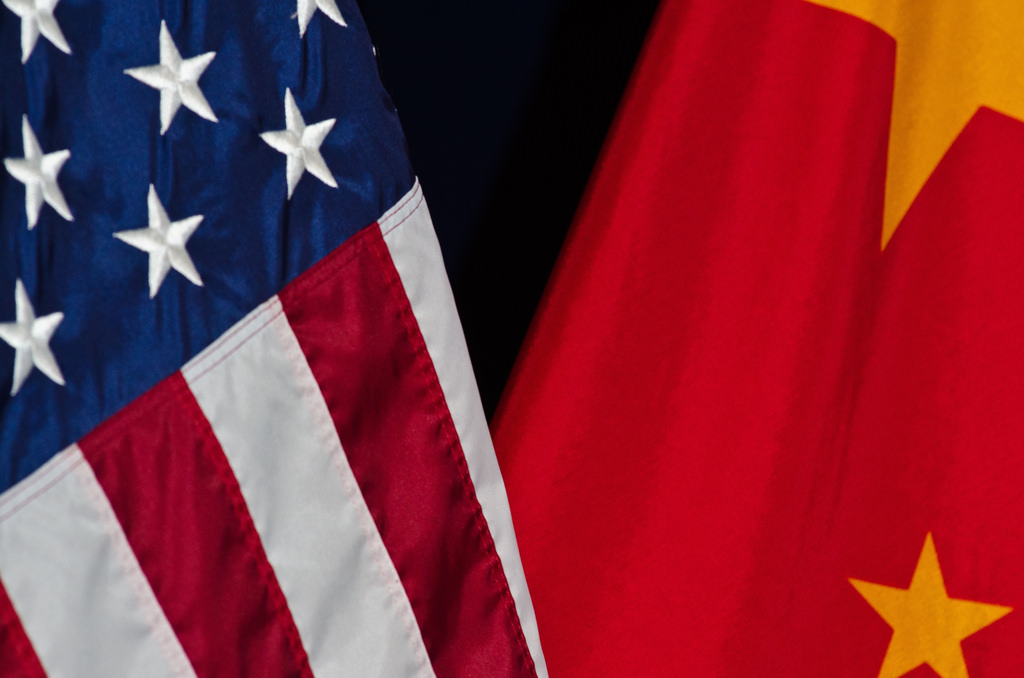
Top U.S. and Chinese officials resumed trade negotiations in London on Tuesday, aiming to ease tensions over rare earth export controls that threaten global supply chains and economic growth. This follows a preliminary deal reached in Geneva last month, which provided temporary relief but was soon clouded by fresh U.S. accusations that Beijing was restricting exports critical to key industries like automotive, aerospace, semiconductors, and defense.
Talks are being held at Lancaster House, led by U.S. Treasury Secretary Scott Bessent, Commerce Secretary Howard Lutnick, and Trade Representative Jamieson Greer. China's delegation is headed by Vice Premier He Lifeng. Lutnick’s presence signals the central role of export regulations, especially concerning rare earth magnets—vital for electric vehicle motors—where China holds a near-monopoly.
Recent Chinese customs data showed a sharp 34.5% drop in exports to the U.S. in May, the steepest decline since the early COVID-19 lockdowns, highlighting the growing strain on bilateral trade. While U.S. inflation and employment have remained relatively stable, the dollar continues to face pressure amid policy uncertainties.
Monday’s discussions focused on resolving disputes over the Geneva agreement, with both sides expected to release updates following Tuesday’s meetings. The talks come shortly after a phone call between Presidents Trump and Xi—their first since January—during which Xi reportedly agreed to resume rare earth shipments. Reuters reports that China has temporarily granted export licenses to supply top U.S. automakers.
However, global manufacturers remain on edge as ongoing restrictions raise concerns about shortages of essential materials. Trump's unpredictable tariff policies have added further uncertainty, disrupting markets and inflating costs across multiple sectors.
The outcome of these high-stakes talks could significantly impact global trade dynamics in the months ahead.


