The United States Coast Guard has significantly expanded its maritime operations targeting vessels allegedly involved in drug trafficking and the transportation of Venezuelan crude oil, as part of a broader strategy to counter illicit activities linked to Venezuelan President Nicolás Maduro. Homeland Security Secretary Kristi Noem confirmed the intensified campaign during a recent interview, emphasizing that the actions are intended to disrupt criminal networks while delivering a strong geopolitical message.
According to Noem, the Coast Guard’s mission goes beyond routine interdictions. The United States is seeking to demonstrate that it will not tolerate what it considers illegal activities conducted or supported by the Maduro government. She stated that the operations are meant to send a clear signal to the international community that such actions “cannot stand,” underscoring Washington’s position that Maduro should no longer remain in power.
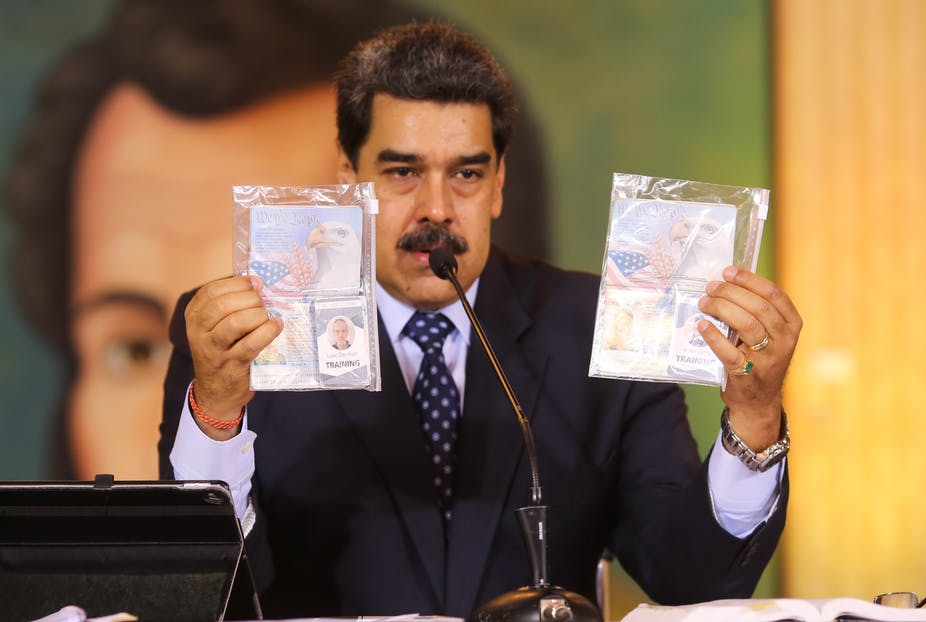
The US government has formally designated Nicolás Maduro as the leader of the so-called Cartel de los Soles, an organization it alleges is deeply involved in international drug trafficking. US authorities claim the group includes senior Venezuelan government officials and have classified it as a foreign terrorist organization. This designation provides the legal framework for aggressive enforcement measures, including maritime interdictions and targeted strikes.
As part of the campaign, US forces have intercepted oil tankers carrying Venezuelan crude and conducted operations against vessels suspected of transporting illegal narcotics. Some of these actions have reportedly included deadly strikes against drug-trafficking boats, highlighting the seriousness of the effort to curb both narcotics smuggling and sanctions evasion tied to Venezuelan oil exports.
Noem praised the Coast Guard’s role in the operation, describing its personnel as performing at an exceptionally high level while maintaining safety at sea. She emphasized that these actions are aimed at stopping the flow of drugs, protecting US national security, and standing up for American interests.
The expanded Coast Guard operations reflect a broader US strategy to apply economic, legal, and military pressure on the Maduro government, while reinforcing maritime security and signaling continued commitment to combating transnational crime in the region.