The United States and Cuba are set to hold another round of discussions on migration this week. The new round of talks between the two countries comes as the Biden administration is anticipating the end of COVID-era border restrictions that blocked Cubans from entering the country through Mexico.
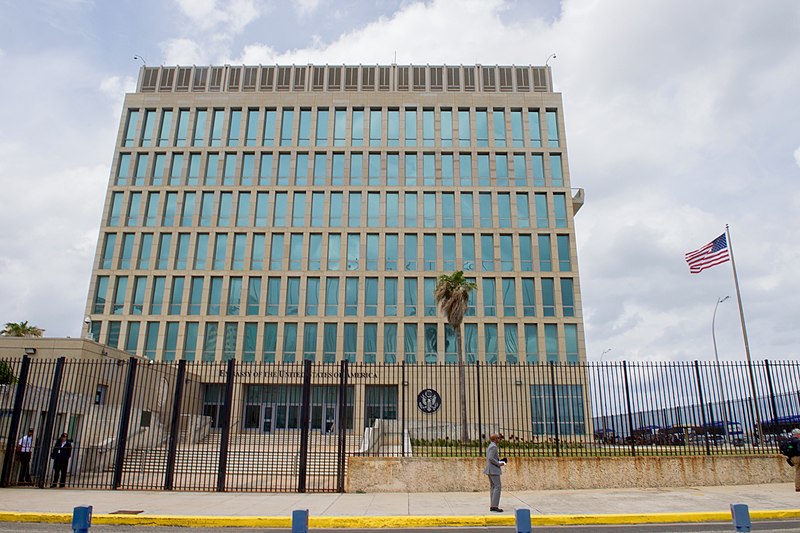
US officials said Washington and Havana would be holding a new round of talks on migration on Wednesday. The meeting in the US follows the previous meeting that was held in Havana back in November and comes one year after the Biden administration resumed the talks after a period of no action under President Joe Biden’s immediate predecessor Donald Trump.
A US state department official familiar with the matter said that the meeting on Wednesday “represents a continuation of our long engagement with Cuba on migration matters as neighboring states and is limited to the topic of migration.”
“Ensuring safe, orderly, humane, and regular migration between Cuba and the United States remains a primary interest of the United States, consistent with our interest in fostering family reunification and promoting greater respect for human rights and fundamental freedoms in Cuba,” said the official.
During the fiscal year of 2022, around 220,000 Cubans were caught illegally crossing the US-Mexico border, with 176 Cubans getting arrested in February this year. This is part of a broader increase in apprehensions under Biden. Other Cubans sought to enter the US in small boats and rafts and enter Florida.
As a result of pressure from Republicans and some Democrats, Biden adopted more restrictive border measures back in January, resulting in a drop in the number of Cubans and other migrants getting caught at the border. Biden also expanded legal pathways to the US by allowing around 30,000 Cubans, Haitians, Nicaraguans, and Venezuelans to enter if they travel by air and have US sponsors.
Meanwhile, three US officials said the country’s national security agencies are conducting a review of internal intelligence sharing while dealing with the diplomatic consequences of the leak of classified US documents. Investigators are also looking into who may be responsible for the leaked documents and their potential motives, according to one of the officials.