U.S. Defense Secretary Pete Hegseth emphasized Japan’s key role in countering Chinese military assertiveness, calling it essential for establishing credible deterrence in the Indo-Pacific, particularly across the Taiwan Strait. Speaking in Tokyo on March 30 during his first official Asia tour, Hegseth told Japanese Defense Minister Gen Nakatani, “We share a warrior ethos that defines our forces,” underscoring deep military ties between the two nations.
Hegseth labeled Japan a “cornerstone of peace and security” in the region, signaling that President Donald Trump’s administration will continue close cooperation with Tokyo, maintaining longstanding U.S. defense policies in Asia. His remarks reinforce the U.S. commitment to regional stability amid rising tensions with China over Taiwan and the South China Sea.
Japan currently hosts about 50,000 U.S. troops, advanced fighter squadrons, and the U.S. Navy’s only forward-deployed aircraft carrier strike group. This military presence stretches across a 3,000-kilometer archipelago, strategically positioned to contain Chinese military expansion.
Hegseth’s endorsement of Japan contrasts with his sharp comments directed at NATO allies in February, where he warned European nations against taking continued U.S. support for granted. His latest statements highlight a clear pivot in U.S. defense priorities toward the Indo-Pacific.
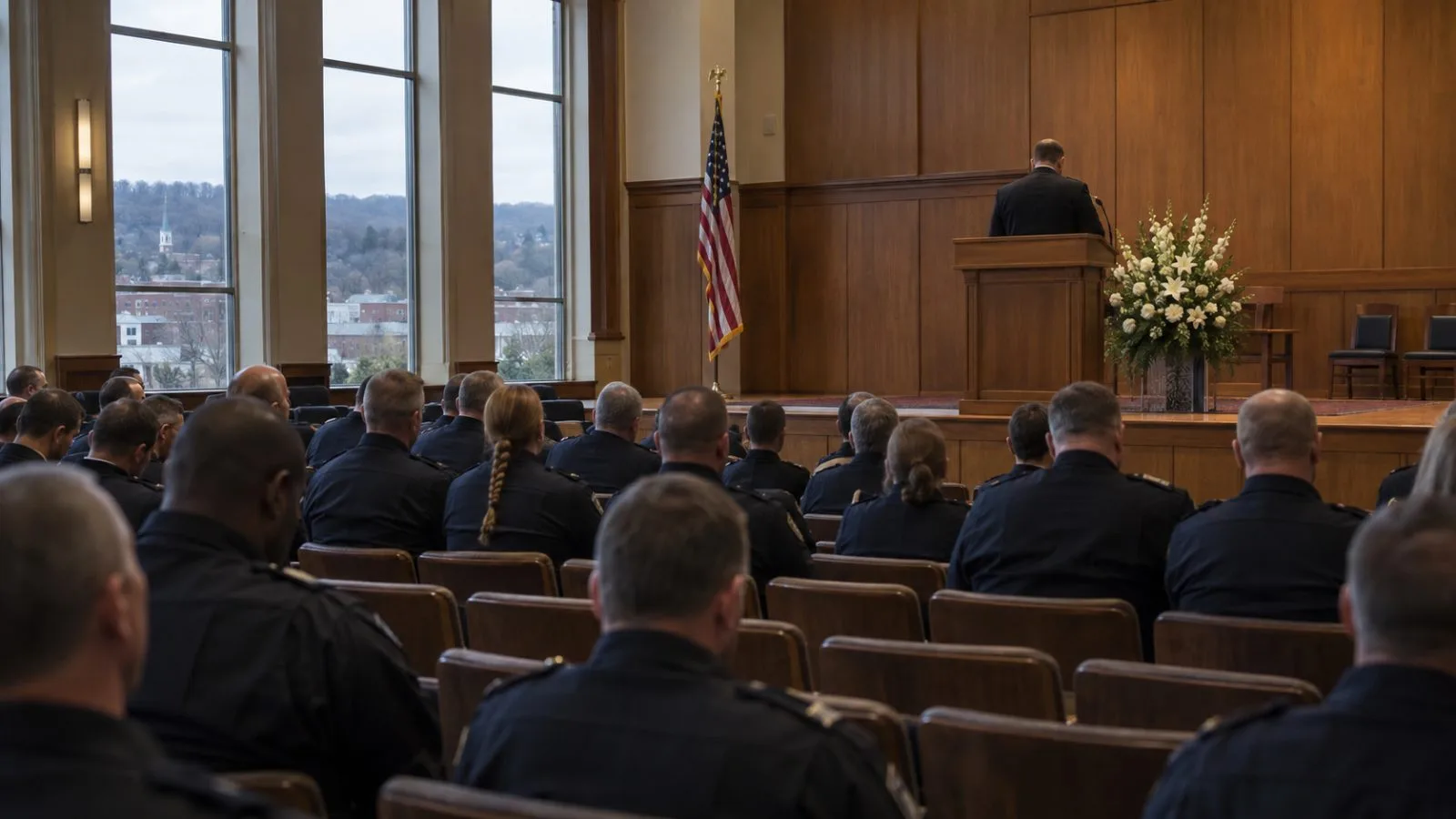
Before arriving in Japan, Hegseth visited the Philippines and attended a memorial on Iwo Jima, marking the 80th anniversary of the pivotal World War II battle between U.S. and Japanese forces. His trip underscores Washington’s focus on strengthening alliances in Asia amid increasing geopolitical friction with China.
By reinforcing strategic military partnerships and expanding regional cooperation, the U.S. aims to bolster a collective defense posture to deter aggression and maintain peace in one of the world’s most critical geopolitical hotspots.