


 Najib Razak Granted House Arrest Until 2028
  DOJ Will Investigate AI-Related Crimes, Attorney General Blanche Says
  Trump Threatens EU Tariffs Over Canada Membership Proposal
  Trump Hopes Iran War Nears End as Yemen Fighting Escalates
  FBI, Coast Guard Board Ships After Cyberattacks
  North Korea Vows to Expand Nuclear Arsenal Amid U.S.-Led Military Buildup
  US-China Experts Push AI Nuclear Safeguards to Prevent Military Escalation
  Appeals Court Rejects Trump Third-Country Deportation Policy
  Trump Bans CNN, MS NOW and Politico From White House
  Trump Says US Army Base in Poland Talks Make Progress
  FAA Allows Boeing to Sell 35 More 777F Freighters Beyond 2028
  Mexico Pushes for US Trade Deal Before Midterms
  Australia Defends Social Media Algorithm Law Amid US Concerns
  Who should own the knowledge that underpins AI technology?
  Synthetic data could ease people’s concerns about privacy breaches. But who gets to create it?
  U.S. Issues Cuba Health Alert as Illnesses Rise
  FDA Weighs Safety Standards for Psychedelic Therapies


 Add as a preferred source on Google
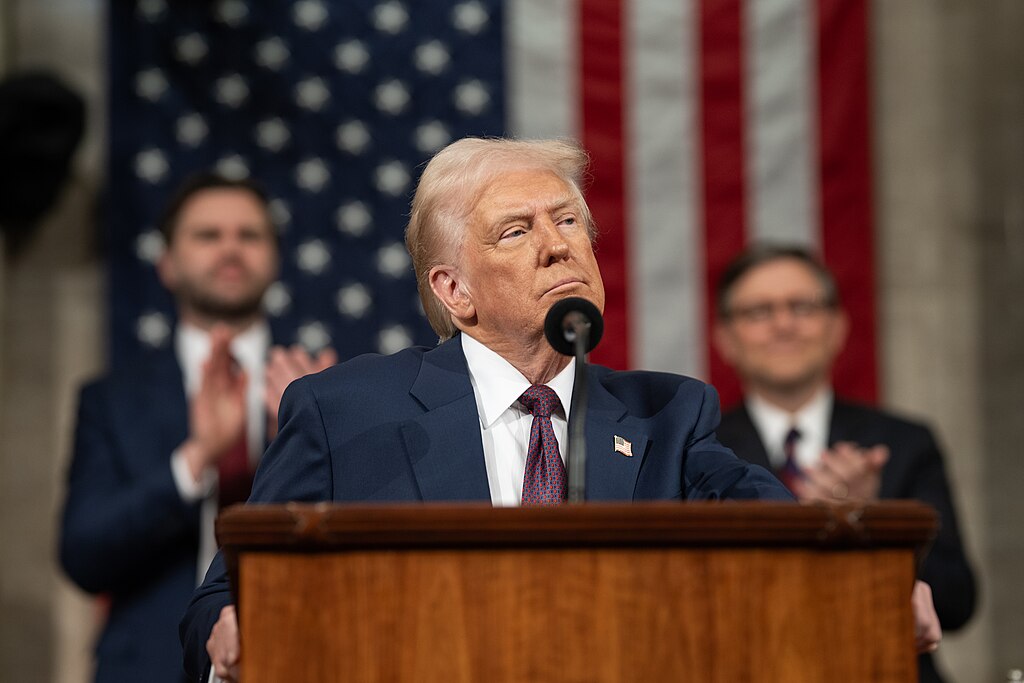
U.S. President Donald Trump is set to implement sweeping new tariffs on April 2, marking what he has called “liberation day.” The tariffs will target key U.S. trading partners and are expected to match or exceed the duties those countries impose on American goods. Treasury Secretary Scott Bessent confirmed the move, stating the tariffs would serve as a cap, with targeted countries able to reduce them by aligning with U.S. trade demands.
The new round of tariffs is expected to affect around 20% of all imports into the United States, according to a report by The Washington Post. The Trump administration has said the duties will take effect immediately. Congressman Kevin Hern relayed that countries hit by the tariffs can lower them by adjusting their own trade practices.
Trump’s strategy focuses on reciprocal tariffs, aiming to level the playing field for American exporters. Among the most affected will be the so-called “dirty 15” nations with significant trade surpluses with the U.S.—including China, Japan, India, Canada, Mexico, and Germany.
A 25% tariff on automobile imports is also set to begin on April 2, with additional sectors possibly impacted, such as semiconductors, pharmaceuticals, and select commodities. Trump has hinted at universal tariffs, signaling a tougher stance on trade imbalances.
The administration’s aggressive trade policy marks a significant escalation in its effort to protect U.S. industries and reduce the trade deficit. Analysts expect global reactions as countries weigh potential retaliatory measures. The April 2 tariffs may redefine U.S. trade relations and spark widespread economic ripple effects.







