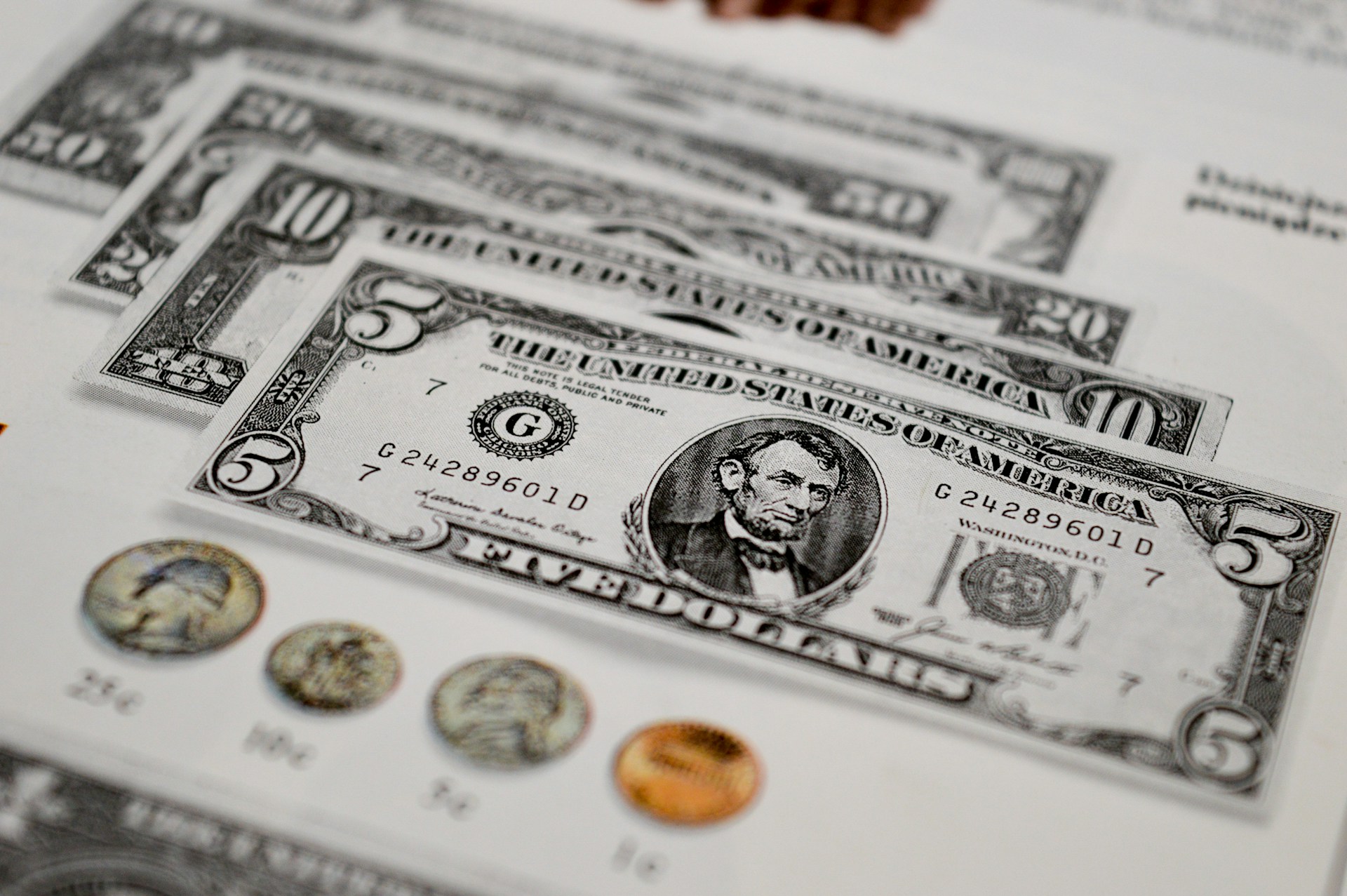
The U.S. dollar climbed to its highest level in nearly two months on Friday, supported by stronger-than-expected labor market data and escalating geopolitical tensions in the Middle East. The U.S. Dollar Index (DXY), which measures the greenback against a basket of major currencies, rose 0.7% to 100.06, marking its strongest level since early April. The index also recorded a weekly gain of approximately 1.2%.
Investor sentiment shifted sharply after the latest U.S. nonfarm payrolls report showed the economy added 172,000 jobs in May, significantly exceeding forecasts of 85,000 new positions. The unemployment rate remained steady at 4.3%, while payroll figures for March and April were revised upward by a combined 93,000 jobs. The stronger labor market data reinforced confidence in the resilience of the U.S. economy and reduced expectations for near-term Federal Reserve rate cuts.
Following the report, traders increased bets that the Federal Reserve could raise interest rates before the end of 2026. Rising rate expectations triggered a sell-off in government bonds, pushing Treasury yields higher and providing additional support for the U.S. dollar. Analysts noted that persistent inflation concerns, fueled by elevated energy prices, continue to complicate the Fed’s policy outlook.
Federal Reserve Chair Kevin Warsh is expected to maintain a hawkish tone at the upcoming Federal Open Market Committee meeting. Market participants increasingly believe policymakers will keep interest rates unchanged for the remainder of the year rather than pursue rate cuts.
Geopolitical developments also contributed to the dollar’s strength. Hopes for progress in Middle East peace negotiations weakened after Hezbollah rejected a proposed Israel-Lebanon ceasefire agreement. Continued disruptions around the Strait of Hormuz have intensified concerns about global energy supplies, supporting oil prices and adding to inflationary pressures worldwide.
Among major currencies, the euro fell 0.7% to $1.1525 after Eurozone GDP contracted 0.2% in the first quarter of 2026, largely due to a sharp decline in Ireland’s economic output. The British pound dropped 0.7% to $1.3335, while the Japanese yen continued to weaken, pushing USD/JPY above the key 160 level.
With strong economic data, higher Treasury yields, and ongoing geopolitical uncertainty, the U.S. dollar remains well-positioned as investors reassess global growth and monetary policy expectations for the remainder of 2026.