


 Japan GDP Growth Beats Forecast, Boosting BOJ Rate Hike Bets
  Iran Strikes U.S.-Used Jordan Base as Gulf War Escalates
  South Korea GDP Surges on Chip and AI Boom
  UK Food Inflation Forecast to Hit 6.4% by Mid-2027
  Trump Imposes New Tariffs on Drone Imports Over US Security Concerns
  European Stocks Flat as Iran Tensions, ECB Rate Hike Loom
  Iran Threatens US With ‘Economic Warfare’ as Gulf Tensions Rise
  Iran Plans New Gulf Restricted Zone as Hormuz Tensions Push Oil Higher
  New Zealand Moves to Ban Social Media for Children Under 16
  Countries Tighten Social Media Bans for Children
  US Bans Canadian Alcohol, Motorcycles as Trade War Escalates
  Chris Hipkins Targets Cost-of-Living Relief in New Zealand Election
  Brazil Warns EU of Retaliation Over Animal Products Ban
  Cuba Says No US Talks as Blockade Costs Hit $8.1 Billion
  Trump Orders Reduction in U.S.-South Korea Military Drills, Citing Kim Jong Un Ties
  China Exports Surge 25% in August as Trade Surplus Hits $119 Billion


 Add as a preferred source on Google
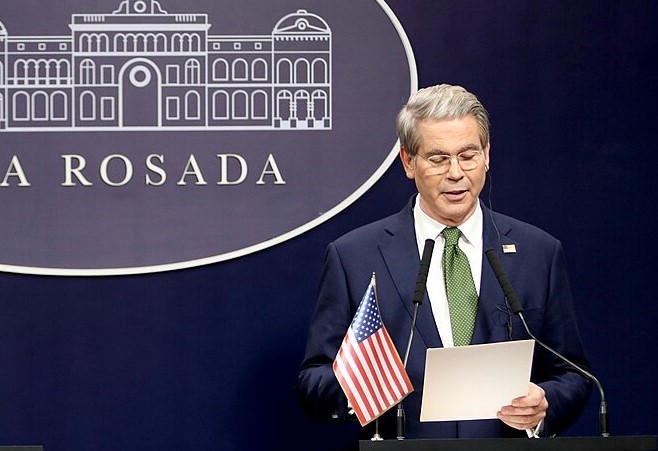
U.S. Treasury Secretary Scott Bessent announced Thursday that the Biden-era global tax framework will be modified under a new G7 agreement, prompting the removal of the controversial Section 899 tax proposal from the Republican tax and spending bill.
Section 899, introduced by GOP lawmakers, would have allowed President Donald Trump to impose retaliatory taxes on countries targeting U.S. firms under the 2021 OECD global tax deal. However, Bessent confirmed that the agreement with the Group of Seven nations shields American companies from the 15% global minimum tax under “Pillar 2” of the OECD-G20 Inclusive Framework.
“After months of productive dialogue, the U.S. and G7 have reached a joint understanding that protects American interests,” Bessent posted on X. He added that the countries would cooperate on implementing the new deal in the coming months.
This move potentially paves the way for Trump to fulfill his pledge to withdraw the U.S. from the OECD tax agreement while minimizing international fallout. The revised deal appears to address key concerns from U.S. corporations and Republicans, particularly around digital services taxes and global reallocation of taxing rights.
Bessent’s statement followed news that GOP lawmakers, facing internal opposition and pressure from the business community, were considering scrapping Section 899. The updated tax legislation is now expected to move forward, with final votes possibly taking place as early as Saturday, ahead of the July 4 holiday.
“This G7 consensus promotes economic stability and encourages investment in the U.S. and worldwide,” Bessent said.
The new deal marks a significant shift in U.S. tax policy, easing tensions with allies while aligning with Trump’s pro-growth, pro-business agenda as he pushes to finalize the tax bill swiftly.







