


 RBA Set for September Rate Hike as Inflation Stays High
  Best Gold Stocks to Buy Now: AABB, GOLD, GDX
  Fed’s Logan Signals 50 Basis Points More in Rate Hikes
  BOJ Set for Rate Hike as Inflation and Yen Pressure Mount
  Trump Demands Powell Resign Over Fed Renovation Cost Overruns


 Add as a preferred source on Google
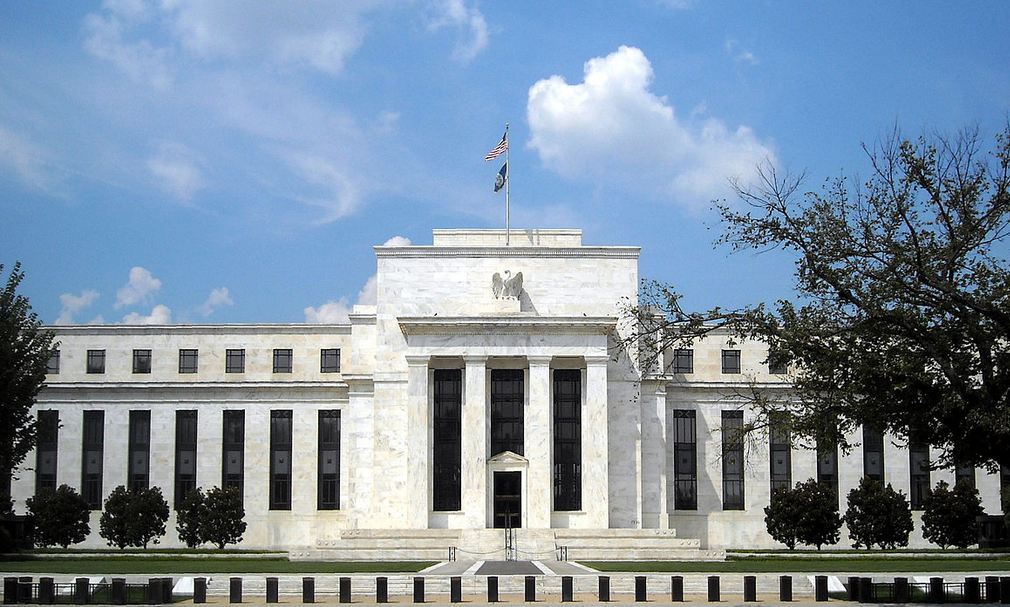
U.S. consumer prices unexpectedly fell in December 2015 as the cost of energy products and food declined, offering signs of weak inflation that further diminish expectations of a Federal Reserve interest rate hike in March.
Other data showed a drop in housing starts and building permits last month, adding to weak reports on retail sales, industrial production, exports, inventory and manufacturing surveys that have suggested a significant slowdown in economic growth at the end of 2015.
The inflation figure has not yet been able to match the target figure yet. The FOMC members however believe that the factors holding inflation down like weak oil prices and a strong dollar will subside in coming months allowing more scope for the inflation figures to reach at 2 per cent target.
The U.S. economy, as measured by GDP, is expected to grow 2.3% in 2016 and 2.2% in 2017. The core inflation rate will be higher, averaging 1.7% in 2016 and 1.9% in 2017. The inflation will thus likely remain around the Fed's 2.0% target inflation rate. The unemployment rate is expected to fall between 4.8% in 2016 and 4.8% in 2017.
According to Nordea Markets Research, ' US Core CPI inflation to remain above 2% through 2016 and 2017, driven by a continued pick-up in wage growth and sustained weak productivity growth as the economy is on track to reach full employment by mid-2016.'







