


 Oil Prices Rise as Hormuz Tensions Threaten Supply
  Cuba Says No US Talks as Blockade Costs Hit $8.1 Billion
  Ecuador Backs U.S. Sinking of Vessels in Pacific Anti-Drug Operation
  Kyiv Mothers Give Birth Amid Russian Drone Attacks
  Trump Targets 1,000 U.S. Space Launches Annually by 2030
  Trump Orders Major Overhaul of US Navy Shipbuilding
  Sara Duterte Posts Bail Over Grave Threats Case
  Merz Rejects AfD Alliance After Saxony-Anhalt Surge
  Trump Peace Envoys Meet Zelenskiy in Kyiv After Putin Talks
  Gold Prices Rise as Yen Rally Weakens Dollar
  Lavrov Accuses Germany of ‘Declaring War’ on Russia
  Trump Orders U.S. Navy to Return to Steam Catapults for Aircraft Carriers
  Texas Republicans Turn Against AI Data Centers as Election Backlash Grows
  US Stock Futures Mixed as Fed Rate Hike Bets Rise
  SEC Sues Former Tricolor Executives Over $1.9 Billion Investor Fraud Scheme
  Judge Blocks Trump Mail Voting Order Ahead of 2026 Midterms
  AfD Eyes Historic Win in Saxony-Anhalt Election


 Add as a preferred source on Google
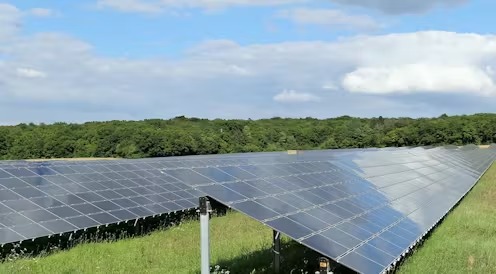
The U.S. Commerce Department has announced significant countervailing duties on solar cells and solar panels imported from India, Indonesia, and Laos, citing unfair government subsidies that disadvantage American solar manufacturers. The decision marks the latest move in a decade-long effort to address low-cost solar imports from Asia, many of which are tied to Chinese solar companies operating abroad.
According to the Commerce Department, general subsidy rates were calculated at 125.87% for solar imports from India, 104.38% for Indonesia, and 80.67% for Laos. These tariffs aim to offset what U.S. officials describe as unfair financial support provided by foreign governments to their domestic solar industries.
In 2025, the three countries accounted for approximately $4.5 billion in solar equipment imports, representing nearly two-thirds of total U.S. solar imports. Previous U.S. tariffs on Malaysia, Vietnam, Thailand, and Cambodia sharply reduced shipments from those countries after steep duties were finalized last year, reshaping global solar trade flows.
The case was initiated by the Alliance for American Solar Manufacturing and Trade, whose members include Hanwha Qcells, First Solar, and Mission Solar, a subsidiary of OCI Holdings. The group argues that unfairly priced imports threaten billions of dollars in U.S. solar factory investments and domestic clean energy jobs. Lead attorney Tim Brightbill called the ruling “an important step toward restoring fair competition” in the American solar market.
In addition to countrywide rates, individual companies face specific duties. Mundra Solar in India will see a 125.87% rate, while Indonesia-based PT Blue Sky Solar faces 143.3% and PT REC Solar Energy 85.99%. In Laos, Solarspace Technology Sole Co and Vietnam Sunergy Joint Stock Company were assigned 80.67%. Solarspace expressed disappointment, stating the rate does not reflect its actual operations.
A final determination in the countervailing duty investigation is expected in July, with a separate ruling pending on whether solar products were sold below production cost in the U.S. market.







