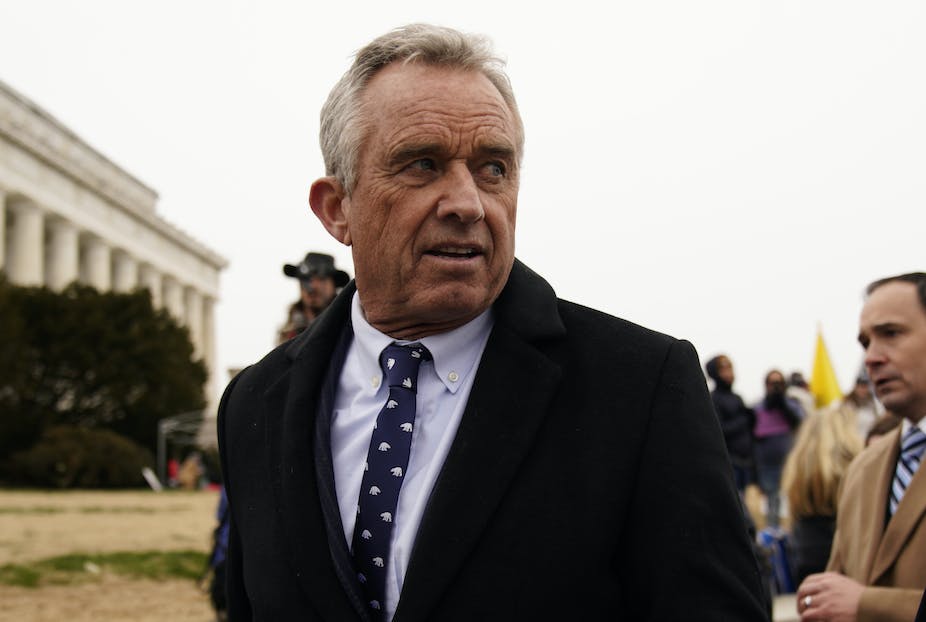
West Virginia has become the first U.S. state to ban artificial food dyes and seek restrictions on soda purchases with food stamps, aligning with health priorities championed by U.S. Health and Human Services Secretary Robert F. Kennedy Jr.
Governor Patrick Morrisey signed the new legislation on Friday at a high school in Martinsburg, joined by Kennedy and school children. The law bans seven food dyes, initially impacting school lunches starting in August, before expanding to all food products sold statewide next year. Details on enforcement are yet to be announced.
Morrisey also announced that the state is requesting a federal waiver to restrict the purchase of soda using Supplemental Nutrition Assistance Program (SNAP) benefits. Kennedy voiced strong support, urging other states to follow West Virginia’s lead and promising approval for similar waivers.
"The message I want to send to all governors is to get in line behind Governor Morrisey," Kennedy said, as supporters wearing “Make America Healthy Again” badges applauded.
Outside the event, dozens protested Kennedy’s visit, with signs supporting vaccines and criticizing his health stance. Kennedy, known for his controversial views on vaccines, blamed food dyes for rising ADHD and cancer rates. While some studies suggest a possible link, scientific consensus remains mixed. He also condemned soda companies, comparing them to tobacco giants.
The move to limit sugary drink purchases with SNAP funds reflects long-standing Republican efforts to ensure taxpayer dollars promote healthier food choices.
West Virginia’s bold health policy shift could signal a growing trend among states focused on nutrition reform, especially amid increasing concerns over processed foods and additives.
This development may impact national discussions on food safety, public health, and welfare policy in the months ahead.