The World Health Organization (WHO) plans to reduce its workforce and scale back operations following a significant funding shortfall, according to an internal memo seen by Reuters. This move comes as the agency grapples with a $600 million income gap caused by the U.S. withdrawal and reduced development assistance from other countries.
The United States, formerly the WHO’s largest contributor at around 18% of its funding, officially withdrew support in January under President Donald Trump’s administration, citing the agency’s response to COVID-19 and other health crises. The loss of U.S. support, paired with global cuts in development aid—redirected to military budgets—has forced WHO to reassess its operations.
The memo, dated March 28 and signed by WHO Director-General Tedros Adhanom Ghebreyesus, reveals a proposed 21% budget cut for the 2026–2027 cycle—from $5.3 billion to $4.2 billion. An earlier reduction in February had already lowered the proposed budget to $4.9 billion.
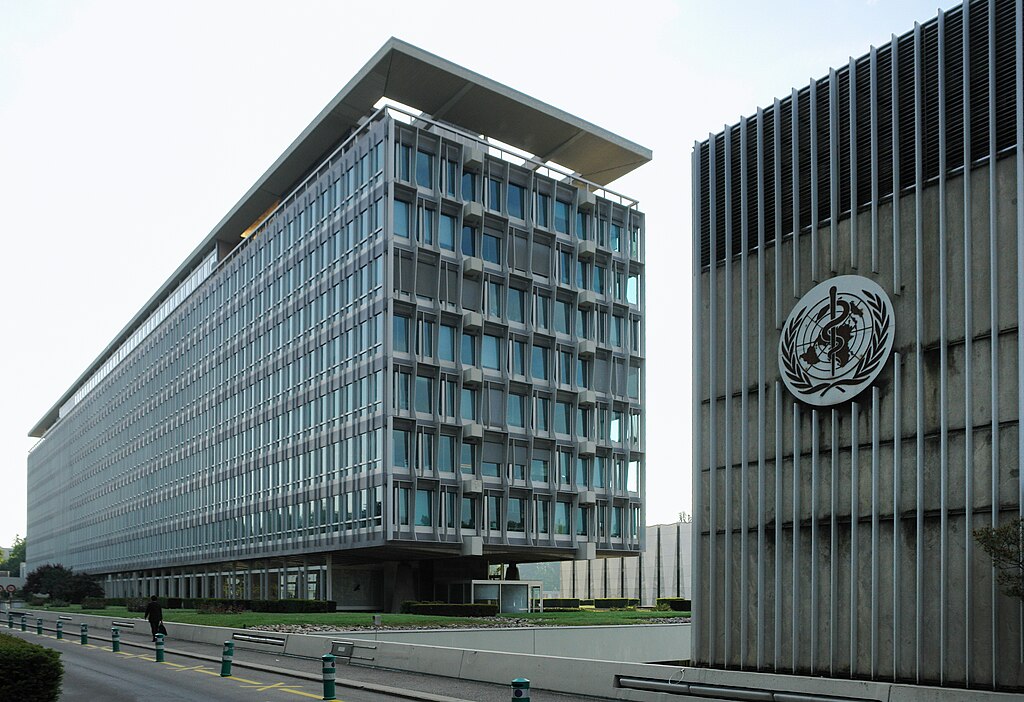
Facing no alternative, WHO will reduce staff at all levels, starting with senior leadership at its Geneva headquarters, where over a quarter of its 9,473 employees are based. The organization plans to finalize decisions on program and resource prioritization by the end of April.
A separate internal memo from March 10 disclosed the implementation of a one-year cap on staff contracts and emphasized efforts to secure new funding from countries, private donors, and philanthropists.
This financial crisis could significantly affect WHO's global health initiatives, underscoring the need for sustained multilateral support to maintain the organization’s vital public health mission.