The United States and Iran moved closer to a broader confrontation after U.S. forces struck Iranian coastal radar and surveillance facilities following the interception of drones near the Strait of Hormuz. According to U.S. Central Command, American forces shot down four Iranian drones believed to be targeting maritime traffic before launching retaliatory strikes against surveillance sites in Goruk and on Qeshm Island.
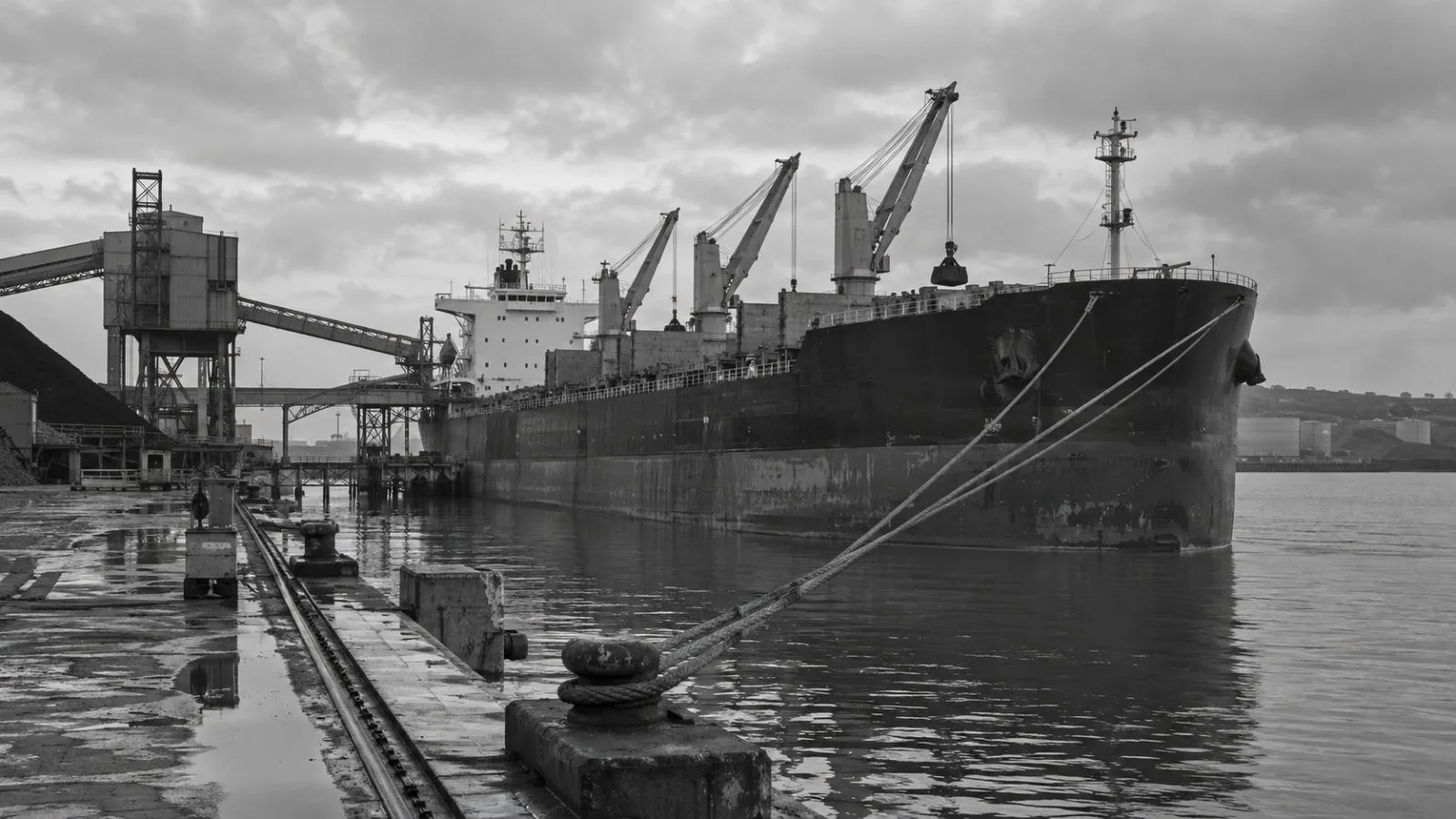
Iran condemned the operation, accusing Washington of violating the April 8 ceasefire agreement and warning that the United States would be responsible for the consequences of what it called illegal military actions. Tehran also claimed it launched retaliatory missile attacks against U.S. military bases in Kuwait and Bahrain and targeted several oil tankers attempting to pass through the strategic waterway.
Regional tensions increased as Kuwait reported intercepting ballistic missiles that crossed over populated areas, causing property damage but no casualties. Bahrain activated emergency sirens and urged residents to seek shelter. Both Gulf nations condemned the attacks and called for restraint.
The latest developments have complicated ongoing indirect negotiations between Washington and Tehran aimed at securing an interim agreement to end the three-month conflict. Major sticking points remain unresolved, including sanctions relief, access to Iranian oil revenues, maritime restrictions, and Iran’s influence over the Strait of Hormuz, a critical route for global energy shipments.
In a diplomatic effort to reduce tensions, Pakistani Interior Minister Mohsin Naqvi arrived in Tehran carrying a message from Pakistan’s leadership to Iran’s Supreme Leader Mojtaba Khamenei. Pakistan continues to play a mediating role in peace discussions between the two sides.
Meanwhile, U.S. President Donald Trump faces growing domestic pressure as rising oil prices and supply chain disruptions affect consumers. Trump stated that U.S. operations had significantly weakened Iran’s missile and drone production capabilities, although Tehran still retains a portion of its arsenal.
The broader regional crisis has also affected Lebanon, where military clashes continue despite ceasefire efforts. The ongoing conflict has disrupted global trade routes, increased energy market volatility, and intensified concerns about stability across the Middle East in 2026.