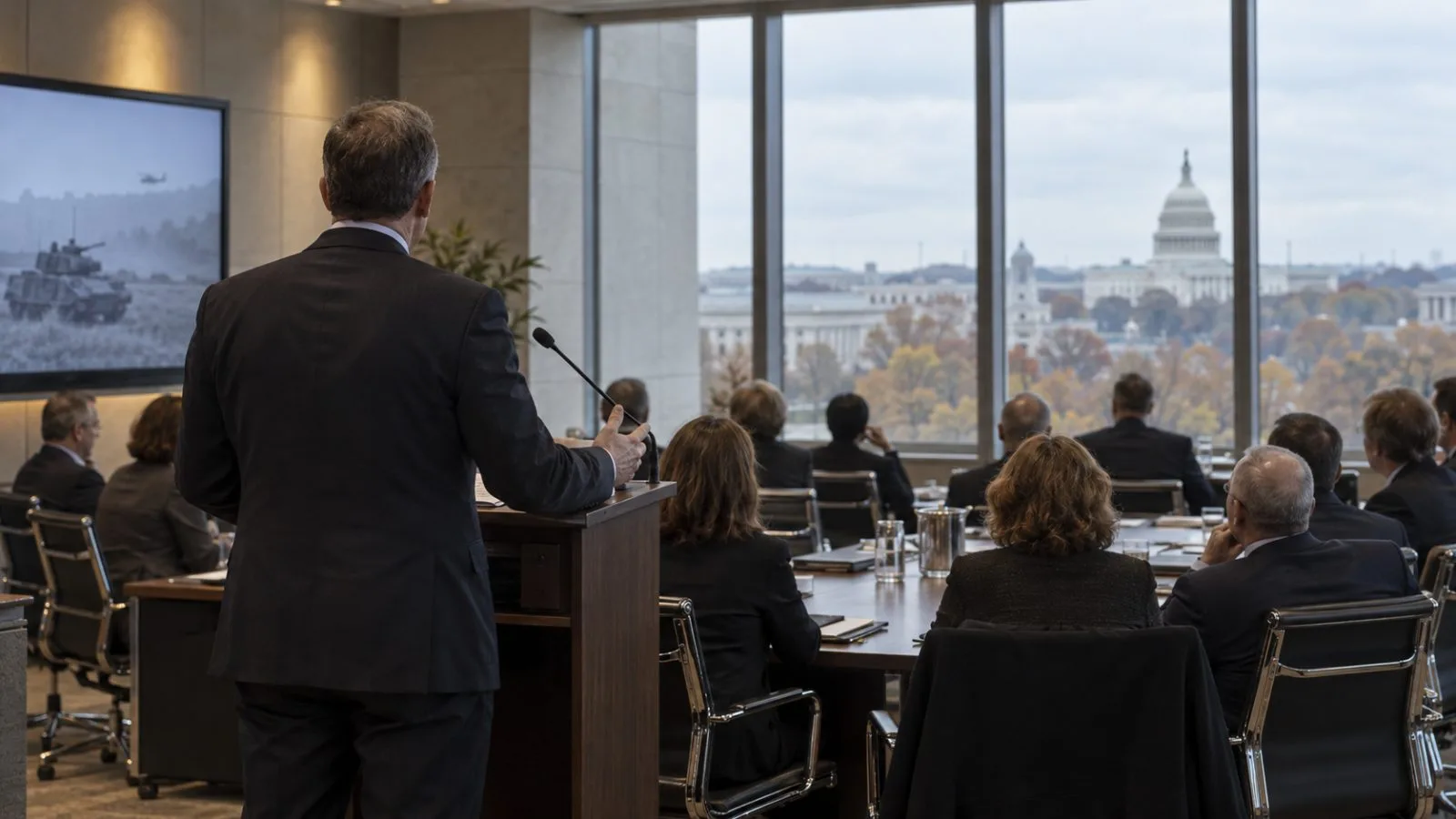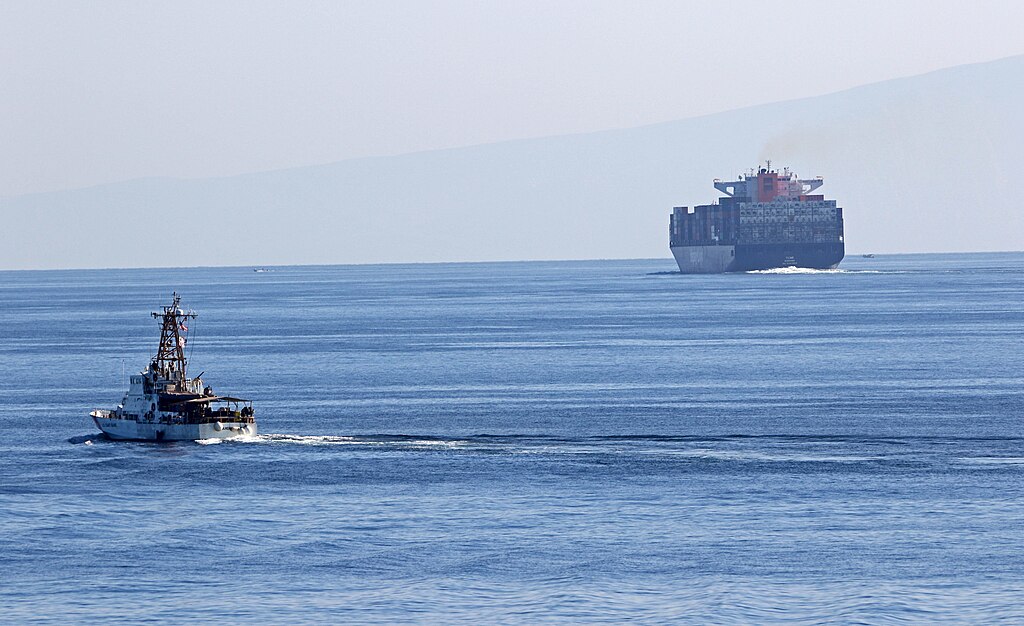
The United States-Iran conflict continues to intensify as President Donald Trump engages with oil executives to address the potential long-term impact of a U.S. naval blockade targeting Iran’s oil exports. The blockade, aimed at pressuring Tehran to reopen the Strait of Hormuz, has raised concerns over global energy supply and economic stability. Trump urged Iran to negotiate, warning the country to “get smart soon” and agree to a deal, while discussions with industry leaders focused on minimizing disruptions to oil markets and protecting American consumers.
The geopolitical tension has already triggered a surge in oil prices, with Brent crude climbing over 6% and reaching a one-month high. Meanwhile, the ongoing conflict has reportedly cost the U.S. military around $25 billion, highlighting the financial burden of prolonged engagement. Iran has responded with threats of unprecedented military action and continues to disrupt shipping routes, further escalating fears of a global energy crisis.
At the center of the dispute lies Iran’s nuclear ambitions. Tehran insists its uranium enrichment program is for peaceful purposes, despite holding significant stockpiles enriched to near weapons-grade levels. Negotiations remain stalled, with Iran proposing to delay nuclear discussions until the conflict formally ends—an offer rejected by Washington.
The war’s economic impact on Iran is severe, with inflation soaring above 65% and the national currency hitting record lows. Internally, political shifts and leadership changes have strengthened hardline factions, complicating diplomatic efforts. At the same time, Trump faces declining approval ratings domestically as Americans react to rising fuel costs and prolonged military involvement.
As both sides exchange threats and limited diplomatic signals, global markets remain volatile. The Strait of Hormuz, a critical chokepoint for oil transportation, remains a focal point of the crisis. Without a clear resolution in sight, the US-Iran standoff continues to pose significant risks to international security, energy markets, and economic stability.