


 Japan, US Target AI and Chips in $550 Billion Investment Push
  PayPal Shares Sink as $50 Billion Takeover Bid Collapses
  U.S. Issues Cuba Health Alert as Illnesses Rise
  Spire Healthcare Shares Jump on £1.03 Billion Takeover Deal
  Deutsche Telekom Shares Rise as Elliott Pushes Against T-Mobile Merger
  Faraday Future Delivers First Robots in Middle East, Plans September Launches
  Brazil Warns EU of Retaliation Over Animal Products Ban
  Trump Grants Clemency to Jay-Z Associate Emory Jones
  Milei Threatens Falkland Oil Firms With Sanctions
  Costa Rica President Backs Potential US Ground Operations
  Huawei Launches Mate XT2 Foldable Phone in China
  Volkswagen Approves 50,000 More Job Cuts in Major Restructuring
  Iran Plans New Gulf Restricted Zone as Hormuz Tensions Push Oil Higher
  Apple’s Phil Schiller Steps Back as Leadership Shake-Up Accelerates
  New Zealand Moves to Ban Social Media for Children Under 16
  Nvidia Eyes $2.5 Billion Investment in Thinking Machines Lab
  SEC Probes Banks Over Situational Awareness Hedge Fund Collapse


 Add as a preferred source on Google
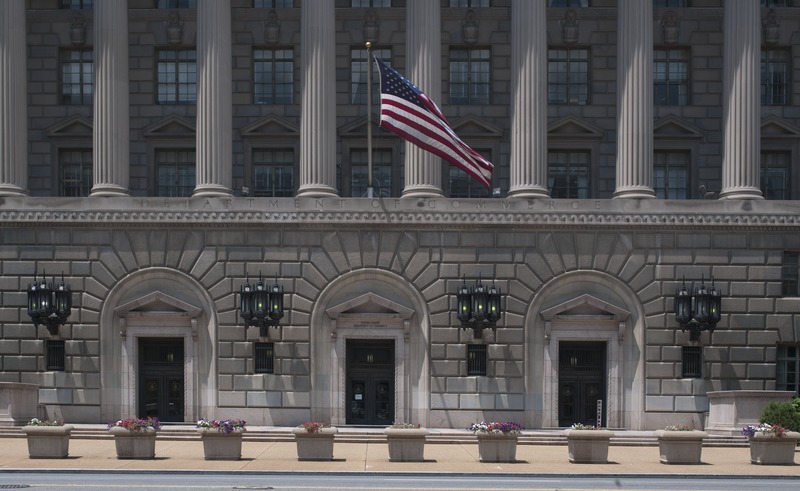
A potential easing of tensions between the United States and Iran is redirecting Washington’s attention toward major technology policy initiatives and executive actions, according to a new report from Wolfe Research. The shift could significantly influence the political landscape as lawmakers race against time ahead of the 2026 midterm elections.
One of the biggest concerns emerging from Washington is the Commerce Department’s unexpected decision to impose strict export restrictions on Anthropic’s advanced AI models, Mythos and Fable. The restrictions effectively forced the company to suspend distribution of the models, including access for domestic users. According to a leaked letter from Commerce Secretary Howard Lutnick, Anthropic would need individually approved licenses to provide model access to any foreign national, including non-U.S. employees working at the company.
While the move was initially linked to communication failures and security concerns involving an entity reportedly connected to the Chinese Communist Party (CCP), analysts believe the broader significance lies in the administration’s willingness to use executive authority to regulate artificial intelligence. Wolfe Research noted that the decision demonstrates a readiness to implement aggressive AI export controls, increasing regulatory uncertainty for technology companies and investors.
Meanwhile, Congress faces a narrowing legislative window before the traditional August recess. Wolfe Research identified the 21st Century ROAD to Housing Act and the CLARITY Act, a major cryptocurrency market structure bill, as the most likely non-essential measures to advance. However, prospects for the CLARITY Act have weakened due to ongoing disputes over stablecoin regulations and ethics-related provisions tied to crypto ventures associated with the Trump family.
The report also questions the feasibility of President Donald Trump’s proposal for a permanent $1.5 trillion defense budget increase. Analysts expect resistance from fiscal conservatives and procedural hurdles in Congress to limit such efforts. Instead, the administration is more likely to pursue a one-time supplemental defense package worth up to $100 billion to cover costs linked to the Iran conflict.
Despite expectations that a U.S.-Iran memorandum of understanding could help lower energy prices, Wolfe Research believes the political benefits for Republicans may be limited. Public approval of President Trump has continued to decline since early 2025, while concerns about the economic impact and handling of the conflict remain elevated.
As a result, Wolfe Research maintains its forecast that Democrats are positioned to regain control of the House of Representatives in the 2026 midterm elections, while Republicans are expected to retain a narrow majority in the Senate.







