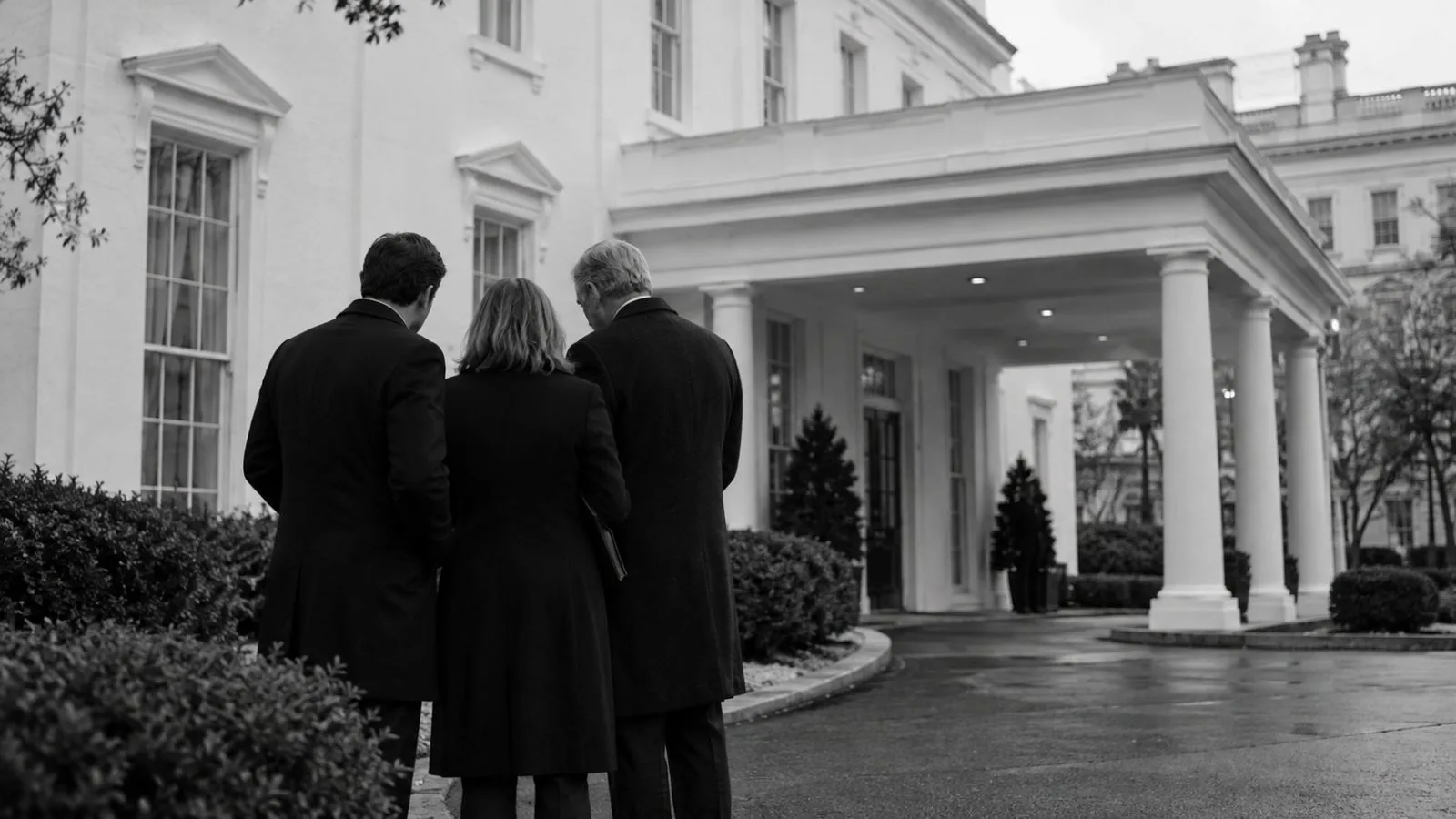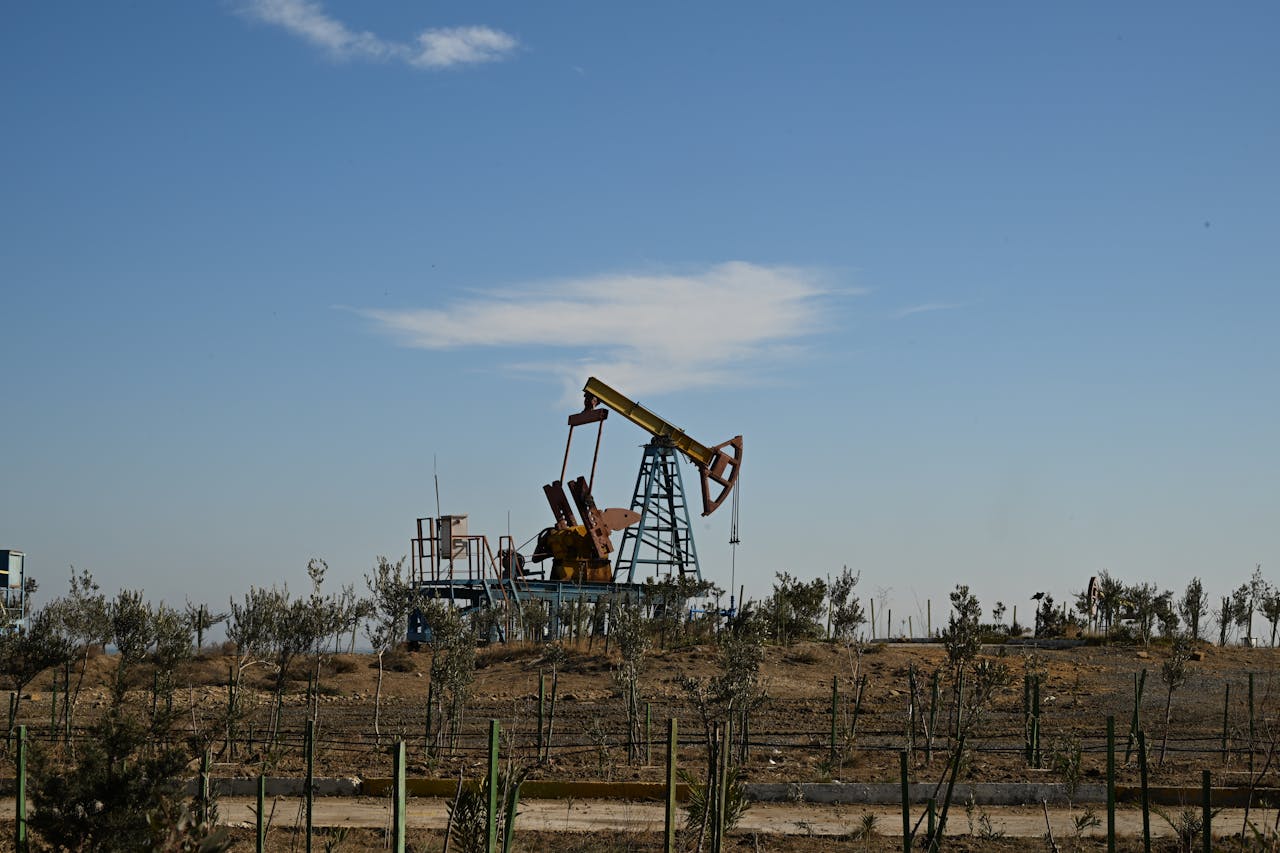
The United States has expressed renewed confidence that peace talks with Iran could resume soon in Pakistan, raising hopes of easing geopolitical tensions that have disrupted global energy markets. A senior Iranian official indicated that Tehran is reviewing the possibility of participating in negotiations, although no final decision has been confirmed. The potential revival of US-Iran peace talks comes at a critical time, as the current ceasefire nears its expiration and uncertainty continues to impact oil prices and investor sentiment.
President Donald Trump is pushing for an agreement aimed at stabilizing oil prices and preventing further volatility in global stock markets. However, Washington remains firm on its position that Iran must not develop nuclear weapons. Meanwhile, Iran is seeking to leverage its strategic control over the Strait of Hormuz to secure sanctions relief and avoid a renewed conflict without compromising its nuclear ambitions.
Market reactions have already reflected cautious optimism. Oil prices dipped slightly in Asian trading, with Brent crude and U.S. West Texas Intermediate both declining after earlier surges driven by uncertainty. Investors appear encouraged by the possibility of diplomatic progress, though tensions remain elevated due to recent incidents, including the interception of an Iranian vessel by U.S. forces.
The broader conflict has already had significant consequences, with thousands of casualties reported and global energy supply chains facing disruptions. The Strait of Hormuz, a vital route for nearly 20% of the world’s oil and gas shipments, remains a focal point in the standoff. Any escalation could further destabilize the global economy.
Pakistan is actively preparing to host the negotiations, deploying thousands of security personnel in Islamabad. Reports suggest that high-level U.S. officials may attend, signaling the importance of the talks. While both sides appear open to dialogue, deep mistrust and ongoing military pressures continue to complicate the path toward a lasting agreement.