


 Trump Buys Up to $25M in Meta Stock, Invests in SpaceX Debt
  Mexico Bars Dual Citizens From Presidential Races Starting in 2028
  Hegseth Praises USS Abraham Lincoln Crew After Record Iran War Deployment
  Marco Rubio Warns Russia-Ukraine War Could Spark Wider Conflict
  Saudi Airport Attacks Kill Three as Yemen Fighting Escalates
  US-Led Coalition Targets Global Factory Overcapacity
  Trump Backs Florida Golf Course as Presidential Retreat
  US, Greece Launch New Counterterrorism Security Program
  US-Taiwan Ties Remain Strong as Taipei Urges Timely Arms Deliveries
  EU Rejects Italy, Greece Calls for Fiscal Rule Flexibility
  Pentagon Orders Iran Strike Preparations as Trump Weighs Military Action
  Trump Weighs FBI Probe Into Nolan Wells’ Death
  ICC Rules Duterte Fit to Stand Trial in Drug War Case
  Maduro, Wife May Face New US Torture Charges
  RFK Jr. Launches Nationwide Vaccine Safety Review
  Flavio Bolsonaro Leads Lula 49%-45% in Brazil Runoff Poll
  Iran Refuses to Halt Uranium Enrichment Amid US Nuclear Demands


 Add as a preferred source on Google
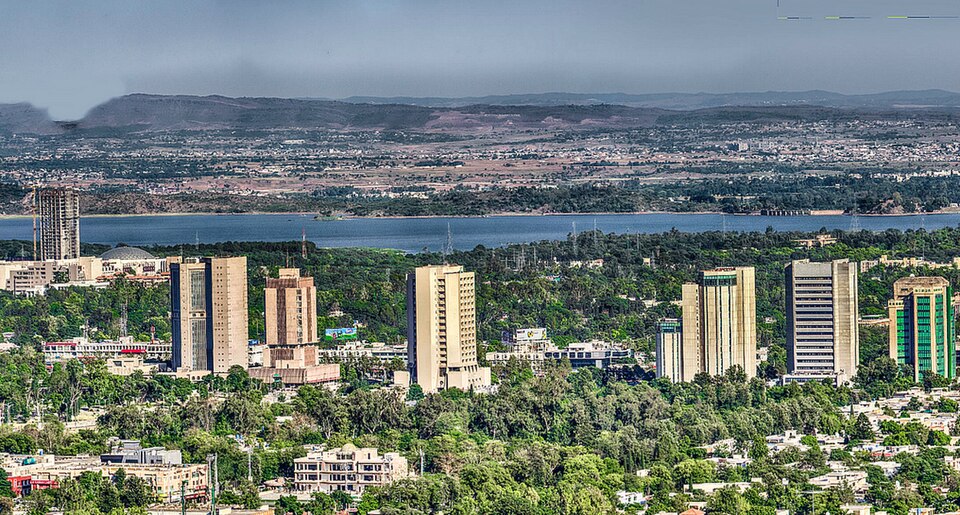
High-stakes diplomatic negotiations between the United States and Iran wrapped up in Islamabad, Pakistan on Sunday after roughly 14 hours of intense discussion, marking the first direct engagement between the two nations in over a decade. Iran's government confirmed via social media that while talks have temporarily paused, technical teams from both delegations will continue exchanging documents, with further negotiations expected to resume.
The historic discussions — the most significant since Iran's 1979 Islamic Revolution — centered on ending a devastating six-week armed conflict that has claimed thousands of lives and triggered a sharp spike in global oil prices. A senior U.S. delegation including Vice President JD Vance, special envoy Steve Witkoff, and Jared Kushner faced off against Iranian Parliamentary Speaker Mohammad Baqer Qalibaf and Foreign Minister Abbas Araqchi in a series of tense sessions described by Pakistani mediators as emotionally volatile, with the mood shifting dramatically throughout the day.
At the heart of the ceasefire negotiations is the Strait of Hormuz, a critical global energy corridor that Iran has blocked since the conflict began. The waterway handles roughly one-fifth of the world's energy supply, making its reopening a top priority for international markets. The U.S. military announced it was actively working to clear the strait of mines, though Iran disputed that any American vessels had passed through.
Iran entered the talks seeking the release of frozen assets, war reparations, regional ceasefire guarantees including Lebanon, and control over Strait of Hormuz transit fees. The United States, meanwhile, is pushing for unrestricted maritime passage and a permanent end to Iran's nuclear weapons development program.
Pakistan played a pivotal mediating role throughout the process — a striking diplomatic comeback for a country that was largely isolated on the world stage just a year ago.







