The United States launched what it described as “self-defense” military strikes against Iran on Tuesday evening after an American Apache helicopter was reportedly shot down over the Strait of Hormuz. The action follows a warning from President Donald Trump, who pledged a response to the incident.
According to U.S. Central Command (CENTCOM), the operation was a measured and proportional reaction to what it called unjustified Iranian aggression. The military announcement intensified concerns among investors and raised doubts about the prospects for a diplomatic agreement between Washington and Tehran.
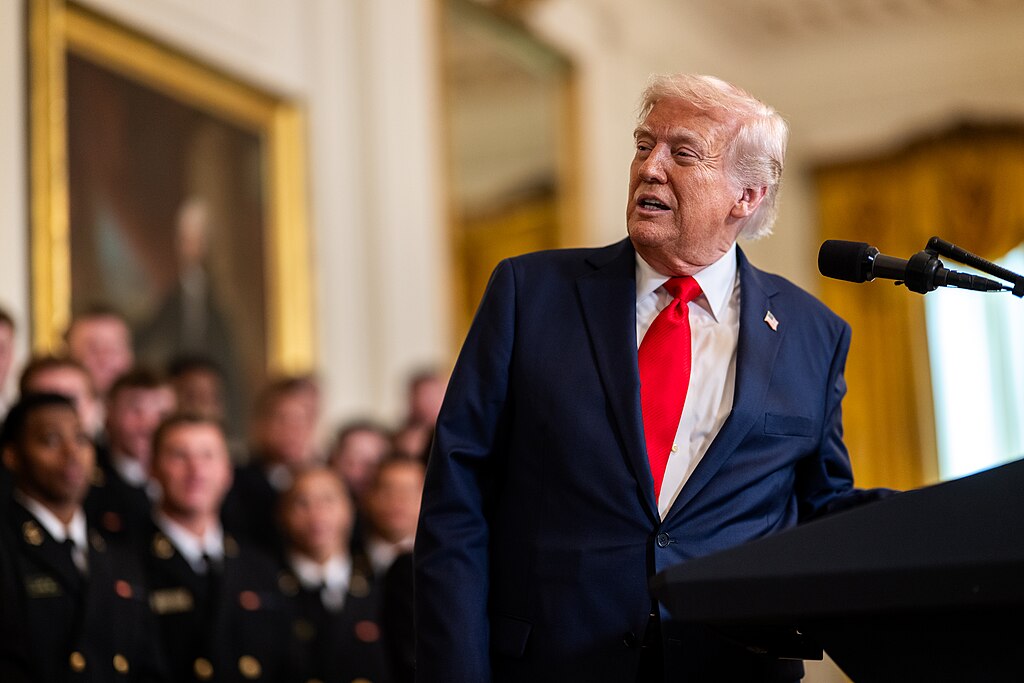
President Trump stated that the helicopter was attacked while conducting patrol operations in the strategically important Strait of Hormuz. He noted that both pilots survived the incident without injuries but emphasized that the United States could not ignore the attack. The president made the comments through his Truth Social platform, stressing that a response was necessary to protect American interests.
Iran, however, rejected the allegations. State media cited military sources claiming that no offensive air operations had taken place in the area during the previous 24 hours. Iranian officials also warned that any further military action would trigger a strong response.
The latest escalation has weakened expectations for a potential U.S.-Iran peace deal. Optimism had recently increased after Iran and Israel signaled a pause in hostilities following tensions connected to Israel’s operations in Lebanon against Hezbollah, a group backed by Tehran.
Trump also stated that discussions regarding a broader regional agreement were progressing and suggested that a deal could be finalized within days. He argued that such an agreement would help restore stability, reopen maritime trade routes through the Strait of Hormuz, and reduce pressure on global energy markets.
Despite repeated claims from Washington that Iran’s military capabilities have been significantly weakened, Tehran continues to maintain influence across the region and has carried out strikes against multiple targets in the Middle East. Iran has also remained skeptical about ongoing diplomatic efforts and has recently distanced itself from indirect negotiations with the United States.
The developments have added fresh uncertainty to the Middle East conflict, with global markets closely monitoring the impact on oil prices, regional security, and future U.S.-Iran relations throughout 2026.