


 Thomson Reuters C-Track Cyberattack Hits Courts Across U.S. and Canada
  Texas Republicans Turn Against AI Data Centers as Election Backlash Grows
  Anthropic IPO Marketing Expected to Start in Mid-October
  OpenAI Launches GPT-6 Astra With Advanced AI Agent Capabilities
  Brazil Warns EU of Retaliation Over Animal Products Ban
  Volkswagen Approves 50,000 More Job Cuts in Major Restructuring
  New Zealand Labour Backs Social Media Ban for Under-16s
  Tesla Cybercab Launch Puts Robotaxi Ambitions in Focus
  SEC Proposes ‘Regulation Crypto Assets’ Framework for Crypto Fundraising
  South Korea, US Discuss Chip Investments Amid Tariff Plans
  OpenAI Rejects Apple Trade Secret Theft Claims
  Countries Tighten Social Media Bans for Children
  SpaceX Mobile Network Could Cost Up to $130 Billion, Bernstein Says
  Brazil Court Suspends Sigma Lithium Mine Operations
  FCC Steps Up China Tech Crackdown as Beijing Pushes Back
  Adobe Names Anil Chakravarthy CEO as AI Push Accelerates
  Qantas Near-Miss Raises Sydney Air Traffic Controller Fatigue Concerns


 Add as a preferred source on Google
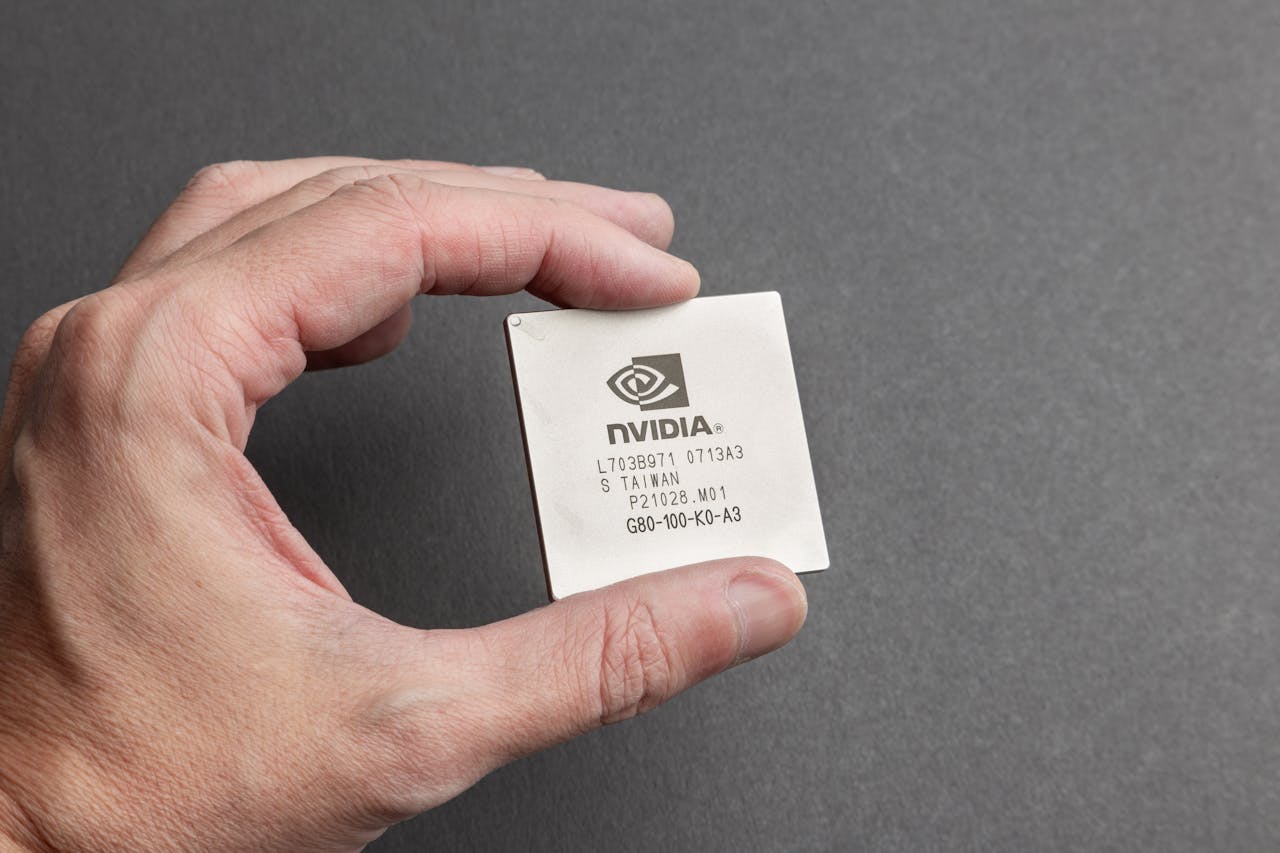
U.S. Representative John Moolenaar, chair of the House China Committee, has criticized the Commerce Department’s decision to allow Nvidia (NASDAQ: NVDA) to resume sales of its H20 AI chips to China. In a letter to Commerce Secretary Howard Lutnick, Moolenaar warned that the move could enhance China’s artificial intelligence capabilities, undercut U.S. innovation, and threaten national security.
“The Commerce Department made the right call in banning the H20,” said Moolenaar. “We can’t let the Chinese Communist Party use American chips to train AI models that power censorship, military tools, and global tech dominance.”
Nvidia’s H20 chip, originally designed to comply with export restrictions, is reportedly being used by Chinese tech giants like Tencent and AI startup DeepSeek to develop powerful supercomputers and large-scale AI models. Despite a prior ban by the Trump administration, the Biden administration has signaled a partial relaxation, citing broader negotiations involving rare earths and critical minerals.
While Nvidia still requires a license to export the H20, the company said it had received assurances that approvals would be granted soon. However, Moolenaar emphasized growing bipartisan concern over advanced chip exports to China, questioning the strategic implications of enabling China’s AI development.
Nvidia defended the decision, stating, “America wins when the world builds on U.S. technology. The government made the best decision to support U.S. tech leadership, economic growth, and national security.”
Shares of Nvidia dipped on Friday following Moolenaar’s renewed criticism.







