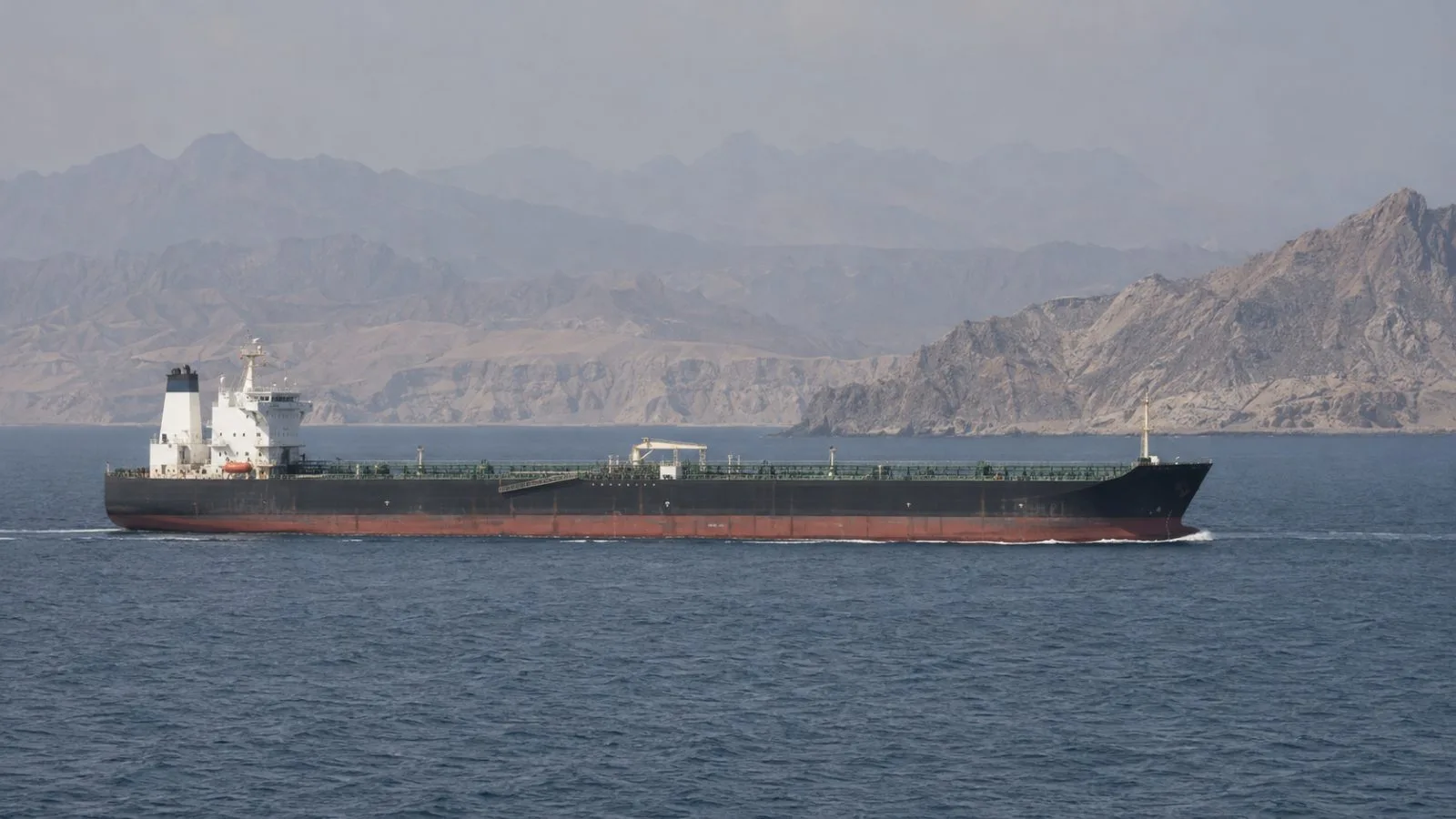
The U.S. military carried out a new strike on Thursday targeting a suspected drug-smuggling vessel in the Caribbean, marking the first known incident in which crew members reportedly survived, according to a U.S. official who spoke to Reuters on condition of anonymity. The Pentagon has yet to comment on the operation, which raises questions about the fate of the survivors and whether they are now in U.S. custody.
The Pentagon has previously labeled such targets as narcoterrorists, framing the attacks as part of America’s ongoing “war on narcoterrorism” linked to Venezuela. Prior U.S. strikes on drug boats in the region have killed at least 27 people, prompting concern among legal experts and Democratic lawmakers about whether these military actions comply with international law and the laws of war.
The Trump administration maintains that the U.S. is engaged in legitimate military operations against narcoterrorist groups allegedly supported by the Venezuelan government. Videos released from earlier strikes showed vessels being obliterated, with no known survivors until this latest operation.
This strike comes amid a major U.S. military buildup in the Caribbean, involving guided missile destroyers, F-35 fighter jets, a nuclear submarine, and roughly 6,500 troops. The escalation coincides with President Donald Trump’s authorization of covert CIA operations inside Venezuela, heightening tensions with President Nicolás Maduro’s government.
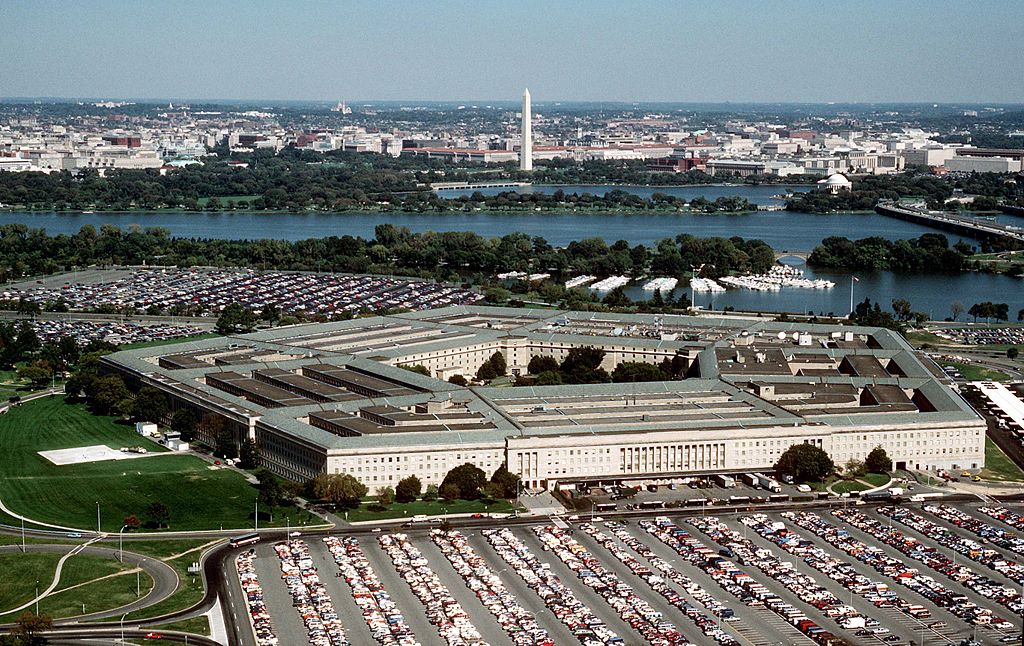
Venezuela’s U.N. Ambassador, Samuel Moncada, has called on the United Nations Security Council to declare the U.S. strikes illegal and affirm Venezuela’s sovereignty. Meanwhile, the Pentagon recently reassigned leadership of its counter-narcotics mission from Southern Command to the II Marine Expeditionary Force, an unexpected move that surprised defense analysts.
Defense Secretary Pete Hegseth also announced that Admiral Alvin Holsey, head of Southern Command, will step down two years early. Senator Jack Reed criticized the decision, warning it signals deeper instability amid growing fears of a U.S.-Venezuela confrontation.