


 ICE Agent Arrested in Minneapolis Over Venezuelan Man Shooting
  US Judge Dismisses Imran Ahmed Deportation Lawsuit
  Banking scandal rocks Brazil’s politics and the country’s presidential election in October
  South Korea’s Cho Hyun to Meet Rubio in Washington
  Saudi Arabia Raises Security Alerts as Houthi Attacks Threaten Oil Routes
  France Targets Shein, Temu With Fast-Fashion Fees
  Iran Economic Crisis Forces Afghan Families to Return Home
  Japan, U.S. Discuss $19 Billion GlobalFoundries Chip Plant
  North Korea Vows to Expand Nuclear Arsenal Amid U.S.-Led Military Buildup
  Australia Plans New Rules Giving Users Control Over Social Media Feeds
  U.S. Issues Cuba Health Alert as Illnesses Rise
  FDA Names Permanent Drug and Biologics Center Chiefs
  Global Poll Shows Rising Trust in Institutions as US-China Leadership Support Falls
  SEC Probes Banks Over Situational Awareness Hedge Fund Collapse
  Europe can’t achieve space sovereignty alone. Here’s why
  New Zealand Labour Backs Social Media Ban for Under-16s


 Add as a preferred source on Google
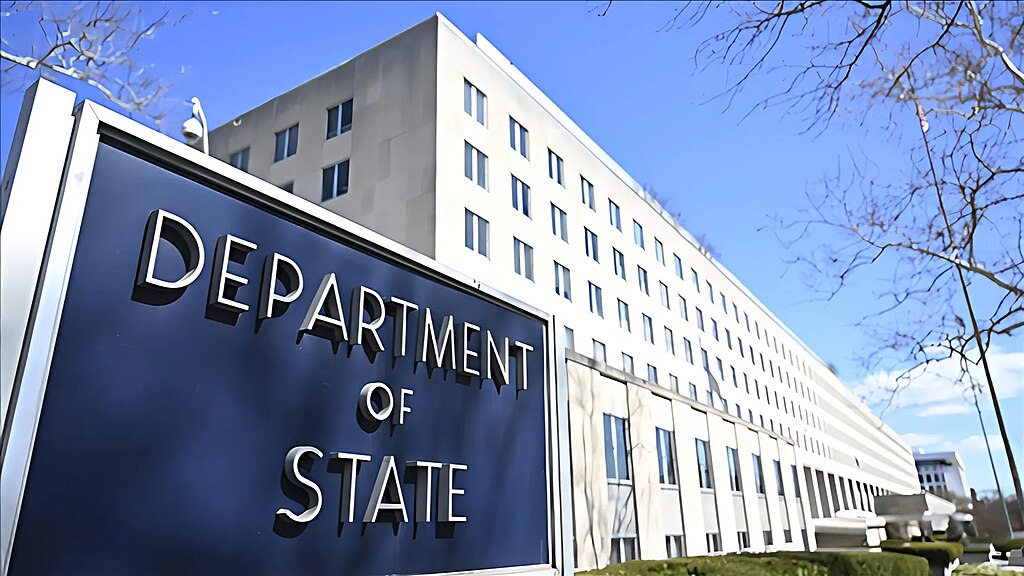
The U.S. State Department has begun offering financial incentives to Afghans stranded in Qatar to encourage voluntary repatriation, as officials move to shut down Camp As Sayliyah (CAS) by the end of March. The facility, a former U.S. Army base, has housed more than 1,100 Afghans since early last year after the Trump administration paused Afghan resettlement programs.
Many of those at the Qatar camp reportedly fear Taliban retaliation due to past ties with the U.S. military. Advocacy groups say the population includes civilian refugees, women who worked alongside U.S. forces during the 20-year war in Afghanistan, and relatives of American service members. Critics argue that returning to Afghanistan could put these individuals at significant risk.
During a House Foreign Affairs subcommittee hearing, Assistant Secretary of State for South and Central Asia S. Paul Kapur stated that the U.S. government is not forcibly deporting anyone. According to Kapur, approximately 150 Afghans have already accepted financial assistance to return voluntarily. However, he acknowledged that he did not know what happened to them after they arrived back in Afghanistan.
While the State Department has not disclosed official payment figures, Shawn VanDiver of #AfghanEvac told Reuters that the offer includes $4,500 for the primary applicant and $1,200 for each additional family member. Advocacy organizations have raised concerns that the repatriation process may not be fully voluntary, alleging that camp staff have encouraged residents to accept the payments amid uncertainty over third-country relocation options.
Kapur said the U.S. is negotiating with other countries to resettle eligible Afghans, calling relocation a preferable solution to indefinite stays at the Qatar facility. However, Democratic lawmakers, including Representative Sydney Kamlager-Dove, have criticized the policy, labeling it a betrayal of Afghan allies who supported U.S. operations.
The debate over Afghan repatriation highlights ongoing challenges in U.S. immigration policy and refugee resettlement efforts following the withdrawal from Afghanistan.







