U.S. oil companies seeking compensation for assets expropriated by Venezuela in the 2000s may be required to return to the country and invest billions of dollars to rebuild its oil industry, according to sources familiar with recent discussions. White House and State Department officials have reportedly told oil executives that any recovery of long-standing arbitration claims would depend on significant upfront investment in Venezuela’s struggling energy sector.
During the presidency of Hugo Chávez, Venezuela nationalized oil assets after foreign companies refused to grant greater operational control to state-run oil firm PDVSA. While Chevron negotiated joint ventures and maintained a presence in the country, companies such as Exxon Mobil and ConocoPhillips exited Venezuela and pursued international arbitration. ConocoPhillips alone has sought to recover approximately $12 billion, while Exxon Mobil filed claims totaling about $1.65 billion.
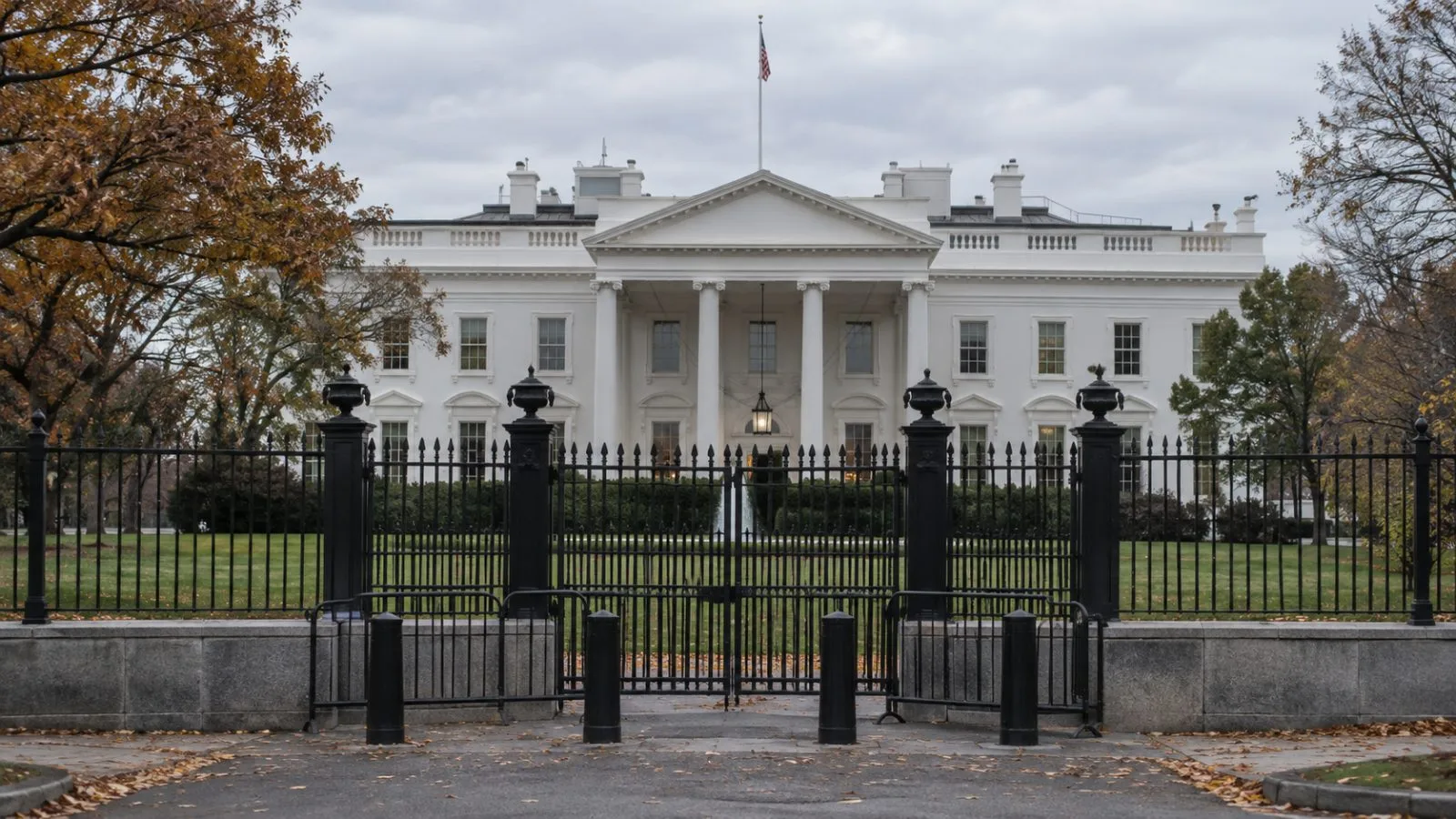
Recent discussions gained attention after President Donald Trump stated that U.S. companies were prepared to return to Venezuela and spend billions to revive oil production following the capture and removal of President Nicolás Maduro by U.S. forces. In this scenario, U.S. officials indicated that companies would need to finance the rebuilding process themselves before any compensation for expropriated assets could be considered.
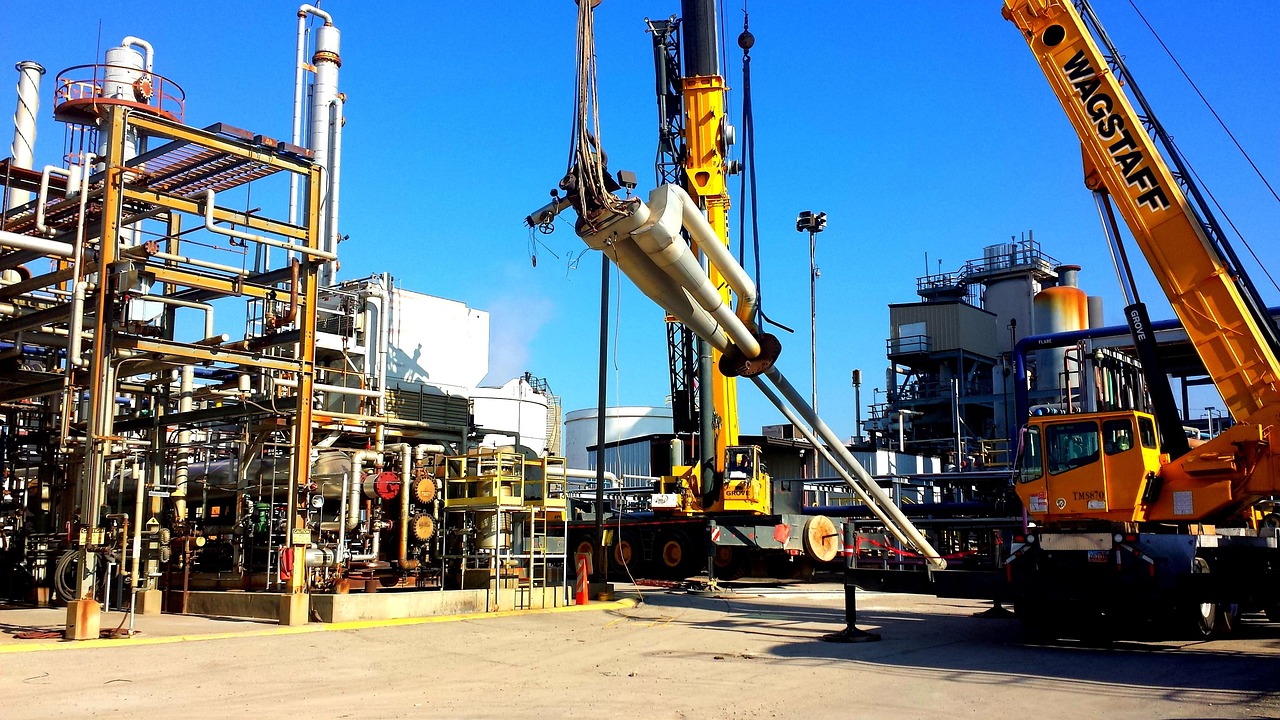
For oil majors, this presents a significant financial and strategic challenge. Venezuela’s oil industry has suffered from years of mismanagement, underinvestment, deteriorating infrastructure, and U.S. sanctions. Although the country holds some of the world’s largest proven oil reserves, production has fallen sharply—from 3.5 million barrels per day in the 1970s to roughly 1.1 million barrels per day last year.
Beyond financial risks, companies weighing a return to Venezuela must consider security concerns, political instability, legal uncertainties surrounding contracts, and questions over the legitimacy of recent U.S. actions. Analysts warn that even with renewed investment, restoring meaningful oil output could take years.
As global energy markets watch closely, the decision for U.S. oil companies will ultimately hinge on risk tolerance, shareholder approval, and confidence in Venezuela’s long-term political and economic stability.