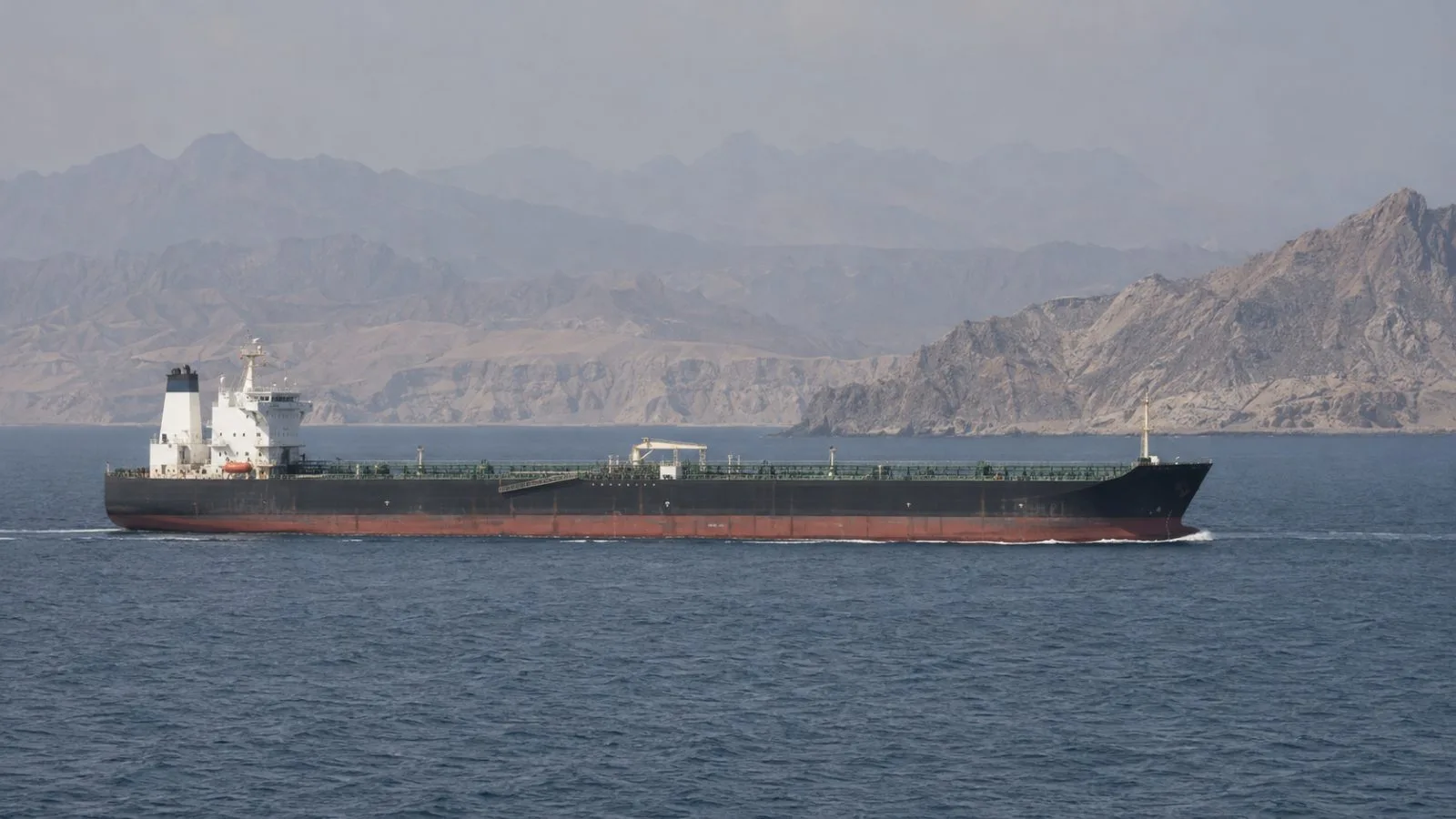
The U.S. is preparing to impose port fees on ships tied to Chinese-built or Chinese-flagged vessels, aiming to revive domestic shipbuilding and counter China’s dominance in global shipping. A draft executive order under President Trump’s administration seeks to charge fees on any ship docking at U.S. ports if its fleet includes Chinese-built or flagged vessels.
China now produces over 50% of the world’s merchant cargo capacity, a dramatic rise from 5% in 1999, largely at the expense of Japan and South Korea. Meanwhile, U.S. shipbuilding, once thriving in the 1970s, has significantly declined. The proposed measure builds on a U.S. Trade Representative recommendation to levy fees of up to $1.5 million on Chinese-built ships entering U.S. ports. However, the new draft omits a prior threshold requiring 25% of a fleet to be Chinese-built before triggering fees and does not specify exact charges.
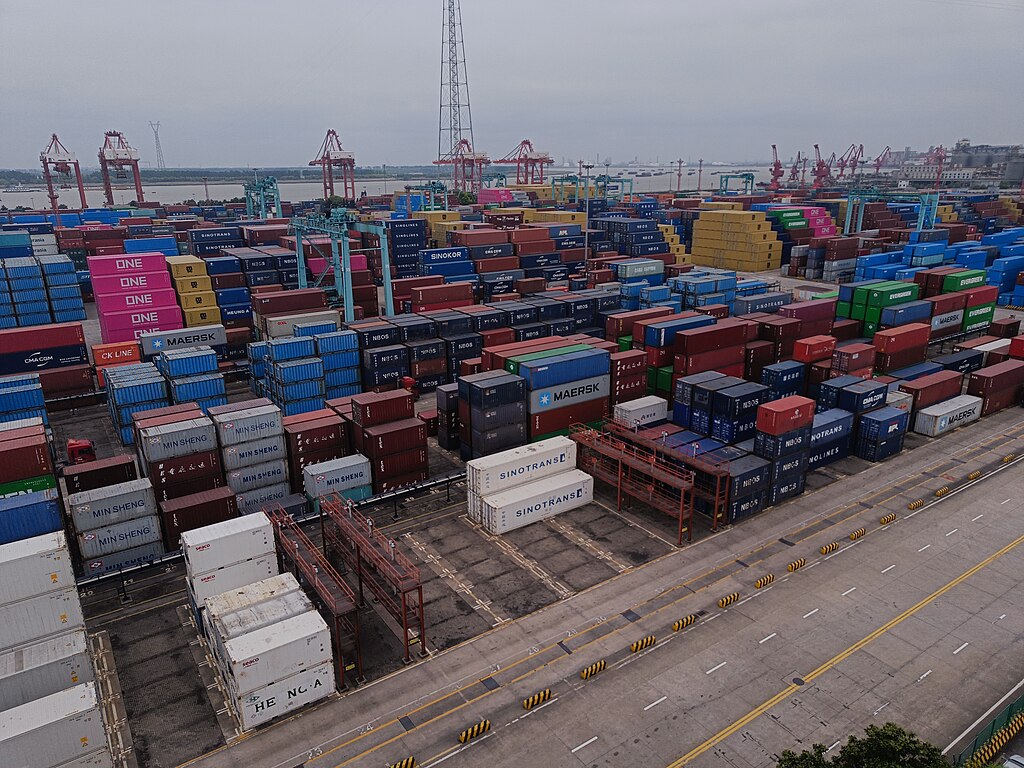
This policy could impact major global shipping firms, including Switzerland’s MSC, Denmark’s Maersk, Germany’s Hapag-Lloyd, and Taiwan’s Evergreen Marine. U.S. officials will also urge allies to adopt similar measures or face potential retaliation. Additionally, tariffs will be placed on Chinese cargo-handling equipment.
The move, framed as a national security and economic strategy, follows growing bipartisan concerns over China’s expanding maritime influence. French shipping giant CMA CGM, the world’s third-largest container line, recently announced plans to expand its U.S.-flagged American President Lines fleet from 10 to 30 ships, anticipating the potential impact of these fees.
While U.S. and Chinese officials have yet to comment, the shipping industry braces for disruptions as Washington takes steps to counter Beijing’s grip on the global supply chain.