


 Countries Tighten Social Media Bans for Children
  OpenAI Rejects Apple Trade Secret Theft Claims
  AfD Eyes Historic Win in Saxony-Anhalt Election
  New Zealand Labour Backs Social Media Ban for Under-16s
  Pinterest Stock Falls as CFO Julia Brau Donnelly Resigns
  Australia Plans New Rules Giving Users Control Over Social Media Feeds
  Kyiv Mothers Give Birth Amid Russian Drone Attacks
  Israel Strikes Southern Lebanon After Hezbollah Drone Attack
  Bolivia Military Barracks Explosion Kills Nine
  Nvidia CEO Says AGI Has Arrived With OpenAI GPT-6 Astra
  Flavio Bolsonaro Rallies Brazil Opposition Ahead of Election
  Iran Vows Tougher Response as US Sanctions Squeeze Economy
  US Tech Giants’ AI Bond Boom Raises Euro Zone Borrowing Risks
  Iran Threatens US With ‘Economic Warfare’ as Gulf Tensions Rise
  Adobe Names Anil Chakravarthy CEO as AI Push Accelerates
  Merz Rejects AfD Alliance After Saxony-Anhalt Surge


 Add as a preferred source on Google
The Republican-led U.S. Senate voted 99-1 on Tuesday to eliminate a 10-year federal moratorium on state-level regulation of artificial intelligence (AI), marking a major shift in the ongoing debate over AI governance. The amendment, introduced by Senator Marsha Blackburn (R-TN), was passed during a marathon legislative session known as a "vote-a-rama" as part of President Trump’s sweeping tax and spending bill.
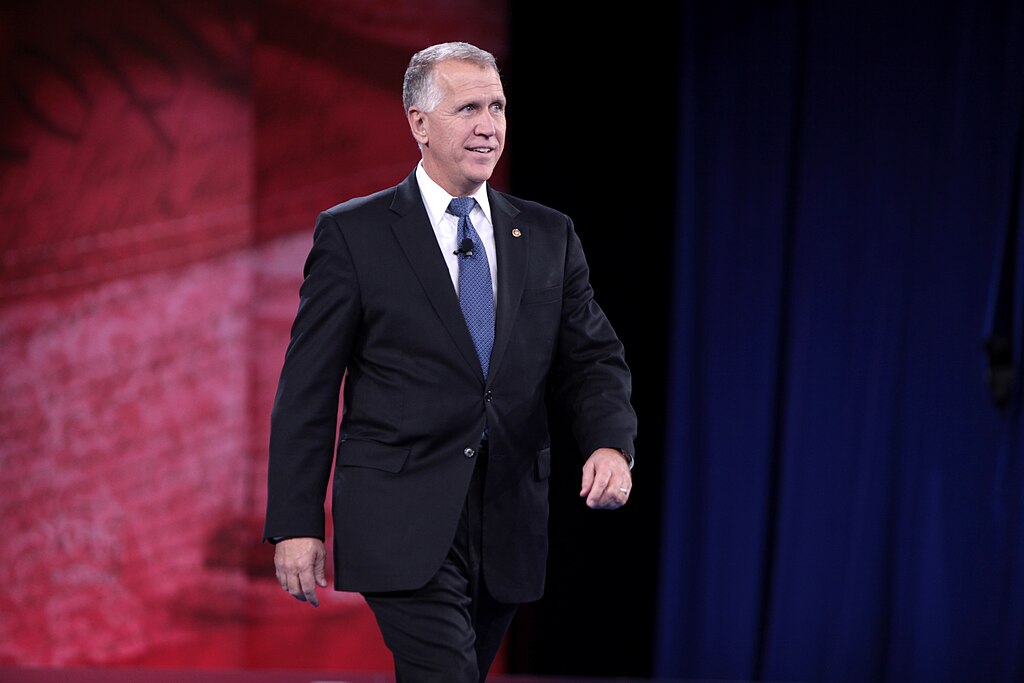
Senator Thom Tillis (R-NC) was the only senator to oppose the amendment, favoring the original provision that restricted states from regulating AI. The initial bill included a $500 million federal fund to support AI infrastructure but barred states from accessing it if they implemented their own regulations.
Leading AI companies like OpenAI and Google (NASDAQ:GOOGL) have pushed for a unified federal framework to prevent a fragmented patchwork of state laws that could hinder innovation and product deployment. However, Blackburn argued that states must retain the ability to protect their citizens, especially in areas such as child safety and artists’ rights.
Although Blackburn initially agreed to a compromise with Senator Ted Cruz (R-TX) to shorten the ban to five years and allow limited state regulation, she later withdrew support for the watered-down proposal. She emphasized that the existing language failed to safeguard vulnerable communities and called for Congress to prioritize comprehensive federal legislation like the Kids Online Safety Act and broader online privacy measures.
The Senate's decision reflects growing bipartisan recognition of the need for flexible AI oversight, allowing states to fill regulatory gaps while Congress works toward a national framework. The legislative outcome signals a pivotal moment in U.S. AI policy, balancing innovation with consumer protection.







