


 Trump Administration Pauses Visa Appointments Worldwide
  Google Changes EU Spam Policy Amid Antitrust Scrutiny
  Iran Economic Crisis Forces Afghan Families to Return Home
  New Zealand Labour Backs Social Media Ban for Under-16s
  Australia Plans New Rules Giving Users Control Over Social Media Feeds
  Ovechkin Faces Scrutiny Over United Russia Campaign Video
  What is Zionism? The different meanings of a contested term
  Yemen Fighting Threatens Red Sea Oil Routes
  Australia Tightens Student Visa Rules, Targets Migration Cut by 2028
  Who should own the knowledge that underpins AI technology?
  DOJ Will Investigate AI-Related Crimes, Attorney General Blanche Says
  US Judge Dismisses Imran Ahmed Deportation Lawsuit
  U.S. Imposes New Visa Restrictions Over South Africa Policies
  US Bans Canadian Alcohol, Motorcycles as Trade War Escalates
  US Officials Meet Houthis in Oman Amid Yemen Offensive
  Judge Blocks Trump Rule Limiting Foreign Student Visas
  Guterres Urges Stronger Global AI Safeguards Ahead of UN Assembly


 Add as a preferred source on Google
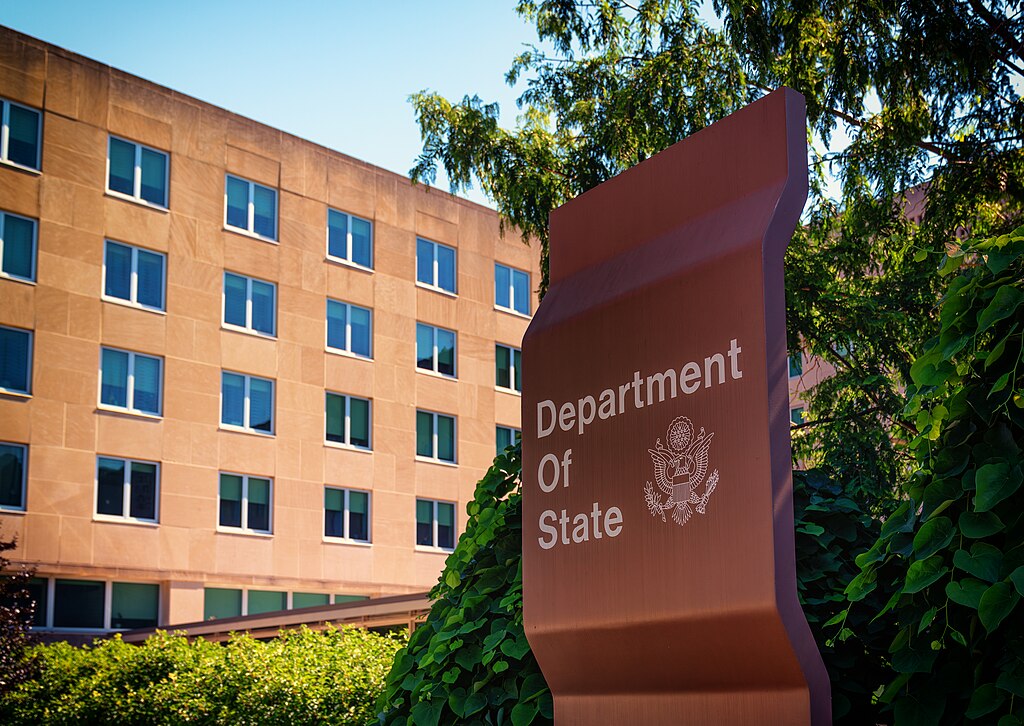
The U.S. State Department has ordered American missions worldwide to review all foreign aid programs to ensure compliance with newly expanded rules under the Trump administration that restrict funding related to family planning, diversity, equity, and what officials describe as “gender ideology.” According to a State Department cable reviewed by Reuters, the changes stem from an expanded version of the Mexico City Policy, commonly known by critics as the “global gag rule.”
Originally introduced in 1984, the Mexico City Policy prohibited U.S. funding for foreign organizations involved in abortion-related services. Under the latest expansion, announced last week, the policy now also blocks funding for groups working on diversity, equity and inclusion initiatives, gender identity issues, and transgender rights. The revised rules significantly broaden the scope of affected foreign aid to an estimated $30 billion and, for the first time, extend certain restrictions to U.S.-based organizations.
The cable instructs State Department bureaus and overseas posts to begin evaluating aid projects and consider forming specialized teams to oversee implementation. The new rules take effect on February 26 and will be incorporated into all new grants, as well as existing projects when additional funding is allocated. Officials anticipate that some organizations will decline U.S. funding rather than comply, and the department has set up an internal channel to track those decisions.
Secretary of State Marco Rubio is expected to issue limited waivers to prevent disruption to essential humanitarian efforts, including lifesaving programs and disaster response. However, aid groups and civil society organizations have expressed strong opposition, warning that the policy will further destabilize an already strained global aid sector.
Critics argue the expanded restrictions will undermine women’s rights, gender-based violence prevention, and peacebuilding initiatives, particularly in developing and conflict-affected regions. The Trump administration maintains the overhaul aligns foreign assistance with priorities focused on saving lives, supporting allies, and advancing U.S. economic interests, while excluding programs tied to what it calls divisive social agendas.







