


 Iran Refuses to Halt Uranium Enrichment Amid US Nuclear Demands
  US Stock Futures Flat as Fed Minutes, Earnings Loom
  Asian Currencies Steady as Dollar Eyes Fourth Weekly Gain
  Bangladesh GDP Growth Accelerates to 4.6% on Industrial Rebound
  Wall Street Falls as Oil Prices Rise and Tech Stocks Slide
  US Treasury Yields Ease After Strong 10-Year Auction as Global Bonds Struggle
  US Dollar Hits 18-Month High as Fed Signals More Rate Hikes
  France to Release 10 Million Barrels of Diesel to Ease Fuel Prices
  Dollar Near 18-Month High as Euro, Yen and Pound Weaken
  Crypto Market Selloff Wipes Out $100B as Bitcoin Falls Below $83K
  US-Led Coalition Targets Global Factory Overcapacity
  Gold Prices Rise as Dollar Weakens, Treasury Yields Fall
  Gold Prices Fall as Fed Signals Another Rate Hike
  Oil Prices Trim Gains After Trump Rules Out Iran Strikes Before Midterms
  Indian Stocks Fall as RBI Hikes Rates to 5.50%
  US, EU Push for Action Against Asia’s Excess Factory Capacity


 Add as a preferred source on Google
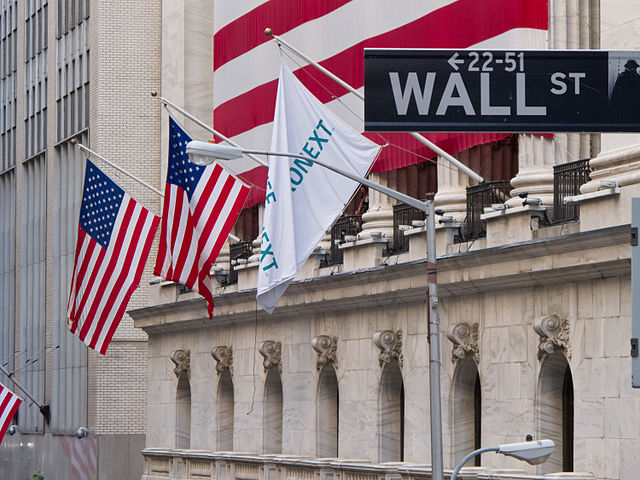
U.S. stock index futures pared earlier losses on Sunday night after Iran reported progress in ongoing peace negotiations held in Switzerland, easing investor concerns about escalating geopolitical tensions in the Middle East.
S&P 500 futures fell 0.4% to 7,539.25, while Nasdaq 100 futures declined 0.4% to 30,592.0. Dow Jones futures were down 0.3% at 51,848.0 as of 22:45 ET (02:45 GMT). The futures market initially reacted negatively after U.S. President Donald Trump threatened additional military action against Iran despite ongoing diplomatic efforts.
Investor sentiment had been supported before the weekend by optimism surrounding a preliminary U.S.-Iran peace framework. Strong gains in technology and semiconductor stocks, fueled by continued enthusiasm for artificial intelligence (AI), also helped Wall Street finish higher on Thursday. U.S. markets remained closed on Friday in observance of the Juneteenth holiday.
Iranian Foreign Minister Abbas Aragchi described the Switzerland talks as making “major progress,” particularly regarding efforts to resolve the conflict in Lebanon. Pakistani and Qatari mediators also reported encouraging developments, noting that both Washington and Tehran agreed to continue technical discussions in the coming days.
However, uncertainty remains. Trump warned that Iran must restrain Hezbollah, the Lebanese militant group it supports, or face potential U.S. military action. Following the remarks, Iranian media reported that Tehran’s delegation left the negotiation venue and refused to rejoin direct talks, though communication continued through mediators.
The United States and Iran previously agreed to a 14-point memorandum of understanding aimed at ending hostilities and reopening the Strait of Hormuz. Despite this breakthrough, disagreements over Lebanon remain a major obstacle. Iran has accused both the U.S. and Israel of violating the agreement due to ongoing Israeli military operations against Hezbollah targets.
Meanwhile, investors are also focusing on key U.S. economic data this week, including PMI reports, revised first-quarter GDP figures, and the May Personal Consumption Expenditures (PCE) Price Index. The PCE report, the Federal Reserve’s preferred inflation measure, could provide important clues about future interest rate decisions and broader market direction.







