


 US Bans Canadian Alcohol, Motorcycles as Trade War Escalates
  Global Poll Shows Rising Trust in Institutions as US-China Leadership Support Falls
  Sweden Election: Centre-Left Holds Narrow Lead
  Trump Grants Clemency to Jay-Z Associate Emory Jones
  US Sailor’s Father Detained by Immigration Authorities
  Ovechkin Faces Scrutiny Over United Russia Campaign Video
  US Judge Dismisses Imran Ahmed Deportation Lawsuit
  Nvidia CEO Jensen Huang Expected at Trump-Xi State Dinner
  FDA Weighs Safety Standards for Psychedelic Therapies
  US Resumes Immigrant Visa Processing for Hungary, Poland
  New Zealand Moves to Ban Social Media for Children Under 16
  Australia Defends Social Media Algorithm Law Amid US Concerns
  Saudi Arabia Shuts East-West Oil Pipeline After Drone Attack
  US Confirms Weapons in Orbit as Space Tensions Rise
  U.S. Probes Apex Logistics Over Nvidia AI Chip Shipments to China
  What is Zionism? The different meanings of a contested term


 Add as a preferred source on Google
The United States has introduced new travel restrictions tied to the ongoing Ebola outbreak in the Democratic Republic of Congo (DRC), preventing U.S. citizens and nationals who have been in the country within the previous 21 days from boarding commercial flights bound for the United States.
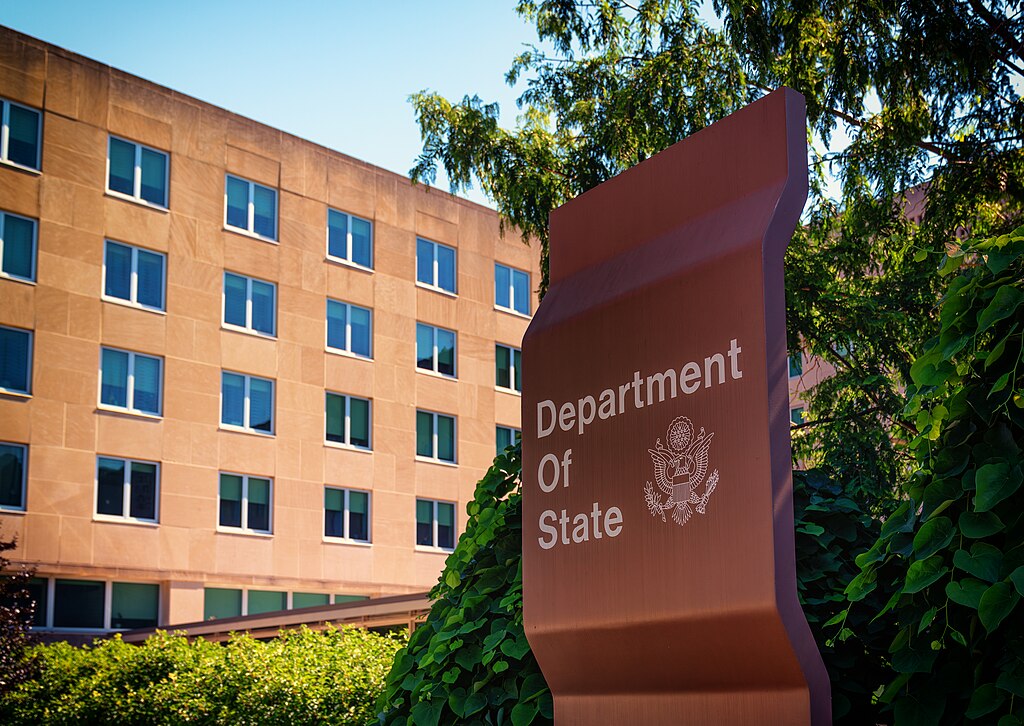
The U.S. State Department confirmed the measures on Wednesday, following reports that the Trump administration had imposed stricter entry rules to reduce the risk of Ebola transmission. According to the U.S. Embassy in the DRC, travelers who have been in Congo during the 21 days before their scheduled departure will not be permitted to board commercial flights to U.S. destinations.
The embassy also advised American citizens and U.S. nationals currently in the DRC to remain outside the country for at least 21 days before attempting to return to the United States. The policy applies regardless of citizenship status if travelers have recently been in the affected country.
The restrictions come as Congo continues to battle a worsening Ebola outbreak that has spread across multiple provinces. Official figures released by Congolese authorities on Sunday showed 1,926 confirmed Ebola cases nationwide, including 702 deaths, underscoring the severity of the public health emergency.
The move has sparked concern among some public health experts. Dr. Daniel Jernigan, a former senior official at the U.S. Centers for Disease Control and Prevention who helped lead the U.S. response during the 2014–2015 West Africa Ebola epidemic, described the policy as unprecedented when applied to U.S. citizens with little or no risk of infection.
Jernigan warned that preventing Americans from returning home through commercial aviation could create unintended consequences. He said the policy may shift medical and public health responsibilities to other countries, encourage travelers to hide their recent travel history or potential exposures, and make it more difficult to recruit American healthcare professionals and outbreak responders for Ebola response efforts.
The new restrictions highlight the Trump administration’s efforts to strengthen border health measures while balancing disease control with the challenges of international travel and global public health cooperation.







