U.S. stock index futures traded with little movement on Tuesday evening as investors closely monitored escalating tensions between the United States and Iran. Market participants remained cautious after reports indicated that Iran had launched new attacks across the Middle East, raising concerns about regional stability and the potential economic impact of a prolonged conflict.
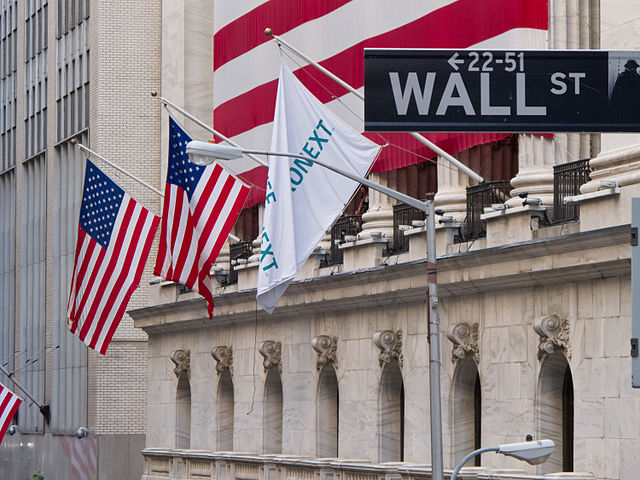
Futures tied to the S&P 500 held near 7,622.50, while Nasdaq 100 futures slipped 0.1% to 30,689.50. Dow Jones futures remained largely unchanged at 51,388. The muted performance followed a strong run on Wall Street, where major indexes recently reached record highs thanks to continued enthusiasm surrounding artificial intelligence and semiconductor stocks.
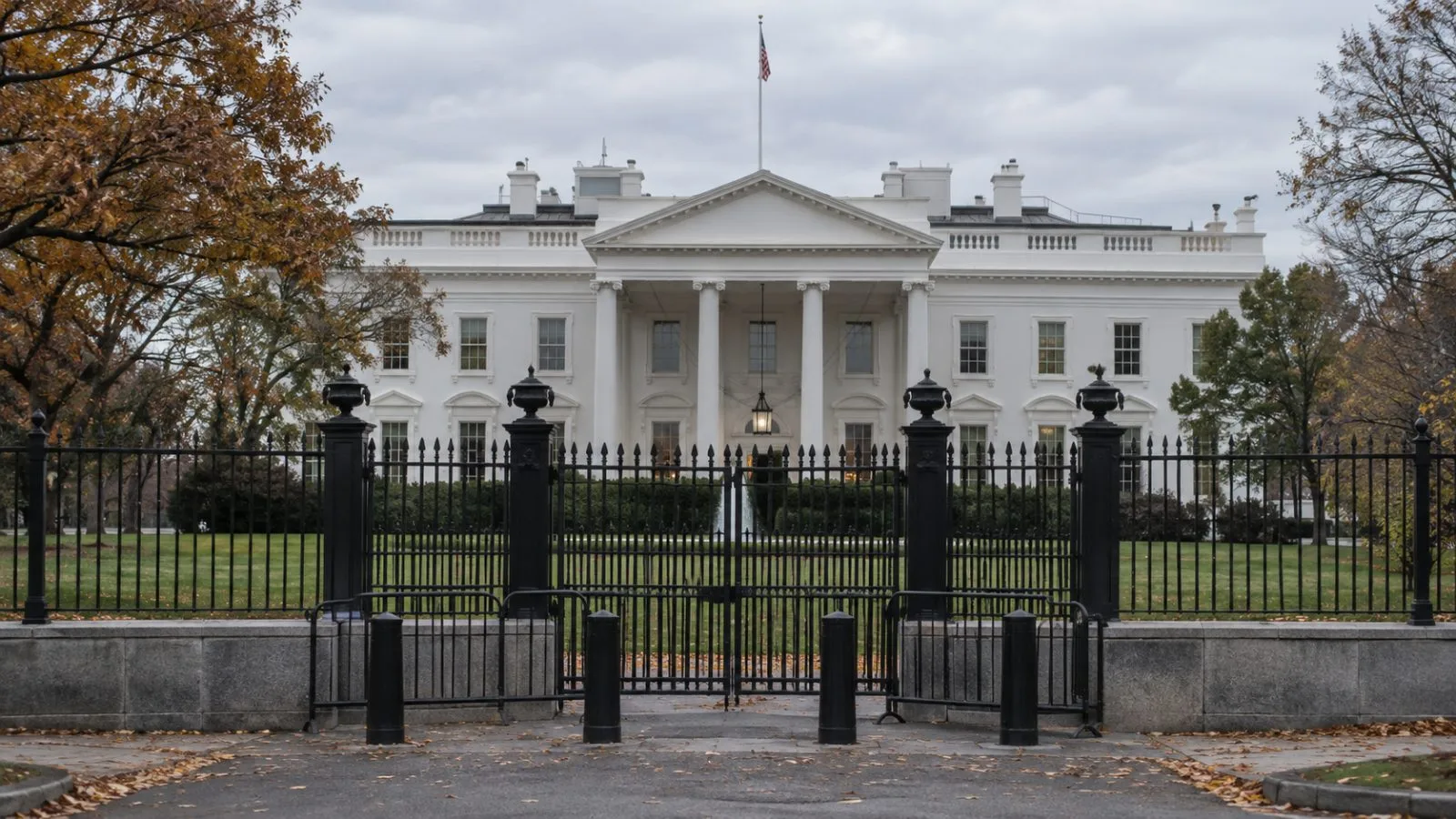
Geopolitical uncertainty remains a key focus for investors. The latest exchange of airstrikes between the United States and Iran marked the third such confrontation within a week. Efforts to secure a diplomatic agreement have shown limited progress, with Iranian media reporting that communication between Tehran and Washington has effectively stalled. This contrasts with recent statements from U.S. President Donald Trump, who suggested that a potential agreement could be reached soon.
Growing fears of an extended U.S.-Iran conflict have also supported oil prices. Crude oil markets rebounded sharply this week as traders assessed the risk of supply disruptions and higher energy costs. Rising oil prices have increased concerns that inflationary pressures could return, potentially affecting global economic growth and future Federal Reserve policy decisions.
Despite geopolitical risks, U.S. equities continued to show resilience. The S&P 500 gained 0.1% to close at 7,609.94, while the Nasdaq Composite edged higher to 27,093.90. The Dow Jones Industrial Average outperformed, advancing nearly 0.5% to 51,308.46.
Technology and semiconductor stocks remained the primary drivers of market gains. Marvell Technology surged almost 30% after Nvidia CEO Jensen Huang expressed confidence that the company could eventually achieve a valuation exceeding $1 trillion. Nvidia also provided additional momentum to the sector by unveiling new products and innovations, reinforcing investor optimism about the long-term growth potential of artificial intelligence and advanced chip technologies.
As investors balance strong AI-driven market momentum against geopolitical uncertainty and inflation concerns, global financial markets are likely to remain highly sensitive to developments involving both the technology sector and the ongoing U.S.-Iran situation throughout 2026.