


 Fed Unveils Stablecoin Rules Under GENIUS Act
  Soybean Futures Slip as Traders Await Trump-Xi Trade Signals
  Wall Street Falls as Treasury Yields Surge, Oil Rebounds on Iran Tensions
  US, China Extend Trade Truce to Jan. 10 Ahead of Trump-Xi Summit
  Russian Envoy Dmitriev Heads to US for Ukraine Talks
  Oil Prices Jump 3% as Houthi Attack Revives Supply Fears
  Asian Stocks Fall as Bond Yields Surge Ahead of Trump-Xi Summit
  China’s ‘Lipstick King’ Says AI Won’t Replace Livestream Hosts
  Wall Street Ends Flat as Oil, Treasury Yields and Fed Jitters Rattle Markets
  Japanese Bank Stocks Surge as Bond Yields Fuel Rate Hike Bets
  Gold Prices Fall as Treasury Yields Rise on Fed Rate Hike Bets
  US Stock Futures Fall as Treasury Yields Surge Ahead of Trump-Xi Summit
  Oil Prices Ease as Iran Tensions Clash With Diplomacy Hopes
  South Korea, US Discuss Warship Building Cooperation
  Asian Stocks Fall as Surging Bond Yields Rattle Markets
  RBI Uses $10 Billion Currency Swaps to Drain Excess Rupee Liquidity
  Trump, Xi Focus on Trade and AI at White House Summit


 Add as a preferred source on Google
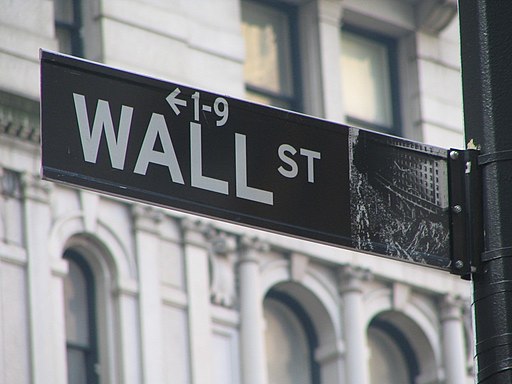
U.S. stock index futures showed minimal movement on Thursday evening following a rough session on Wall Street, where all three major indexes closed in the red amid sharp swings in oil prices and growing uncertainty around Federal Reserve monetary policy.
S&P 500 Futures edged up 0.1% to 6,669.0, Nasdaq 100 Futures rose 0.1% to 24,600.25, and Dow Jones Futures gained 0.2% to 46,424.0 as of 8:10 PM ET. These modest after-hours gains came after the Dow Jones Industrial Average dropped 0.4% during the regular session, while both the S&P 500 and Nasdaq Composite each declined approximately 0.3%.
A dramatic intraday surge in Brent crude oil to nearly $119 per barrel rattled investor confidence, with escalating tensions in the Middle East raising fears over global energy supply. The spike stoked concerns about renewed inflationary pressure, though prices retreated before the close. Some relief came after Israeli Prime Minister Benjamin Netanyahu confirmed Israel was supporting U.S. efforts to reopen the Strait of Hormuz, a vital oil shipping corridor. President Donald Trump also urged Israel to halt further strikes on Iranian gas infrastructure, helping to ease supply disruption fears.
Adding to market pressure, the Federal Reserve held interest rates steady on Wednesday, with Chair Jerome Powell cautioning that elevated oil prices could complicate the central bank's efforts to bring inflation under control. The Fed's cautious tone reinforced a hawkish outlook among investors, who have now drastically scaled back expectations for near-term rate cuts. According to the CME FedWatch tool, markets are pricing in little to no chance of a rate reduction before mid-2027, cementing a "higher-for-longer" interest rate environment that continues to weigh on risk appetite across equity markets.







