The United States launched a new wave of military strikes against Iran on Tuesday and revoked a key license allowing Tehran to sell oil, escalating tensions after multiple commercial tankers were hit by projectiles in the Strait of Hormuz despite an existing ceasefire.
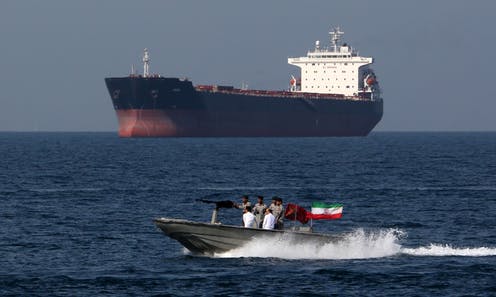
U.S. Central Command (CENTCOM) said it struck more than 80 Iranian targets, including over 60 Islamic Revolutionary Guard Corps (IRGC) boats, along with air defense systems, coastal surveillance sites, anti-ship missiles, surface-to-air missiles and drone launch facilities. The operation was described as an effort to weaken Iran’s ability to threaten commercial shipping and protect freedom of navigation.
Iran’s Khatam al-Anbiya Central Headquarters condemned the strikes as a "blatant act of aggression," warning of a "crushing response" and rejecting U.S. involvement in the strategic waterway. Iranian media later reported explosions near Kharg Island, Iran’s primary oil export hub, as well as Qeshm Island, Sirik and Bandar Abbas. Several people were reportedly injured, while fishing boats and commercial piers sustained damage.
The latest escalation threatens last month's U.S.-Iran ceasefire, which paused months of conflict and opened a 60-day window for negotiations on a permanent agreement. Talks have since stalled, raising fears of renewed hostilities.
Washington also withdrew a Treasury license that had temporarily allowed Iranian crude oil and petrochemical exports through August 21, ordering all related transactions to end by July 17. The move pushed Brent crude prices more than 3% higher as investors weighed potential disruptions to global oil supplies.
Iran's Foreign Ministry called the decision a violation of the ceasefire framework and vowed to take all necessary measures to protect the country's interests. Meanwhile, Qatar accused Iran of attacking three commercial vessels, including the LNG tanker Al Rekayyat, while a Saudi-flagged supertanker was also reportedly damaged near Oman. Tehran denied responsibility, saying shipping risks increased when vessels used routes not coordinated with Iranian authorities.
The crisis unfolded as Iran continued national mourning ceremonies for slain Supreme Leader Ayatollah Ali Khamenei. President Donald Trump reiterated that the United States would either secure a deal with Iran or "finish the job," while Iranian Foreign Minister Abbas Araqchi warned meaningful negotiations cannot begin as long as military threats continue.