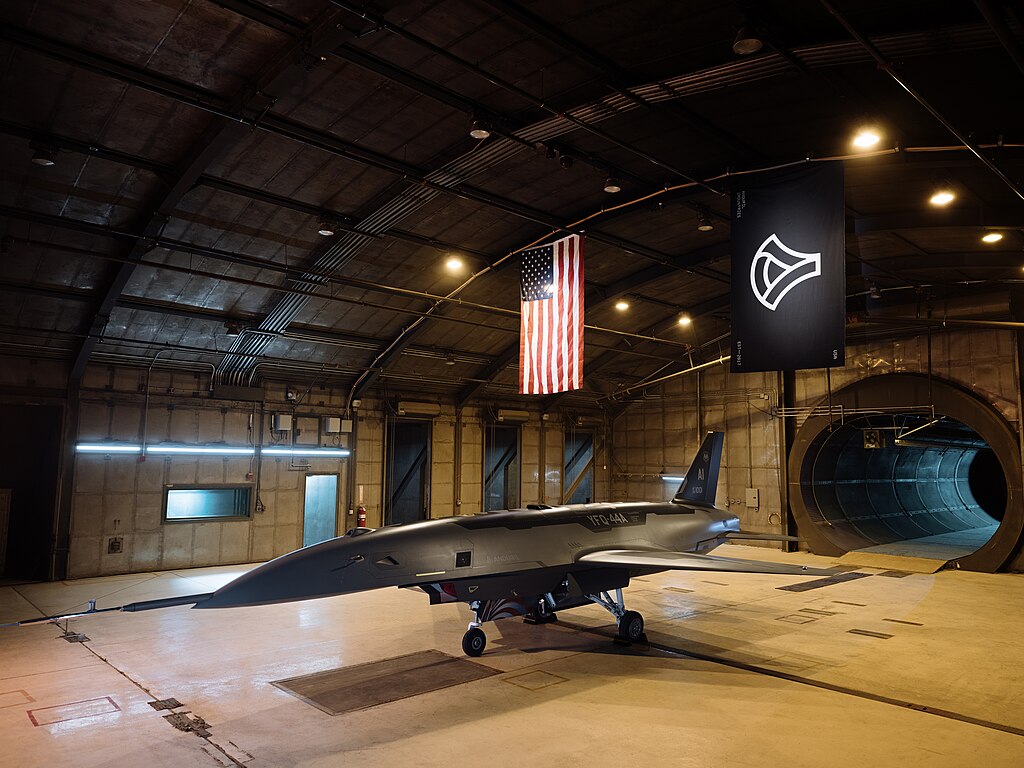
A recent U.S. military test at Florida’s Eglin Air Force Base exposed significant issues with Anduril Industries’ Altius drones after two units crashed during separate flights. According to an Air Force test summary, one drone plunged roughly 8,000 feet moments after release, while another spiraled into the ground during a later demonstration. These incidents, reported for the first time, come as Anduril positions itself as a leading force in next-generation defense technology.
Backed by surging investment and valued at $30.5 billion, Anduril has promoted its Altius drones as combat-ready assets capable of surveillance, long-range strikes, and multi-platform launches. Founder Palmer Luckey has touted their battlefield success in Ukraine, claiming the drones have eliminated high-value Russian targets. The company says it has shipped hundreds of systems to Kyiv and recently delivered additional models to Taiwan.
However, interviews with former employees, military officials, and Ukrainian drone operators reveal gaps between Anduril’s claims and real-world performance. Western drones overall have played a limited role in Ukraine, with officials noting that 96% of drones deployed in 2024 were domestically produced. Sources say Anduril’s earlier Ghost drones struggled against Russian electronic warfare, prompting the development of the Ghost X. Yet even the updated model has faced setbacks, including a widely circulated crash at a U.S. Army exercise in Germany.
Anduril maintains that such failures are expected during aggressive testing cycles meant to accelerate innovation. The company points to thousands of flight hours and ongoing software updates conducted alongside soldiers in combat zones. The U.S. military acknowledges that system failures are common when experimenting with emerging technologies, but the timing is notable: the Pentagon announced a contract worth up to $50 million for additional Altius drones on the same day as the failed demonstration.
Despite recent challenges, Anduril continues expanding its autonomous weapons portfolio—from advanced warship projects to new high-end surveillance drones. As modern warfare shifts toward mass-produced, rapidly iterated systems, the performance of platforms like Altius and Ghost remains under close scrutiny from the Pentagon, Ukraine, and global defense partners.