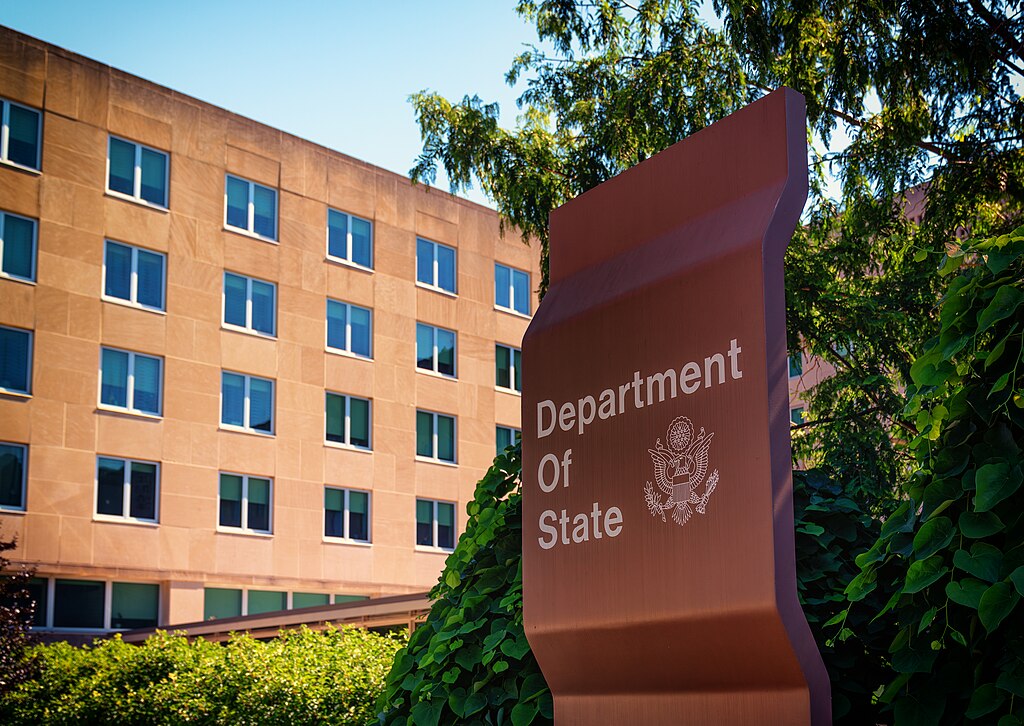
The United States has urged state governments and private businesses to strengthen their engagement with Taiwan after raising concerns that Chinese officials have been attempting to discourage such relationships. According to joint letters issued by the U.S. Departments of State, Commerce, and Agriculture, Beijing has been contacting U.S. states and companies while allegedly misrepresenting Washington's long-standing policy on Taiwan.
The letters, dated June 16 and later released by the American Institute in Taiwan, state that Chinese embassies and consulates have regularly reached out to governors' offices and business leaders in an effort to discourage cooperation with Taiwan. U.S. officials claim that these communications often provide misleading information about the U.S. "One China" policy, including assertions that Washington supports Beijing's position regarding Taiwan's sovereignty.
The U.S. government emphasized that its official policy does not recognize China's claim over Taiwan, nor does it take a formal position on the island's sovereignty. Officials encouraged state governments and private organizations to contact the State Department if they experience pressure or influence attempts from Chinese representatives related to Taiwan.
The letters also highlight Taiwan's growing importance in global trade, technology, and supply chains. As one of America's key economic and democratic partners in the Indo-Pacific region, Taiwan has maintained strong commercial and cultural ties with U.S. states and businesses for decades. Officials noted that expanding cooperation with Taiwan could create new opportunities in sectors such as agriculture, commerce, investment, and advanced technology.
The message sent to U.S. governors described Taiwan as a trusted partner and a successful democracy that shares common values with the United States. It encouraged local governments to pursue stronger economic and cultural partnerships that benefit both sides.
China has consistently opposed official interactions between the United States and Taiwan, viewing the self-governed island as part of its territory. While Beijing had not immediately responded to the letters, the issue remains a significant source of tension in U.S.-China relations as Washington continues to promote deeper economic and strategic cooperation with Taiwan.