The United States is reportedly considering a plan to redirect frozen Iranian assets to help Gulf allies rebuild infrastructure damaged in recent attacks linked to Tehran, according to a Reuters report published on Saturday.
A source familiar with the matter said U.S. Treasury Secretary Scott Bessent has instructed officials to assess the extent of damage suffered by American partners in the Gulf region and examine whether Iranian assets held under U.S. control could be used to fund reconstruction and recovery projects.
The proposal comes amid escalating tensions in the Middle East following Iranian-linked attacks targeting Kuwait and Bahrain. The incidents have added new strain to ongoing efforts by Washington and Tehran to negotiate an interim peace agreement aimed at reducing regional instability.
Frozen Iranian assets have become a major point of contention in the talks. An adviser to Iran’s Supreme Leader recently stated that any future agreement would require the release of approximately $24 billion in Iranian funds currently frozen by the United States. However, diplomatic progress remains limited, with both sides continuing to disagree on key issues.
Pakistan has attempted to mediate between the two countries, reportedly sending Interior Minister Mohsin Naqvi to Tehran with a message for Supreme Leader Mojtaba Khamenei. Despite these efforts, negotiations have shown little sign of a breakthrough.
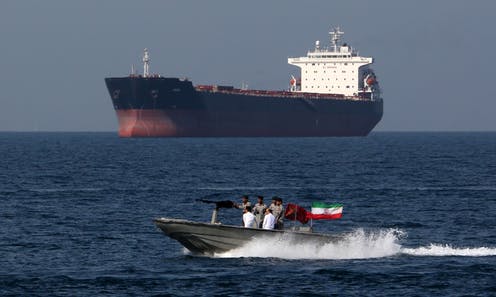
Military activity in the region has also intensified. U.S. Central Command announced strikes on Iranian radar facilities located on Qeshm Island and in Goruk after intercepting drones that allegedly posed a threat to maritime traffic in the Strait of Hormuz. In response, Iran’s Revolutionary Guard claimed responsibility for ballistic missile attacks targeting U.S. military installations in Kuwait and Bahrain.
Kuwaiti authorities reported intercepting several missiles, preventing casualties despite property damage. Bahrain activated emergency warning systems and urged residents to seek shelter, while both nations strongly condemned the attacks.
The growing conflict continues to raise concerns about the stability of the fragile U.S.-Iran ceasefire. Key issues in negotiations include sanctions relief, access to frozen assets, regional security guarantees, and freedom of navigation through the Strait of Hormuz.
Global energy markets are closely monitoring developments, as disruptions in the Strait of Hormuz—one of the world’s most important oil shipping routes—could affect crude oil exports, energy prices, and international supply chains. Increased geopolitical uncertainty has already contributed to volatility across oil markets and heightened concerns over future energy security.