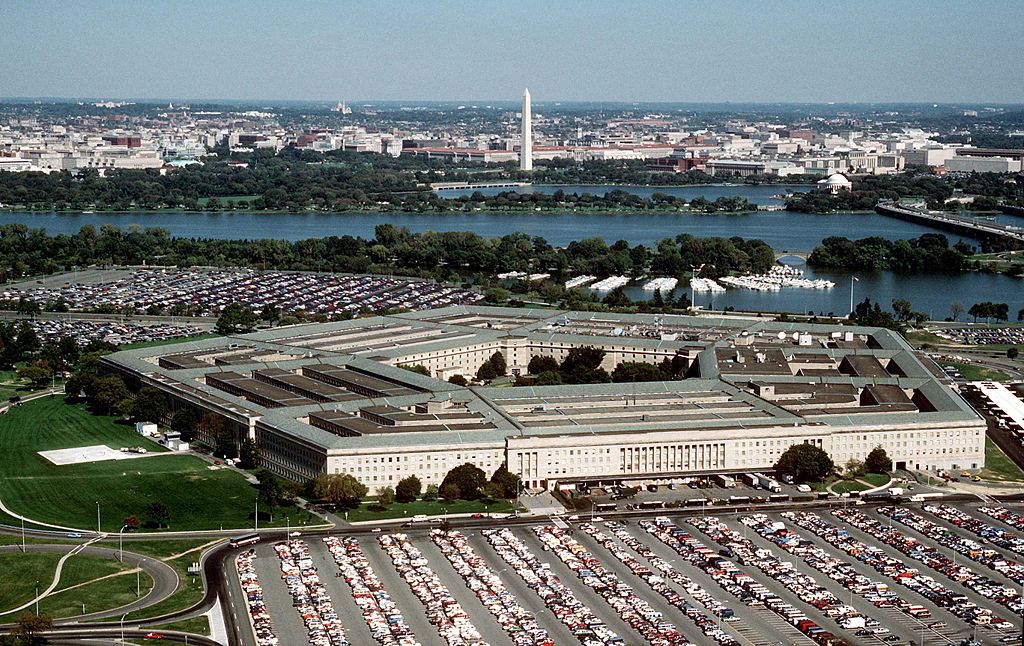
Senior military leaders from the United States and Israel recently held high-level talks at the Pentagon, underscoring growing concerns over rising tensions with Iran and broader Middle East security risks. According to two U.S. officials speaking anonymously to Reuters, U.S. General Dan Caine, Chairman of the Joint Chiefs of Staff, met behind closed doors with Israeli Chief of Staff Eyal Zamir on Friday. The discussions had not been publicly reported prior to the officials’ comments, and specific details of the meeting were not disclosed.
The meeting comes at a time when U.S.-Iran relations are increasingly strained. The United States has significantly strengthened its military posture in the Middle East, expanding its naval presence and reinforcing air defense systems across the region. These moves follow repeated warnings from President Donald Trump directed at Iran, aimed at pressuring Tehran to return to negotiations over its nuclear program and regional activities.
Iran’s leadership responded strongly over the weekend, warning that any direct U.S. military action could trigger a wider regional conflict. Iranian officials emphasized that escalating military pressure could destabilize the Middle East further, raising fears of confrontation involving multiple countries.
Following his Washington visit, Israeli Chief of Staff Eyal Zamir returned to Israel, where he met with Defense Minister Israel Katz on Sunday. According to Katz’s office, the two leaders reviewed the evolving regional security situation and assessed the Israeli military’s operational readiness for a range of potential scenarios. The meeting highlighted Israel’s focus on preparedness amid uncertainty surrounding Iran’s intentions and the possibility of escalation.
The talks between U.S. and Israeli military leadership reflect close defense coordination between the two allies as they navigate a complex geopolitical environment. With U.S. forces on heightened alert and Iran issuing stark warnings, analysts say military diplomacy and strategic planning will remain critical in the coming weeks. The Pentagon meeting signals continued cooperation on regional security, deterrence, and contingency planning as tensions show little sign of easing.