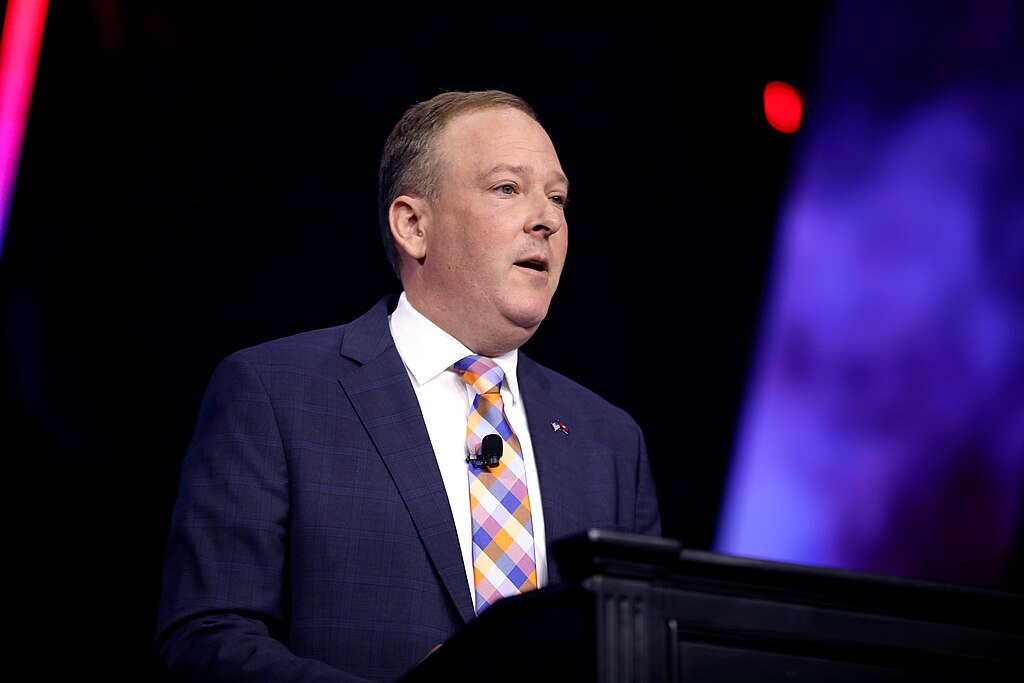
The United States and Mexico have reached a landmark agreement to tackle the decades-long sewage contamination from Tijuana flowing into the Pacific Ocean near San Diego. The memorandum of understanding, signed Thursday in Mexico City by U.S. Environmental Protection Agency (EPA) Administrator Lee Zeldin and Mexican Environment Minister Alicia Barcena, commits both nations to accelerated infrastructure upgrades and long-term solutions.
Mexico pledged to expedite $93 million in improvements to Tijuana’s sewage system, with several projects now scheduled for completion four years earlier than planned. The upgrades will address future population growth and critical maintenance needs. Concurrently, the U.S. will release funds to complete the expansion of its border sewage treatment plant by the end of August, boosting capacity from 25 million to 35 million gallons per day.
The cross-border sewage problem has plagued the Tijuana River and Imperial Beach for years, often forcing beach closures and harming local tourism. According to the International Boundary and Water Commission, up to 50 million gallons of sewage-contaminated water flows toward Imperial Beach daily, with roughly half consisting of untreated waste.
Barcena also confirmed Mexico’s plan to double capacity at the San Antonio de los Buenos plant, located just south of the border, which previously discharged 23 million gallons of untreated sewage into the ocean.
Officials hailed the deal as a breakthrough in bilateral cooperation amid broader tensions over immigration and drug trafficking. Zeldin called the agreement “a huge win” for millions on both sides of the border seeking an end to the environmental crisis. The improvements are expected to significantly reduce pollution and restore safe water access to coastal communities long affected by this transboundary issue.