


 Oil Prices Slip as Trump Rules Out Iran Strike Before Midterms
  Deutsche Bank CEO Urges Faster German Economic Reforms
  Asian Currencies Steady as Dollar Eyes Fourth Weekly Gain
  Mike Rogers Calls for End to US-Canada Tariff War
  FxWirePro: Daily Commodity Tracker - 21st March, 2022
  Crypto Market Selloff Wipes Out $100B as Bitcoin Falls Below $83K
  Iran Refuses to Halt Uranium Enrichment Amid US Nuclear Demands
  Gold Prices Hit One-Week High as Oil Falls, Fed Rate Outlook Weighed
  Asian Stocks Mixed as OpenAI Revenue Concerns Hit Chipmakers
  Wall Street Falls as Oil Prices Rise and Tech Stocks Slide


 Add as a preferred source on Google
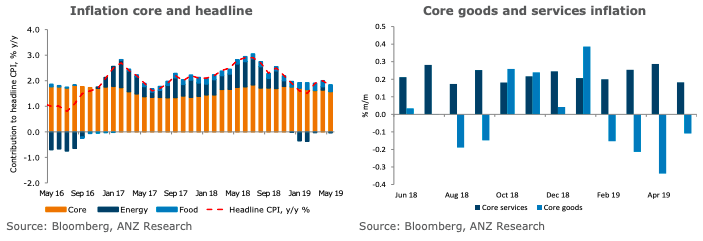
The United States’ core inflation is expected to rise by a 0.2 percent m/m in June after four consecutive months of just 0.1 percent. Underlying pricing pressures remain subdued. Domestic demand could use an extra bump to boost cyclical inflationary pressures, according to the latest report from ANZ Research.
The forecast pick-up in core inflation is predicated on an expected rebound in the prices of goods after contracting for four consecutive months. Both apparel and used vehicle prices should rise after a lengthy period of weakness.
That said, uncertainty surrounds the trajectory of apparel prices following Bureau of Labor Statistics’ (BLS) methodological change earlier this year. The BLS has expanded its sources of data to include outsourcing some of the data collection rather than relying only on its traditional in-house surveys.
Also likely contributing to higher goods prices in June should be the after effects of the US administration’s decision to raise the tariff rate on USD200bn of Chinese imports from 10% to 25% on 10 May.
This would add at most 0.1 ppt in total to the rate of inflation, according to analysis (Inflationary Effects of Trade Disputes with China) from the Federal Reserve Bank of San Francisco. Only a small part of this amount would likely occur in the month of June.
"We look to FOMC Chair Powell’s testimony and the June meeting minutes for guidance on the timing of easing. With the market pricing a 25bp cut in July as a done deal, Fed speakers need to push back if this is unwarranted. A further deterioration in global manufacturing and lackluster domestic inflation suggest that a cut is warranted soon," the report further commented.







