
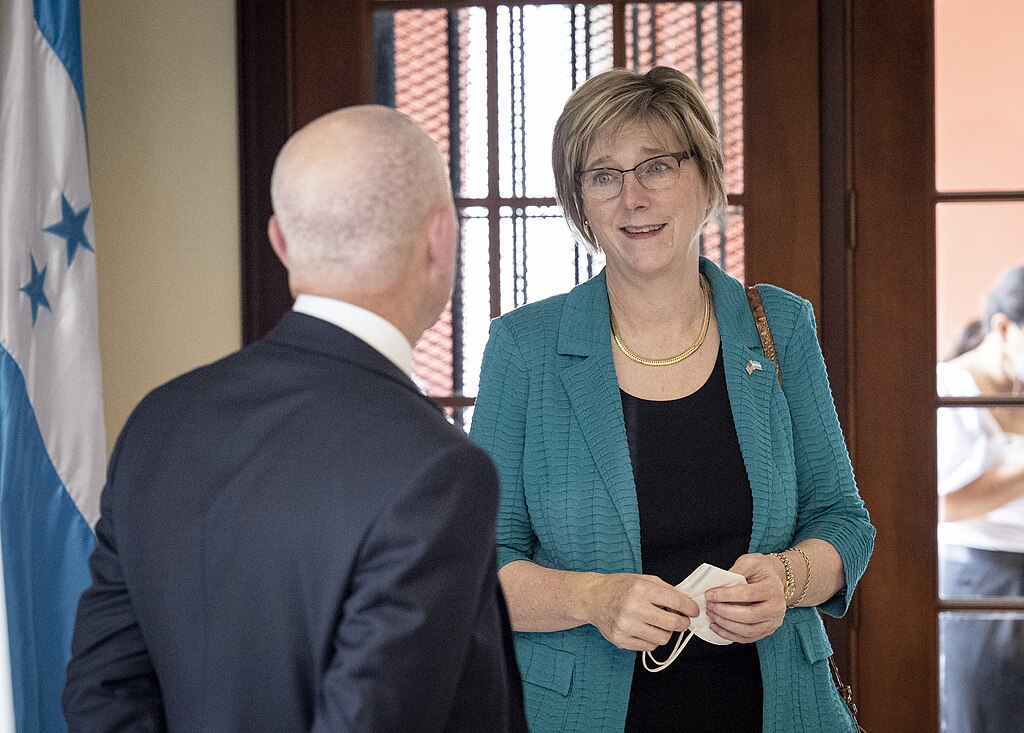
The gradual restoration of U.S.–Venezuela relations took a significant step forward as Laura Dogu, the top U.S. envoy for Venezuela, arrived in Caracas on Saturday. Her visit signals renewed diplomatic engagement between the two countries, whose formal relations were severed in 2019 following tensions with Venezuelan President Nicolás Maduro.
Venezuelan Foreign Affairs Minister Yván Gil confirmed the visit in a statement shared on Telegram, explaining that Dogu’s presence aims to help “establish a roadmap on matters of bilateral interest.” According to Gil, discussions are expected to focus on resolving long-standing disputes through diplomatic dialogue grounded in mutual understanding and international law. The visit reflects a cautious but notable shift toward normalized diplomatic communication between Washington and Caracas.
Laura Dogu, who previously served as U.S. ambassador to Honduras and Nicaragua, also acknowledged her arrival via a post on X. She stated that she and her team are prepared to begin work, underscoring the United States’ willingness to reengage diplomatically with Venezuela after years of strained relations.
This renewed dialogue comes amid dramatic political developments. On January 3, U.S. authorities captured President Nicolás Maduro and transported him to New York, where he was arraigned on narcoterrorism charges. Following his detention, Delcy Rodríguez assumed the role of Venezuela’s interim president and expressed interest in pursuing “balanced and respectful international relations” with the United States, marking a potential reset in bilateral ties.
Economic cooperation has also begun to reemerge. Both countries have reportedly reached an agreement allowing the export of up to $2 billion worth of Venezuelan crude oil to the United States. This deal represents a major shift in energy relations and could have broader implications for global oil markets.
Domestically, Rodríguez announced additional measures aimed at easing political tensions, including a proposed amnesty law for hundreds of prisoners. She also revealed plans to transform Caracas’ notorious Helicoide detention center into a facility for sports and social services. Together, these diplomatic, economic, and political developments suggest a cautious but meaningful warming of U.S.–Venezuela relations.


