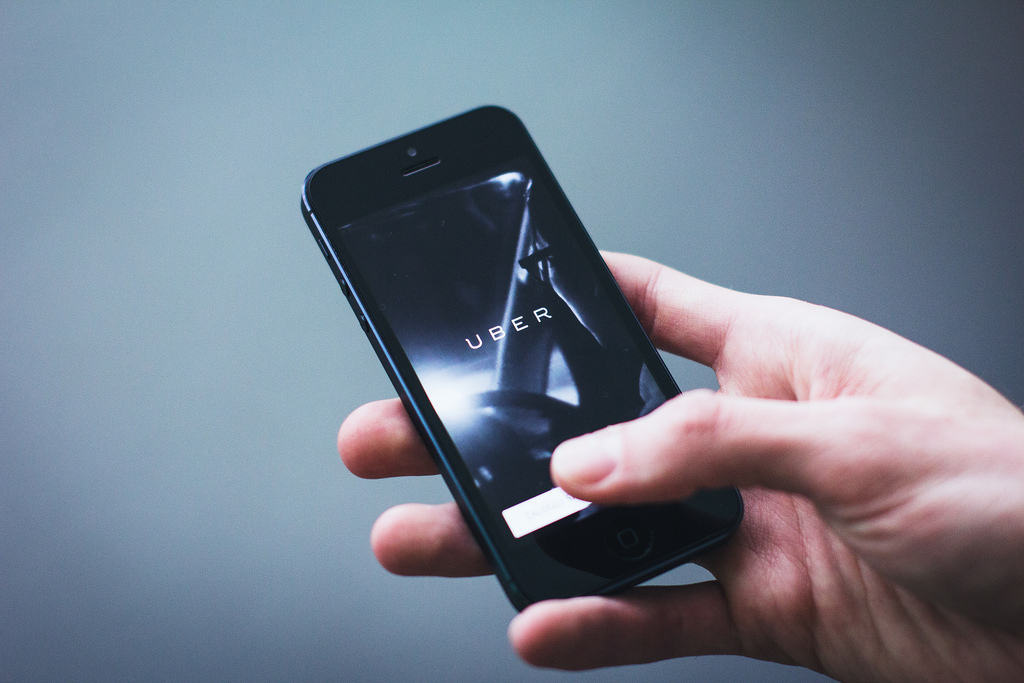
The cab-hailing company Uber is now being ordered by the Federal Trade Commission to pay out $20 million in settlement money for excessively exaggerating how much drivers could make. Uber also lied about how much drivers who applied for their car lease program would have to pay, resulting in applicants earning less and paying more when signing up with the company.
According to the complaint filed by the FTC, Uber advertised inflated hourly wages in order to lure in drivers with the promise of decent compensation for driving passengers around. When it came time to pay the piper or the driver, in this case, the check told a different story.
"Once Drivers have begun to receive their paychecks, Drivers have discovered their actual earnings were substantially less than Uber claimed," the complaint reads.
Among the inflated figures that Uber provided include the $18 an hour that Minneapolis drivers could supposedly make, while those in Boston could reportedly have earned $25 an hour. In reality, only about a tenth of the drivers in those cities even came close to those rates, Business Insider reports.
To top it all off, drivers who applied for the car lease program where Uber’s partners would provide vehicles to applicants also misled the drivers on how much they would be paying. The company touted the program, which lasted from 2013 to 2015, as having the “best financing options available,” but the rates were actually terrible when looking at individual driver credit scores.
For example, Uber claimed that the weekly rate would be around $120 or $140 depending on the partner, Mashable reports. According to the FTC, this number actually went up to as much as $200 on average, which means that some drivers paid even more for the lease. A lot of this is being attributed to Uber’s negligence in monitoring the partners and the deals being made, thus leaving drivers vulnerable.