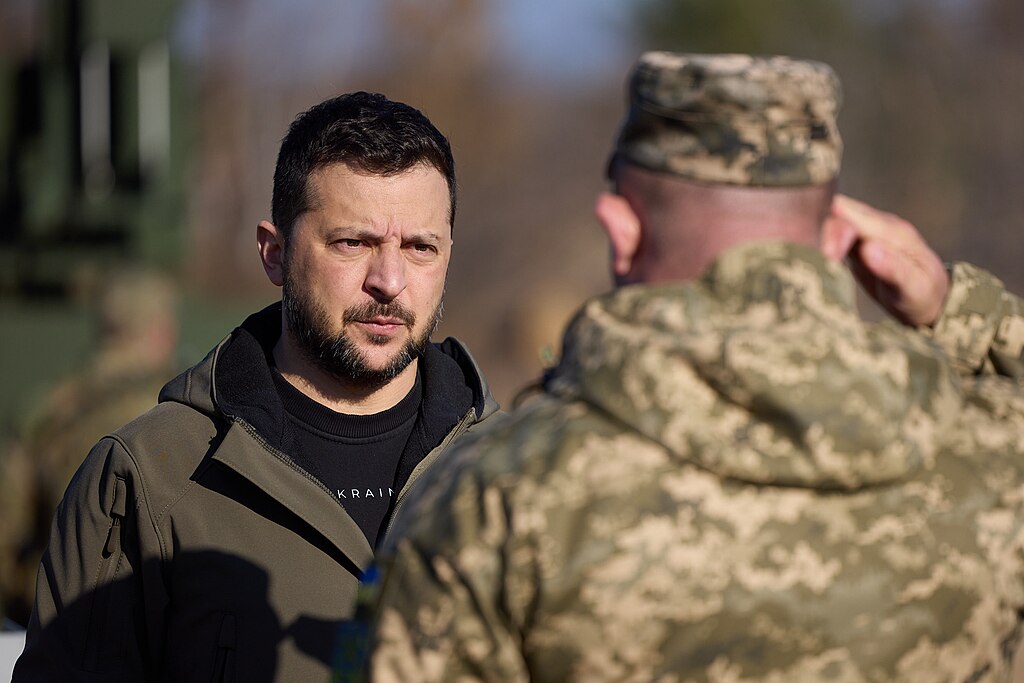
Ukrainian President Volodymyr Zelenskiy has stated that his country's military intelligence holds "irrefutable" proof that Russia is actively supplying intelligence to Iran — a move he warns is fueling further instability across the Middle East. Following a direct meeting with Ukraine's head of military intelligence, Zelenskiy took to social media platform X to make the accusation public, asserting that Moscow is leveraging both signals and electronic intelligence capabilities, including data gathered through partnerships with regional allies.
In his nightly video address, Zelenskiy escalated the rhetoric, citing "growing evidence" that Russia is deliberately channeling intelligence support to Tehran. He called the activity "clearly destructive" and urged all responsible nations to take action, arguing that the international community has a shared stake in preventing further regional destabilization. The Ukrainian leader also warned of wider economic consequences, pointing out that global markets are already responding negatively and that fuel supply chains in multiple countries are being disrupted as a direct result of the ongoing conflict escalation.
Zelenskiy further argued that by helping Iran improve its military strike accuracy and sustain its regime, Russia is effectively extending the duration of the war in the Middle East. The comments come just days after the Kremlin publicly denied a Wall Street Journal investigation alleging that Russian officials had been sharing satellite imagery and advanced drone technology with Iran, labeling the report as "fake news."
The allegations highlight a deepening geopolitical entanglement between Moscow and Tehran, raising serious concerns among Western governments and security analysts. As the Russia-Ukraine war continues and tensions in the Middle East remain high, the potential consequences of military intelligence sharing between two globally sanctioned states could have far-reaching implications for international peace and energy market stability.