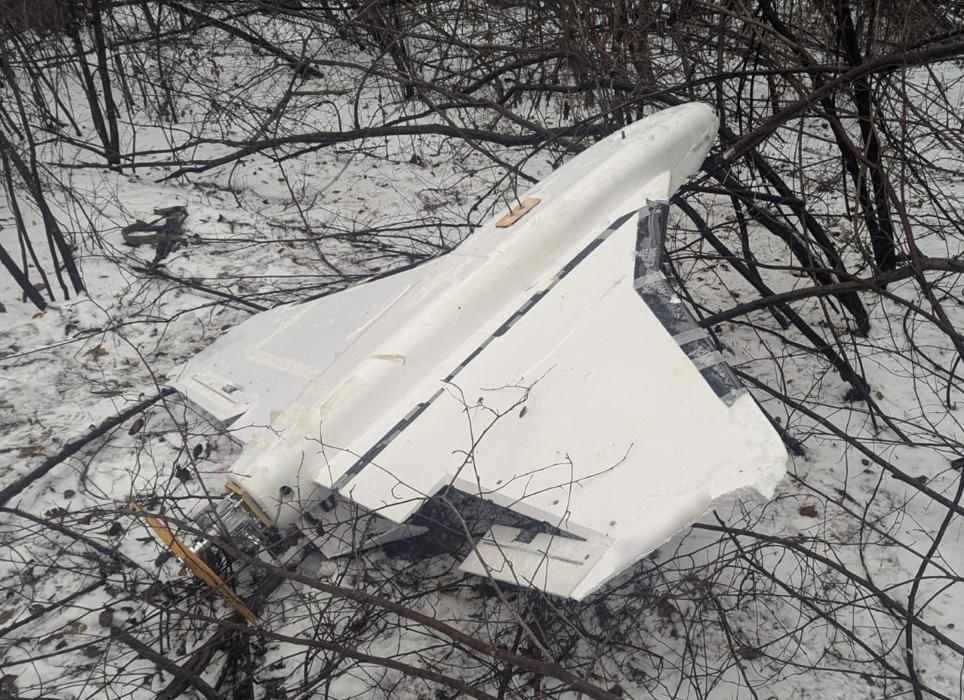
Ukraine's Defence Ministry has announced a groundbreaking shift in its military strategy, unveiling an integrated combat model that merges drone technology with traditional infantry operations. This innovative approach combines aerial and ground-based unmanned systems with foot soldiers into one unified fighting force — a development that military analysts say could redefine modern warfare on the Eastern European front.
According to an official statement released via Telegram, the new drone-assault units have already demonstrated measurable success in southern Ukraine. Since February, Ukrainian forces have reportedly liberated a significant stretch of Russian-occupied land, crediting the achievement directly to these technologically advanced combat units. The integration of unmanned systems into frontline operations marks a decisive evolution in how Ukraine is choosing to fight back against Russian military pressure.
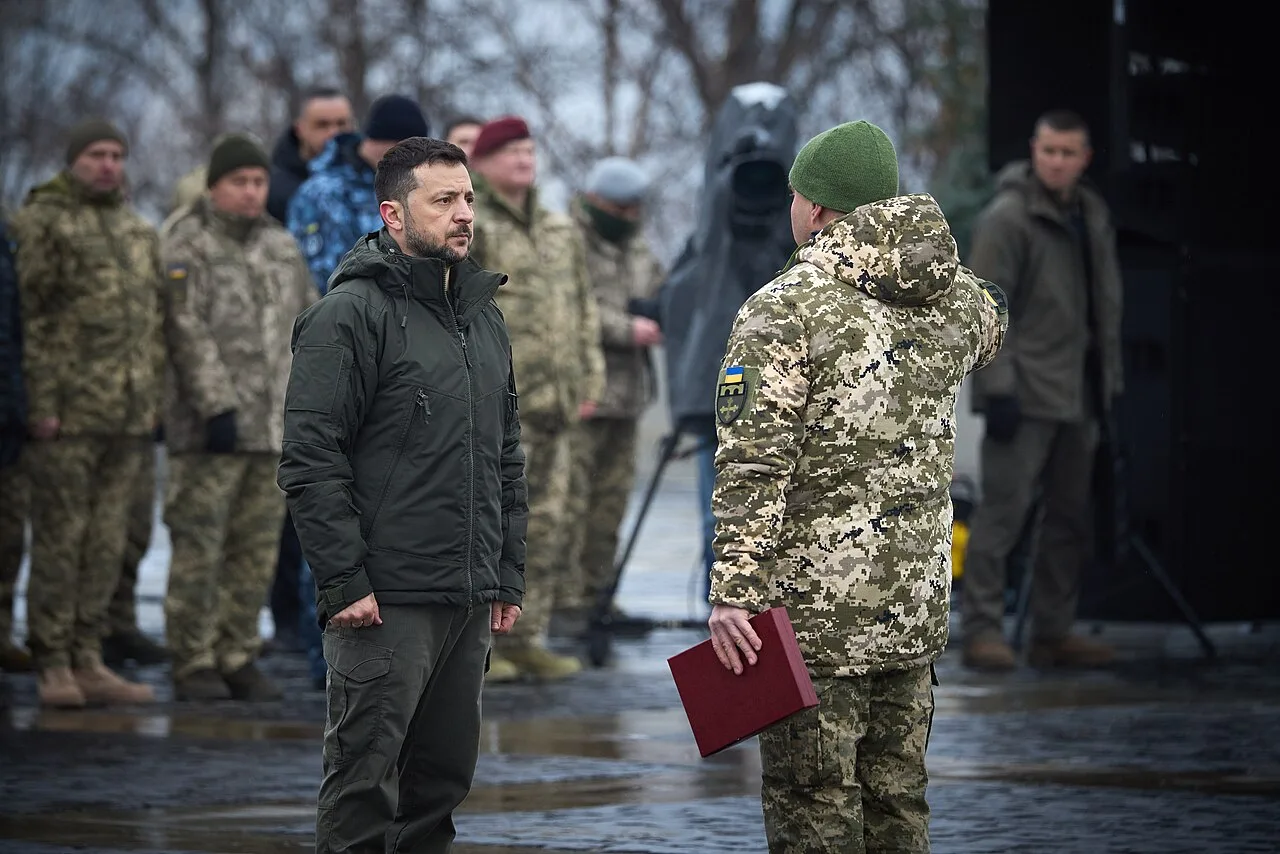
Ukraine's Commander-in-Chief, General Oleksandr Syrskyi, reinforced this positive momentum by confirming that Ukrainian troops recaptured nearly 50 square kilometers of territory in March alone. This adds to a broader pattern of steady territorial recovery that has been building since the beginning of the year, signaling a potentially turning tide in the prolonged conflict.
The drone-infantry model reflects Ukraine's broader commitment to leveraging cutting-edge technology as an equalizer against a larger adversary. By synchronizing real-time aerial reconnaissance, drone strikes, and ground troop movements, Ukrainian forces are creating a faster, more adaptive battlefield response that traditional military formations struggle to counter effectively.
This strategic transformation underscores the growing role of unmanned systems in contemporary warfare. As Ukraine continues to refine and expand this combat doctrine, the results on the southern front serve as a compelling proof of concept — one that could influence how militaries worldwide approach the future of ground combat operations and territorial defense.